Distributors operating in the pet supply sector face a critical challenge when sourcing bulk pet cages: how to verify product quality before committing to large-order purchases that can lock up capital and define their market reputation. The decision to place a bulk order for pet cages involves substantial financial risk, inventory commitment, and direct impact on customer satisfaction. Unlike consumer purchases where individual buyers can afford trial-and-error, distributors must establish rigorous evaluation protocols that confirm structural integrity, material safety, manufacturing consistency, and compliance standards before signing purchase agreements. This article provides a comprehensive framework specifically designed for distributors to systematically assess quality indicators across multiple dimensions, enabling confident bulk purchasing decisions that protect margin, minimize returns, and build long-term supplier relationships based on verified performance rather than marketing claims.
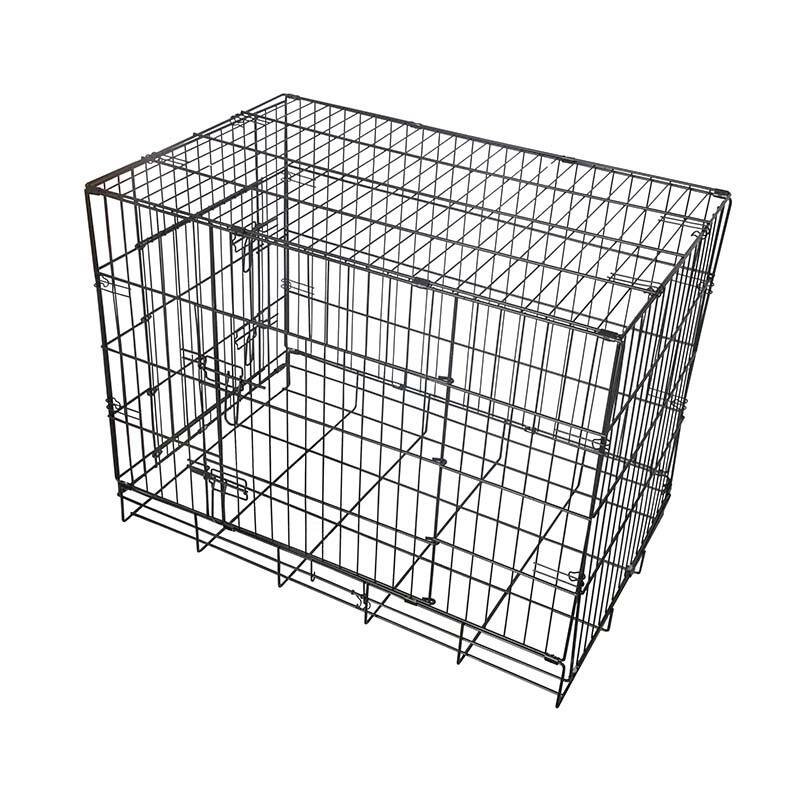
The wholesale pet cage market presents unique evaluation complexities because quality variations often remain invisible during initial supplier interactions, emerging only after products reach end customers through wear patterns, structural failures, or safety incidents. Distributors who rely solely on supplier specifications, promotional samples, or price comparisons frequently encounter costly surprises including excessive return rates, warranty claims, and damaged reputation among retail partners. Effective quality evaluation before bulk orders requires a systematic approach that examines manufacturing processes, material composition, structural engineering, safety certifications, and real-world performance indicators through both documentary verification and physical inspection protocols. Understanding how to structure these evaluations specifically for pet cages enables distributors to differentiate between suppliers offering genuine quality and those presenting attractive pricing built on compromised standards.
Material quality forms the foundation of pet cage performance, yet distributors often struggle to verify actual composition versus supplier claims without specialized knowledge. High-quality pet cages typically utilize powder-coated steel wire with specific gauge thickness, corrosion-resistant treatments, and non-toxic coating formulations that withstand repeated cleaning, animal contact, and environmental exposure. Distributors should request detailed material specifications including wire gauge measurements, coating thickness data, corrosion resistance test results, and chemical composition certificates for all finishes and treatments. The difference between 3mm and 4mm wire gauge significantly impacts cage longevity and safety, particularly for larger or more active animals, yet this distinction remains invisible in product photography or promotional materials.
Evaluating material quality requires distributors to examine sample units under stress conditions that simulate years of typical use compressed into accelerated testing scenarios. Request samples that you can subject to weight stress testing, coating adhesion evaluation using tape tests, and corrosion exposure through salt spray simulation or harsh cleaning chemical application. Quality pet cages maintain structural integrity without wire bending, coating flaking, or joint weakening after such testing, while inferior products reveal weaknesses that would translate to field failures and customer complaints. Documentation should include material source certification, particularly for components like plastic trays, door latches, and connector hardware where food-grade or pet-safe material standards apply.
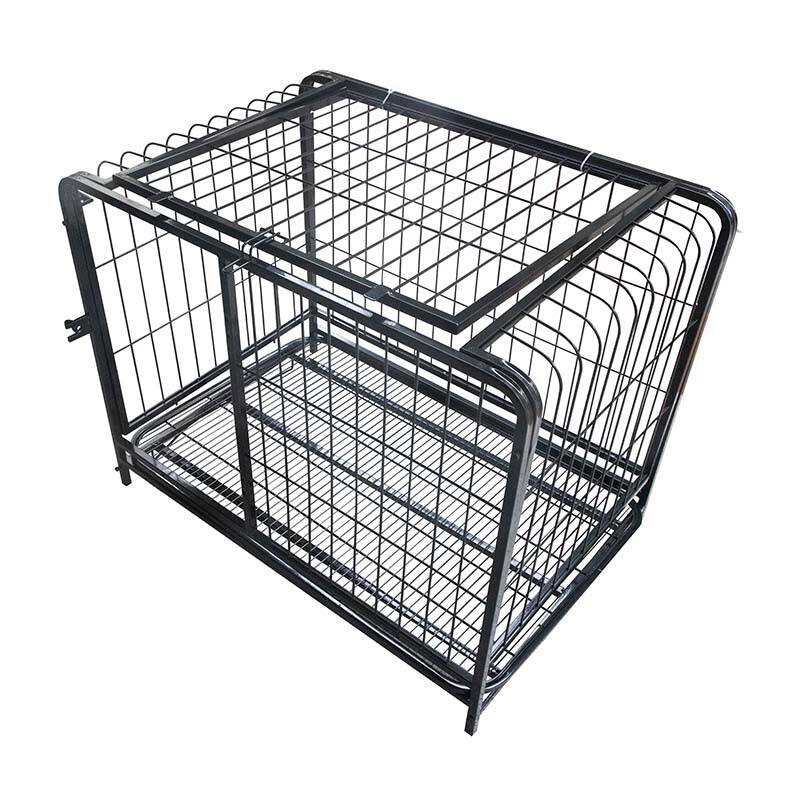
The structural design of pet cages directly determines safety performance, yet many distributors overlook engineering evaluation in favor of visual assessment. Quality pet cages incorporate reinforced corner joints, properly spaced wire grids that prevent limb entrapment, door mechanisms with multiple locking points, and frame designs that distribute weight stress across multiple structural members. Distributors should examine technical drawings that reveal weld point locations, joint reinforcement methods, and stress distribution calculations for stated weight capacities. A cage claiming to accommodate animals up to 50kg should demonstrate engineering documentation supporting that specification rather than arbitrary marketing claims.
Physical evaluation of structural quality involves stress testing sample units beyond normal use parameters to identify failure points and safety margins. Apply vertical loads exceeding stated capacity to test frame integrity, subject doors to repeated open-close cycles measuring latch wear and alignment stability, and examine joint welds under magnification for consistent penetration and finish quality. Quality pet cages maintain geometric accuracy without frame twisting, door misalignment, or joint separation even under abuse conditions, indicating manufacturing precision and design robustness that translates to reliable field performance. Distributors should specifically test for sharp edges, protruding weld points, or wire end treatments that could injure animals, as these safety defects generate liability concerns beyond simple product replacement costs.
Surface treatments on pet cages serve both aesthetic and functional purposes, yet quality variations in coating application directly impact product safety and longevity. Premium pet cages utilize electrostatic powder coating applied in controlled environments with proper surface preparation, achieving uniform coverage, excellent adhesion, and non-toxic cured finishes that resist chipping and flaking. Distributors must verify that coating formulations meet safety standards for animal contact, particularly regarding heavy metal content, volatile organic compounds, and leaching potential under acidic conditions created by animal urine. Request test reports confirming compliance with relevant safety standards such as ASTM F963 for toy safety or equivalent pet product standards applicable in your target markets.
Evaluating coating quality requires both documentary verification and physical assessment of sample units. Examine surfaces under strong lighting for coating uniformity, checking for thin spots, drips, or uncoated areas particularly at weld points and corners where coating application proves most challenging. Perform adhesion testing using cross-hatch cutting and tape pull methods to verify coating bond strength, and conduct flexibility testing by bending wire sections to check for coating cracking or delamination. Quality coatings on pet cages withstand significant flexing without visible damage, while inferior treatments crack, chip, or separate from base metal under minimal stress. Chemical resistance testing using common cleaning agents, acidic solutions simulating urine exposure, and alkaline detergents reveals coating durability under realistic use conditions that sample appearance alone cannot predict.
Direct factory inspection provides distributors with irreplaceable insights into manufacturing capabilities, quality control systems, and process consistency that determine whether suppliers can deliver uniform quality across bulk orders. A comprehensive factory audit for pet cages should examine production equipment condition and calibration status, raw material storage and handling procedures, welding and coating application processes, assembly line organization, and quality inspection protocols implemented at each production stage. Distributors should specifically assess whether manufacturing processes rely on automated equipment with programmed consistency or manual operations susceptible to worker skill variations and attention lapses that create quality inconsistency across production batches.
During factory visits, observe actual production runs rather than staged demonstrations, examining work-in-progress units at various completion stages to identify quality control checkpoints and defect identification procedures. Quality manufacturers implement in-process inspection at critical stages including post-welding examination, pre-coating surface preparation verification, post-coating cure inspection, and final assembly review before packaging. Request to see reject units and scrap materials to understand what defects the factory identifies and removes from production flow, as this reveals both quality standards and inspection effectiveness. Distributors should document findings with photographs and detailed notes, creating comparison baselines when evaluating multiple potential suppliers for pet cages orders.
Suppliers maintaining formal quality management systems demonstrate organizational commitment to consistent production standards beyond individual product batches. Distributors should request evidence of ISO 9001 certification or equivalent quality system standards, examining actual certificates for current validity, scope coverage that includes pet cage production, and certification body credibility. Beyond certificates themselves, review quality manuals, process control procedures, and inspection protocols that translate quality system requirements into daily manufacturing practices. The presence of documented procedures for incoming material inspection, process parameter monitoring, final product testing, and corrective action management indicates systematic quality control rather than reactive problem-solving.
Quality documentation review should extend to specific records demonstrating system implementation rather than theoretical procedures. Request production batch records showing actual inspection results, material test certificates from recent production runs, calibration records for measuring equipment, and corrective action reports documenting how the supplier addressed previous quality issues. Suppliers producing quality pet cages maintain traceability systems linking finished products back through production records to raw material sources, enabling rapid issue identification and resolution if field problems emerge. Distributors should verify that record-keeping systems provide sufficient detail to support warranty claim investigation and quality trend analysis across multiple production batches.
Independent laboratory testing provides objective quality verification beyond supplier self-certification, particularly for safety-critical aspects of pet cages including material toxicity, structural strength, and coating durability. Distributors should require current test reports from accredited laboratories confirming compliance with relevant standards for your target markets, which may include consumer product safety standards, material safety specifications, and performance requirements specific to pet containment products. Verify that test reports correspond to actual production units rather than prototype samples, checking report dates against claimed production timelines and confirming that testing scope covers all critical quality parameters rather than selective characteristics.
Independent verification becomes particularly important when evaluating new suppliers or products claiming novel features or materials. Consider commissioning your own laboratory testing of sample units obtained directly from production rather than supplier-selected samples, eliminating potential cherry-picking of superior units for evaluation purposes. Testing protocols should address structural strength through load testing and impact resistance evaluation, material safety through heavy metal screening and toxicity assessment, coating performance through accelerated weathering and chemical resistance testing, and dimensional accuracy through precision measurement verification. The investment in independent testing for pet cages evaluation distributes across the entire bulk order value, representing a small percentage cost that mitigates the substantial risk of quality failures affecting thousands of units.
Sample evaluation effectiveness depends critically on obtaining units that accurately represent bulk production quality rather than specially prepared samples that exceed normal manufacturing standards. Distributors should specify sample selection procedures requiring random selection from regular production runs, ideally personally selecting units during factory visits or engaging third-party inspection services to prevent supplier manipulation of sample quality. Request multiple samples from different production batches to assess consistency, as single-sample evaluation cannot reveal batch-to-batch variations that emerge across bulk production volumes. Documentation should record sample source identification including production date, batch number, and selection methodology to establish traceability and enable correlation with bulk order quality if discrepancies emerge.
Comprehensive sample documentation extends beyond physical units to include complete specifications, assembly instructions, packaging examples, and all materials that would accompany bulk shipments. This documentation enables distributors to evaluate not only product quality but also customer-facing elements that affect retail presentation and end-user satisfaction. Photograph samples from multiple angles under consistent lighting, recording measurements of critical dimensions, wire spacing, door clearances, and other specifications that enable comparison against stated tolerances. Retain samples throughout the evaluation period and after bulk order placement to serve as reference standards for incoming shipment inspection and quality dispute resolution if production quality deviates from evaluated samples.
Laboratory measurements provide important data, but realistic use simulation reveals quality characteristics that emerge only through actual application conditions. Distributors should subject sample pet cages to extended testing protocols that simulate customer use patterns including repeated assembly and disassembly cycles, door operation under various load conditions, cleaning with common products and methods, and exposure to temperature variations and humidity levels typical of actual use environments. Document cage performance throughout testing, recording any coating damage, structural deformation, hardware wear, or functional degradation that develops over the testing period. Quality pet cages maintain appearance and functionality throughout rigorous testing, while inferior products reveal progressive deterioration that predicts field failure rates.
Consider implementing user testing protocols where sample pet cages undergo evaluation by typical end users including pet owners, kennel operators, or veterinary facilities who provide feedback on practical performance aspects that technical testing may overlook. User evaluations reveal important quality dimensions including ease of assembly, cleaning convenience, door operation smoothness, animal comfort factors, and overall design suitability for intended applications. Structured feedback collection through standardized evaluation forms enables comparison across multiple supplier samples, identifying quality differences that affect user satisfaction beyond basic structural or safety specifications. This user-centered evaluation approach helps distributors anticipate market reception and customer support requirements before committing to bulk orders.
When evaluating pet cages from multiple potential suppliers, structured comparison frameworks prevent subjective bias and ensure consistent evaluation criteria application across all candidates. Develop scoring matrices that assign weighted importance to various quality dimensions based on your market requirements, customer priorities, and competitive positioning strategy. Evaluation criteria should address structural quality, material specifications, safety compliance, functional performance, aesthetic finish, packaging quality, documentation completeness, and cost-value relationship. Numerical scoring enables objective comparison while notes sections capture qualitative observations that inform final selection decisions beyond simple score totals.
Comparative evaluation should specifically examine quality consistency across sample units from each supplier, as variations between samples indicate manufacturing control limitations that will magnify across bulk production volumes. Measure critical dimensions on all samples, recording variations that reveal manufacturing precision levels. Compare coating uniformity, weld quality, and assembly accuracy across multiple units to assess process capability and quality system effectiveness. Suppliers demonstrating tight tolerances and minimal sample-to-sample variation provide greater confidence for bulk orders than those showing inconsistent quality even if their best samples match competitor standards. This consistency analysis proves particularly important for distributors planning ongoing supply relationships rather than single bulk purchases.
Different markets impose varying regulatory requirements on pet cages related to material safety, structural integrity, and manufacturing quality, making compliance verification essential before bulk orders destined for specific regions. Distributors must identify all applicable standards for their target markets, which may include consumer product safety regulations, animal welfare requirements, environmental restrictions on materials and coatings, and import regulations governing product markings and documentation. In the United States, pet cages may fall under Consumer Product Safety Commission oversight depending on intended use and marketing claims, while European markets require compliance with REACH regulations governing chemical substances and potentially EN standards for animal housing equipment.
Regulatory research should extend beyond product specifications to encompass labeling requirements, instruction manual content standards, warning label obligations, and import documentation that must accompany shipments. Non-compliance discovered after bulk order placement creates serious complications including customs detention, mandatory product recalls, or market entry prohibition that can render entire shipments unsalable in target markets. Work with regulatory consultants or legal advisors familiar with pet product requirements in your specific markets to ensure comprehensive compliance verification before committing to suppliers. Request that suppliers provide detailed compliance documentation including test reports, material declarations, and regulatory certificates corresponding to all applicable standards rather than generic quality claims.
Pet cage safety extends beyond regulatory compliance to encompass design features that prevent animal injury, escape, or stress during containment. Distributors should evaluate safety characteristics including wire spacing appropriate for target animal sizes, door latch security that prevents accidental opening, absence of sharp edges or protruding elements that could cause injury, and structural stability that prevents cage tipping or collapse under normal use conditions. Safety verification requires both design examination identifying potential hazards and physical testing confirming that safety features function effectively under stress conditions and user error scenarios.
Specific safety testing protocols for pet cages should address common failure modes reported in incident databases and customer complaints. Test door latches for resistance to animal manipulation, applying forces and methods that pets might use attempting escape. Examine wire grid patterns under magnification to verify that spacing prevents head or limb entrapment for smallest target animals. Conduct tip-over testing by applying lateral forces simulating jumping or climbing animals to verify base stability. Inspect for sharp edges using tactile examination and edge radius measurement tools, particularly at cut wire ends, door edges, and hardware mounting points. Safety defects identified during evaluation predict liability exposure and customer satisfaction issues that far exceed the direct cost of product returns or replacements.
Comprehensive documentation systems enable distributors to maintain quality verification records, support warranty claims, and demonstrate due diligence if product liability issues emerge. Require suppliers to provide detailed product specifications including materials lists with source information, manufacturing process descriptions, quality control procedures, and test reports documenting compliance with relevant standards. This documentation should accompany sample shipments and be updated for bulk orders, confirming that production units match evaluated samples. Traceability systems linking finished pet cages to production batches and raw material lots enable rapid issue identification and targeted corrective action if quality problems emerge in field use.
Distributors should establish their own documentation systems recording supplier evaluation results, sample test data, compliance verification evidence, and approval decisions that justify bulk order placement. Maintain photographic records, measurement data, test reports, and evaluation notes in organized files that enable future reference during quality disputes or when evaluating the same supplier for additional orders. This documentation protects distributor interests by demonstrating reasonable quality verification efforts while providing factual basis for performance discussions with suppliers if bulk shipment quality deviates from evaluated samples. Regular documentation review and update maintains current knowledge of supplier capabilities and quality trends across multiple order cycles.
Even thorough pre-order evaluation cannot eliminate all quality risk when placing bulk pet cages orders with new suppliers or unfamiliar product lines. Distributors should implement progressive volume strategies that begin with smaller trial orders enabling full-scale quality verification before committing to larger volumes. Initial orders at 10-20% of planned bulk volume allow comprehensive incoming inspection, field testing through limited market introduction, and customer feedback collection that validates supplier quality claims under actual market conditions. Progressive ordering distributes risk across multiple transactions while demonstrating purchasing commitment that incentivizes supplier performance and relationship development.
Trial order performance provides invaluable data for bulk order decision-making beyond what sample evaluation reveals. Document all quality issues encountered during trial order receipt, inspection, market introduction, and customer use, analyzing patterns that indicate systematic quality limitations versus isolated incidents. Positive trial order results build confidence for volume increases, while problems identified during trial phases enable corrective action requirements or supplier changes before substantial capital commitment. Structure trial order agreements to include clear performance criteria that must be satisfied before bulk order placement, creating objective decision frameworks that remove emotional or relationship pressure from quality-based sourcing decisions.
Purchase agreements for bulk pet cages orders should incorporate specific quality protections that define acceptance criteria, inspection procedures, defect rate tolerances, and remedies for quality failures. Detailed specifications attached to purchase orders establish objective quality standards against which incoming shipments can be evaluated, eliminating ambiguity about whether products meet requirements. Specifications should reference evaluated samples, test reports, and compliance certificates that define the quality baseline for bulk production. Include provisions for pre-shipment inspection by distributor representatives or third-party inspection services, with payment release conditional on passing inspection results.
Quality protection clauses should address realistic scenarios including minor defect rates that fall within acceptable quality limits versus major defects requiring shipment rejection or significant defect rates triggering price adjustments or order cancellation. Define sampling plans for incoming inspection based on statistical quality control principles that balance inspection cost against risk tolerance. Establish clear procedures for defect notification, supplier response timeframes, and resolution processes including product replacement, credit issuance, or price adjustment. Include warranty provisions covering reasonable periods after delivery during which latent defects may emerge, allocating responsibility for field failures and customer returns. These contractual protections create accountability frameworks that incentivize supplier quality performance while providing recourse mechanisms if quality problems occur.
Incoming inspection protocols translate quality specifications into operational procedures that verify bulk shipment quality before accepting delivery and releasing payment. Distributors should develop standardized inspection procedures for pet cages that trained personnel can execute consistently, examining representative samples according to statistical sampling plans appropriate for shipment sizes and quality risk levels. Inspection procedures should address all critical quality characteristics including dimensional accuracy, structural integrity, coating quality, hardware functionality, and packaging condition. Document inspection results on standardized forms that record measurements, defect counts by category, sample sizes, and pass-fail determinations based on predetermined acceptance criteria.
Inspection findings guide acceptance decisions ranging from full approval through conditional acceptance with price adjustment to complete rejection requiring return or rework. Establish clear decision rules defining actions for various defect scenarios, removing subjective judgment from quality acceptance decisions. Communicate inspection results to suppliers promptly with detailed defect documentation enabling corrective action implementation. Retain inspection records and defect samples as evidence supporting quality decisions and guiding future supplier selection. Systematic inspection procedures protect distributor interests while providing suppliers with clear quality feedback that supports continuous improvement and relationship development based on objective performance data rather than subjective impressions.
Distributors should conduct structural load testing by applying forces exceeding stated weight capacities to verify frame strength and joint integrity, coating adhesion testing using cross-hatch cutting and tape pull methods to assess finish durability, corrosion resistance evaluation through salt spray exposure or cleaning chemical application, door operation cycling to test latch wear and alignment stability, dimensional measurement of critical specifications including wire spacing and overall dimensions, sharp edge inspection using tactile examination and profilometry, and material safety verification through laboratory testing for heavy metals and toxic substances. Functional testing should simulate realistic use conditions including repeated assembly, exposure to temperature variations, and cleaning with common products. Comparative testing across multiple supplier samples enables objective quality ranking based on measured performance rather than marketing claims or visual assessment alone.
Distributors can implement several verification strategies including factory audits examining manufacturing processes and quality control systems that determine consistency capability, requiring samples selected randomly from regular production rather than supplier-chosen units, requesting multiple samples from different production batches to assess variation patterns, establishing progressive order volumes starting with trial shipments that undergo full inspection before bulk commitments, specifying pre-shipment inspection by distributor representatives or third-party services before final payment release, and implementing contractual provisions defining quality standards with reference to evaluated samples and requiring corrective action if deviations occur. Documentation systems maintaining detailed records of sample specifications, test results, and approval criteria enable objective comparison when bulk shipments arrive. Suppliers demonstrating formal quality management systems, statistical process control implementation, and comprehensive traceability provide greater confidence that sample quality represents typical production rather than exceptional units.
Price should be evaluated as one factor within comprehensive value assessment rather than the primary selection criterion for bulk pet cage orders. Extremely low pricing typically indicates compromised quality through inferior materials, simplified manufacturing processes, reduced quality control, or minimal safety compliance, creating risks of high defect rates, customer returns, and reputation damage that exceed initial cost savings. Distributors should establish minimum acceptable quality standards based on safety requirements, regulatory compliance, and market expectations, then evaluate price among suppliers meeting those quality thresholds. Price comparison should account for total cost of ownership including defect rates, warranty costs, return handling, and customer satisfaction impact rather than simply unit purchase price. Quality evaluation may justify premium pricing for suppliers demonstrating superior materials, robust manufacturing processes, comprehensive testing, and proven reliability records. Value-based evaluation frameworks that score both quality performance and cost enable objective supplier selection balancing initial investment against long-term business risk and customer satisfaction impact.
Distributors should conduct formal quality re-evaluation at regular intervals even with established suppliers, typically annually as a minimum for high-volume relationships or whenever significant changes occur in manufacturing processes, facility locations, ownership, or key personnel. Ongoing monitoring between formal evaluations should track quality metrics including defect rates in incoming shipments, customer return rates, warranty claim frequency, and compliance test results that indicate quality trends requiring attention. Factory visits should occur periodically to verify continued adherence to quality systems and manufacturing standards, particularly before significantly increasing order volumes or introducing new product variations. Any quality incidents triggering customer complaints, safety concerns, or regulatory issues should prompt immediate investigation and potential re-evaluation regardless of scheduled review timing. Continuous supplier relationship management incorporating regular quality performance review and improvement discussion maintains quality standards while enabling early identification of emerging issues before they affect large shipment volumes or customer satisfaction.
 Hot News
Copyright © 2026 Top Trust Biotechnology Co., Ltd All Rights Reserved Privacy policy
 EN
EN
 AR
AR
 FR
FR
 PT
PT
 ES
ES
 VI
VI
 BG
BG
 HR
HR
 CS
CS
 DA
DA
 NL
NL
 FI
FI
 DE
DE
 EL
EL
 HI
HI
 IT
IT
 JA
JA
 KO
KO
 NO
NO
 PL
PL
 RO
RO
 RU
RU
 SV
SV
 TL
TL
 IW
IW
 SK
SK
 SL
SL
 ET
ET
 HU
HU
 TH
TH
 TR
TR
 MS
MS
 IS
IS
 KA
KA
 BN
BN
 LA
LA
 MN
MN
 NE
NE
 UZ
UZ