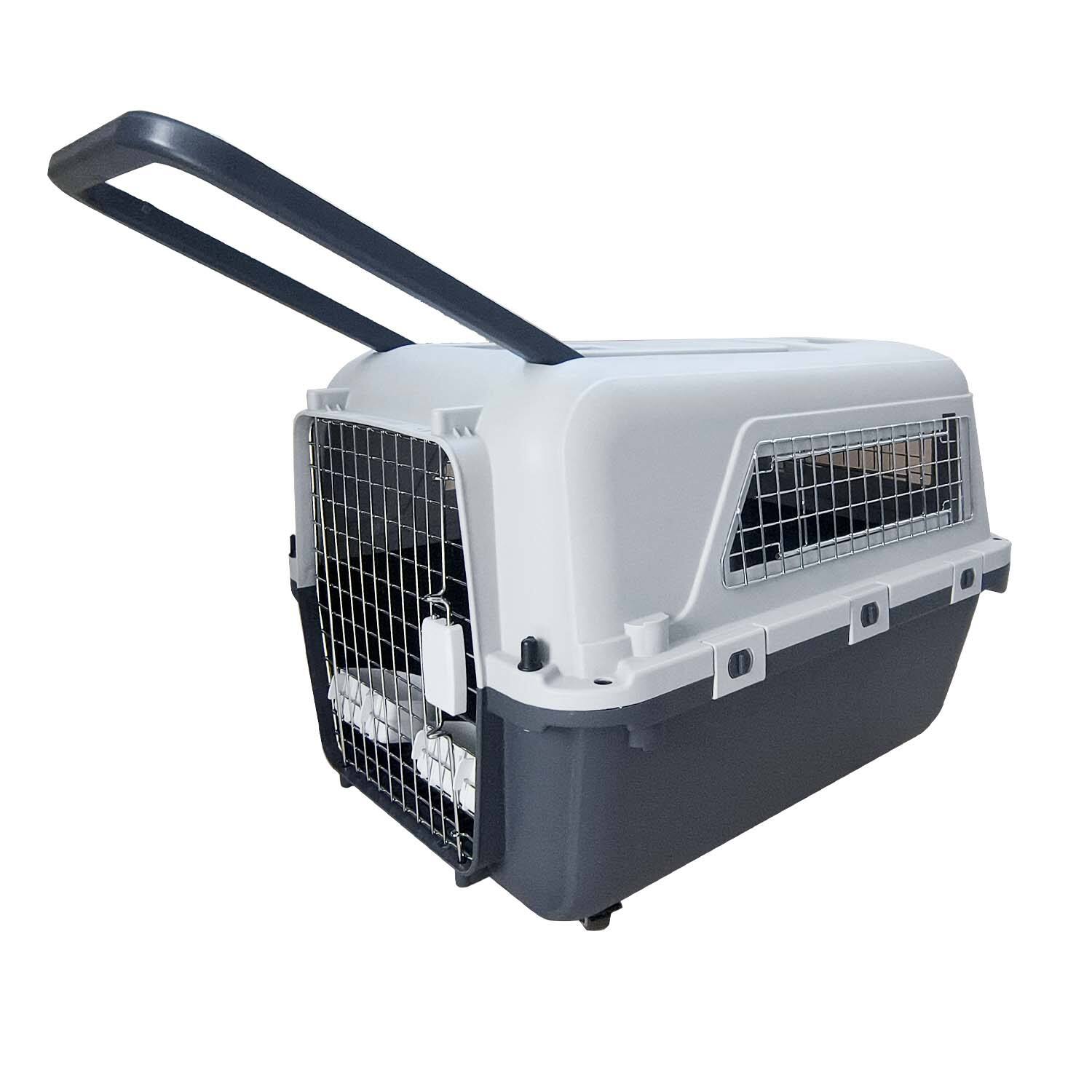
In the competitive landscape of the pet product industry, importers seeking to establish or expand their brands face critical decisions about manufacturing partnerships and product sourcing strategies. Among the various procurement models available, ODM pet cages have emerged as a strategic choice for businesses aiming to scale efficiently while maintaining brand differentiation. This preference reflects a sophisticated understanding of supply chain economics, product development capabilities, and market positioning challenges that define successful brand expansion in the pet accessories sector.
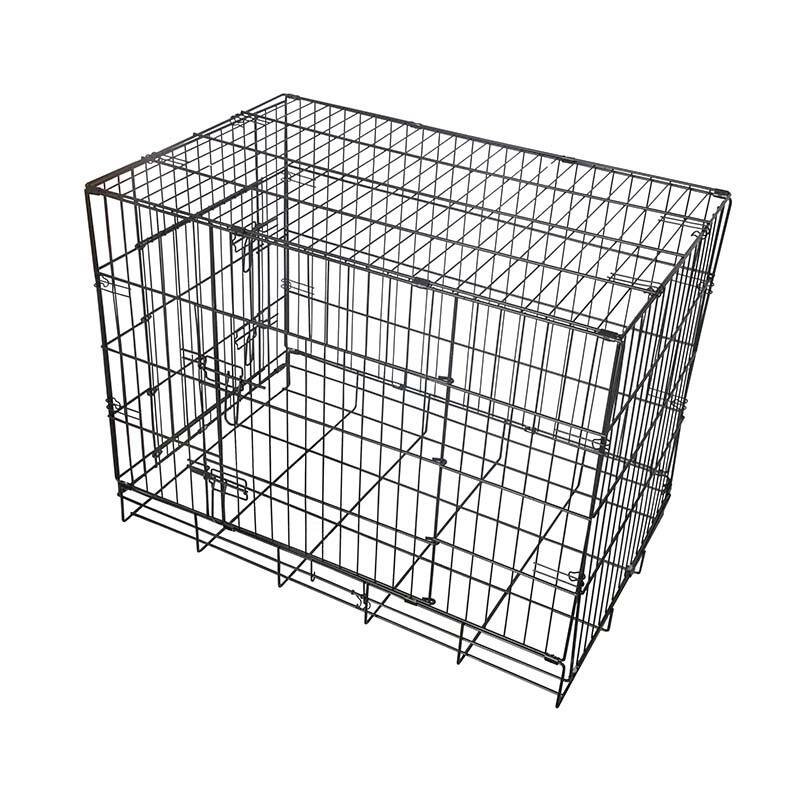
The fundamental appeal of ODM pet cages lies in their ability to accelerate market entry while reducing the substantial investment typically required for product development infrastructure. Original Design Manufacturer partnerships provide importers with access to proven designs, established manufacturing processes, and quality control systems that have already been tested across multiple production cycles. This operational advantage translates directly into reduced time-to-market intervals and lower financial risk during brand expansion phases, making ODM arrangements particularly attractive for businesses navigating competitive regional markets or attempting to diversify their product portfolios.
The financial calculus behind choosing ODM pet cages begins with a significant reduction in capital expenditure requirements. Developing proprietary pet cage designs from scratch demands substantial investment in engineering teams, prototyping facilities, material testing laboratories, and compliance verification processes. These upfront costs can easily exceed hundreds of thousands of dollars before a single unit reaches commercial production. By contrast, ODM partnerships allow importers to leverage manufacturers' existing design portfolios and production infrastructure, converting what would be major capital expenses into manageable per-unit manufacturing costs.
This financial structure proves especially beneficial for importers operating within constrained budgets or those testing new market segments where demand validation remains uncertain. The ability to order ODM pet cages in moderate quantities without bearing full product development costs enables more flexible market entry strategies and reduces the financial consequences of misjudged market timing or consumer preference shifts. Furthermore, this approach preserves working capital that importers can redirect toward marketing initiatives, distribution network development, or inventory management systems that directly support brand expansion objectives.
Manufacturers specializing in ODM pet cages typically serve multiple clients with variations of similar base designs, creating production efficiencies that individual importers could never achieve independently. This multi-client model allows factories to maintain steady production schedules, optimize material purchasing through bulk procurement, and refine manufacturing processes across thousands of units rather than hundreds. These operational advantages translate into unit cost reductions that manufacturers can partially pass to importing partners, improving competitive pricing potential in target markets.
The procurement benefits extend beyond direct manufacturing costs to encompass logistics optimization, quality assurance systems, and supply chain risk management. Established ODM manufacturers maintain relationships with raw material suppliers, component vendors, and shipping partners that have been cultivated over years of consistent volume. Importers accessing ODM pet cages benefit indirectly from these established networks, gaining preferential treatment on lead times, payment terms, and minimum order quantities that would be unavailable to smaller independent buyers attempting to coordinate production independently.
Product failure represents one of the most expensive outcomes in brand expansion initiatives, particularly when defects emerge after substantial inventory investment or market introduction. ODM pet cages offer inherent risk reduction because their designs have already undergone multiple production cycles, real-world usage validation, and iterative improvement based on customer feedback from previous implementations. This design maturity significantly reduces the probability of structural failures, material incompatibilities, or functional shortcomings that could damage brand reputation during critical growth phases.
The validation advantage extends to regulatory compliance and safety certification processes, which vary considerably across import destinations. Experienced ODM manufacturers maintain documentation libraries, testing protocols, and certification relationships that streamline the compliance verification process for new importing partners. Rather than navigating complex regulatory frameworks independently, importers can access established certification pathways for ODM pet cages, reducing both the timeline and cost associated with meeting safety standards in European, North American, or Asian Pacific markets.
In fast-moving consumer goods categories like pet accessories, timing often determines market success as significantly as product quality or pricing strategy. Traditional product development cycles for proprietary pet cages can extend twelve to eighteen months from initial concept through production readiness, incorporating design iteration, prototype testing, tooling development, and pilot production phases. This extended timeline creates vulnerability to market trend shifts, competitive preemption, and opportunity cost from delayed revenue generation during brand expansion periods.
ODM pet cages dramatically compress this development timeline by offering pre-engineered solutions that require only customization rather than ground-up creation. Importers can typically progress from design selection through first production shipment in three to six months, capturing seasonal buying opportunities and responding more rapidly to emerging market demands. This temporal advantage proves particularly valuable when expanding into markets with distinct seasonal purchase patterns or when competing against established brands with loyal customer bases that require aggressive market positioning strategies.
Brand expansion inherently involves uncertainty about consumer preferences, price sensitivity, and feature prioritization in new geographic or demographic markets. The reduced investment burden associated with ODM pet cages enables importers to adopt more experimental approaches to market testing, launching multiple product variations simultaneously or conducting controlled regional trials before committing to larger inventory positions. This strategic flexibility transforms market entry from a binary success-or-failure proposition into a managed learning process with multiple decision points.
The ability to iterate quickly based on initial market feedback represents another temporal advantage of the ODM approach. When importers identify necessary modifications to size specifications, feature configurations, or material selections based on early customer responses, ODM manufacturers can often implement these changes within production cycles rather than requiring complete redesign initiatives. This responsiveness shortens the feedback-to-improvement loop, allowing brands to optimize their offerings more rapidly than competitors constrained by proprietary development processes.
Retail pet product markets demonstrate pronounced seasonal patterns driven by gift-giving occasions, weather transitions, and promotional calendar events. Successfully capitalizing on these demand spikes requires precise inventory positioning and product availability timing that becomes exponentially more difficult when development timelines remain unpredictable. The predictable delivery schedules associated with established ODM pet cages enable importers to coordinate product launches with specific retail events, marketing campaigns, or distribution partner commitments that maximize initial market impact.
This alignment capability extends beyond individual product launches to support comprehensive brand expansion strategies that coordinate multiple product introductions, geographic market entries, or distribution channel activations. Importers building integrated expansion plans can sequence ODM pet cage introductions with complementary product categories, creating cohesive brand experiences that strengthen market positioning more effectively than isolated product releases. The manufacturing predictability inherent in ODM relationships transforms expansion planning from reactive opportunism into proactive strategic execution.
While ODM pet cages begin with standardized base designs, sophisticated manufacturers offer extensive customization options that enable meaningful brand differentiation without sacrificing the core advantages of the ODM model. Surface treatments, powder coating color selections, finish textures, and decorative element applications allow importers to create visually distinctive products that align with established brand aesthetics or target specific consumer demographic preferences. These modifications require minimal additional tooling investment while delivering substantial perceived value differentiation in competitive retail environments.
The customization extends to packaging design, instruction material development, and accessory bundling strategies that reinforce brand identity throughout the customer experience. Importers can specify custom printing, branded hardware components, or proprietary accessory combinations that transform generic ODM pet cages into branded products that command premium positioning and support higher margin realization. This surface-level differentiation often proves sufficient for establishing market presence, particularly when combined with superior marketing execution or distribution advantages that competitors cannot easily replicate.
Beyond aesthetic customization, ODM manufacturers typically accommodate functional modifications that address specific market requirements or competitive positioning strategies. Dimension adjustments to accommodate regional pet size preferences, door configuration changes to suit different usage scenarios, or material specification alterations to meet distinct durability or weight requirements represent common modification categories that importers request. These functional customizations allow brands to address genuine market needs while maintaining the manufacturing efficiency advantages that make ODM pet cages economically viable.
The scope of feasible functional customization depends significantly on the manufacturer's engineering capabilities and production flexibility, making partner selection a critical strategic decision. Leading ODM suppliers maintain in-house design teams capable of evaluating modification requests, assessing production implications, and providing rapid feasibility assessments that enable importers to make informed decisions about customization investments. This collaborative engineering approach bridges the gap between pure white-label products and fully proprietary development, offering a middle path that balances differentiation objectives with economic constraints.
Importers seeking stronger differentiation can negotiate exclusive design arrangements with ODM manufacturers, securing territorial protection or complete design exclusivity for customized versions of standard pet cage platforms. These agreements typically require higher minimum order commitments or upfront design fees, but deliver meaningful competitive advantages by preventing direct product duplication by competing importers. Exclusive ODM pet cages occupy a strategic middle ground between commodity products and proprietary designs, offering controlled differentiation at intermediate investment levels.
The protection mechanisms available within ODM relationships vary considerably based on manufacturer policies, order volumes, and relationship maturity. Some suppliers offer regional exclusivity that prevents other importers in the same geographic market from accessing identical configurations, while others provide time-limited exclusivity windows that create temporary competitive advantages. Sophisticated importers structure these arrangements strategically, securing protection for core product lines while maintaining access to the manufacturer's evolving design catalog for future expansion initiatives. This balanced approach maximizes both immediate competitive advantage and long-term partnership value.
Manufacturing expertise represents a frequently underestimated advantage of sourcing ODM pet cages from experienced suppliers. Established manufacturers have invested years in refining production processes, training workforce teams, calibrating equipment parameters, and documenting quality control procedures that ensure consistent output across production runs. This accumulated manufacturing knowledge translates directly into lower defect rates, more predictable lead times, and higher overall product quality than importers could achieve by attempting to develop manufacturing relationships with inexperienced or untested suppliers.
The process control advantages extend throughout the manufacturing sequence, from raw material verification and component inspection through assembly operations, surface treatment applications, and final product auditing. Reputable ODM manufacturers implement multi-stage inspection protocols that identify defects early in production cycles, minimizing waste and ensuring that shipped products meet specified quality standards. Importers benefit from these systematic approaches without needing to develop quality management expertise internally or maintain permanent quality oversight personnel at manufacturing facilities.
The material integrity of pet cages directly impacts both product performance and safety compliance, making material sourcing a critical quality determinant. ODM manufacturers specializing in pet products maintain established relationships with material suppliers who understand specific requirements for corrosion resistance, coating durability, weldment strength, and chemical composition compliance. These relationships ensure consistent material quality across production batches and provide traceability documentation necessary for regulatory compliance verification in various import destinations.
Supply chain reliability represents an increasingly important consideration given recent global disruptions in material availability and shipping logistics. Established ODM pet cage manufacturers typically maintain diversified supplier networks and strategic material inventory positions that buffer against short-term supply disruptions. Importers partnering with these manufacturers gain indirect access to supply chain resilience capabilities that would require substantial investment and industry relationships to develop independently, protecting brand expansion timelines against unpredictable external disruptions.
Leading ODM manufacturers treat their design portfolios as living assets that undergo continuous refinement based on production learning, customer feedback, and evolving industry standards. This improvement orientation benefits importing partners through regular product enhancements that maintain competitive relevance without requiring additional development investment. Importers sourcing ODM pet cages from progressive manufacturers effectively access ongoing research and development capabilities that rival or exceed what they could afford to maintain internally, particularly during early brand expansion phases when resource allocation remains constrained.
The collaborative relationship between importers and ODM manufacturers can extend beyond simple buyer-supplier transactions into genuine partnerships where market feedback from distribution channels informs manufacturing improvements. Sophisticated importers systematically channel customer complaints, warranty claims, and feature requests back to manufacturing partners, creating feedback loops that drive product evolution. This collaborative improvement process transforms ODM pet cages from static commodity products into dynamic offerings that evolve with market demands while maintaining manufacturing efficiency advantages.
Successful brand expansion creates demand growth that can quickly overwhelm manufacturing capabilities if production partnerships lack inherent scalability. ODM manufacturers serving multiple clients maintain production capacity reserves and workforce flexibility that accommodate substantial volume increases without requiring capital investment from importing partners. This scalability proves essential during market breakthrough moments when demand acceleration outpaces initial forecasts, allowing brands to capitalize on growth opportunities rather than losing sales to inventory shortages or extended lead times.
The production flexibility extends to accommodating order pattern variations, seasonal demand fluctuations, and promotional event requirements that characterize retail pet product markets. Importers can adjust order quantities, modify delivery schedules, or request expedited production runs with far greater flexibility than would be possible if they controlled manufacturing assets directly. This operational agility transforms production capacity from a constraint on growth into an enabler of opportunistic market response, supporting more aggressive expansion strategies than fixed manufacturing commitments would allow.
Brand expansion requires sustained focus on marketing effectiveness, distribution network development, customer service excellence, and market positioning refinement. Manufacturing management represents a significant operational distraction that diverts management attention and organizational resources away from these core brand-building activities. By delegating manufacturing responsibility to ODM partners specializing in pet cage production, importers can concentrate organizational capabilities on activities that directly drive brand value creation and market position strengthening.
This strategic focus advantage compounds over time as brands develop proprietary capabilities in market understanding, customer relationship management, and brand communication that become sustainable competitive advantages. Importers building distinctive brand identities around superior customer service, innovative marketing approaches, or exceptional retail partnerships create differentiation that proves more defensible than manufacturing-based advantages. ODM pet cages provide the product foundation supporting these brand strategies without requiring the operational complexity that manufacturing ownership entails.
Brand expansion initiatives inherently involve market risk, competitive uncertainty, and execution challenges that may not become fully apparent until significant resources have been committed. ODM manufacturing relationships provide strategic flexibility that proprietary manufacturing investments cannot match, allowing importers to adjust product strategies, shift market focus, or exit unsuccessful ventures without being constrained by sunk manufacturing capital or long-term facility commitments. This flexibility reduces the overall risk profile of expansion initiatives and enables more experimental approaches to market development.
The relationship structure also facilitates portfolio diversification strategies where importers test multiple product categories or market segments simultaneously without proportional increases in operational complexity. ODM pet cages can represent one element within broader product portfolios that include various pet accessories, supplies, or related categories, all sourced through similar partnership models. This diversified approach distributes market risk across multiple opportunities while maintaining operational simplicity that smaller importing organizations can manage effectively with limited internal resources.
Minimum order quantities for ODM pet cages vary significantly based on manufacturer scale, product complexity, and customization requirements, but typically range from 200 to 1000 units for initial orders. Standard designs with minimal customization generally require lower minimums, while exclusive designs or extensive modifications necessitate higher volume commitments to justify tooling investments and production setup costs. Importers should evaluate MOQ requirements in relation to their market entry strategies and inventory risk tolerance, recognizing that higher initial commitments often secure better unit pricing but increase financial exposure during market validation phases.
Successful brand differentiation with ODM pet cages relies on comprehensive strategies extending beyond product features alone. Importers typically combine surface customization, packaging design, accessory bundling, and marketing positioning to create distinctive brand experiences around structurally similar products. Additionally, negotiating territorial exclusivity arrangements, securing custom color or finish combinations, or developing proprietary accessory systems that integrate with standard ODM platforms can create meaningful differentiation. The most sustainable protection comes from building brand equity through customer service excellence, marketing effectiveness, and distribution relationships that competitors cannot easily replicate, using ODM products as foundations rather than complete brand expressions.
Comprehensive quality assurance for ODM pet cages should include pre-production sample approval, in-process inspection protocols, and final shipment auditing procedures. Importers should establish detailed product specifications covering dimensions, material composition, finish quality, functional performance, and packaging standards, then verify compliance through third-party inspection services or direct factory audits. Implementing structured feedback systems that track defect rates, warranty claims, and customer complaints enables continuous quality improvement and provides documentation supporting supplier performance evaluation. Maintaining clear quality standards contractually and conducting periodic factory capability assessments ensures sustained manufacturing consistency as production volumes scale during brand expansion.
The timeline from design selection through first shipment delivery typically spans three to six months for ODM pet cages, depending on customization complexity, manufacturer production schedules, and shipping logistics. Standard designs requiring only color or minor specification changes may achieve faster turnaround, potentially reaching two to three months under optimal conditions. Extensive customizations requiring new tooling, prototype approval cycles, or regulatory testing can extend timelines to six months or longer. Importers should account for additional time requirements for customs clearance, distribution center processing, and retail network distribution when planning market introduction timing. Establishing realistic timeline expectations and building appropriate buffers into expansion plans prevents missed seasonal opportunities or promotional commitments that could undermine market entry effectiveness.
 Hot News
Copyright © 2026 Top Trust Biotechnology Co., Ltd All Rights Reserved Privacy policy
 EN
EN
 AR
AR
 FR
FR
 PT
PT
 ES
ES
 VI
VI
 BG
BG
 HR
HR
 CS
CS
 DA
DA
 NL
NL
 FI
FI
 DE
DE
 EL
EL
 HI
HI
 IT
IT
 JA
JA
 KO
KO
 NO
NO
 PL
PL
 RO
RO
 RU
RU
 SV
SV
 TL
TL
 IW
IW
 SK
SK
 SL
SL
 ET
ET
 HU
HU
 TH
TH
 TR
TR
 MS
MS
 IS
IS
 KA
KA
 BN
BN
 LA
LA
 MN
MN
 NE
NE
 UZ
UZ