Bulk purchasing has become an increasingly strategic approach for businesses across industries, from hospitality and retail to healthcare and manufacturing. When organizations decide to invest in storage holders at scale, the selection process becomes more complex than individual consumer purchases. The key lies in understanding which storage holders deliver the best combination of durability, functionality, and cost-effectiveness when ordered in large quantities. This comprehensive analysis will guide procurement managers and bulk buyers through the essential considerations for selecting storage holders that maximize operational efficiency while minimizing long-term costs.
Bulk purchasing storage holders offers significant economic advantages that extend beyond simple unit cost reductions. Volume discounts typically range from 15% to 40% depending on the manufacturer and order size, creating substantial savings for organizations with multiple locations or large facility requirements. These storage holders provide consistent quality standards across entire operations, ensuring uniform functionality and appearance throughout different departments or sites.
The economies of scale principle applies directly to storage holders procurement, where increased quantities lead to reduced per-unit manufacturing costs that suppliers often pass along to bulk buyers. Additionally, consolidated shipping reduces transportation expenses and simplifies logistics coordination. Many suppliers offer extended warranty terms and priority customer service for bulk storage holders orders, adding value beyond the initial purchase price.
Standardizing storage holders across an organization streamlines maintenance procedures, replacement part inventory, and staff training requirements. When employees work with identical storage holders systems, they develop expertise more quickly and can transfer skills seamlessly between locations. This consistency reduces operational complexity and minimizes the learning curve associated with different storage solutions.
Uniform storage holders also facilitate better inventory management and space planning. Facilities managers can develop standardized layouts and procedures that work across multiple locations, reducing design time and implementation costs. The predictability of standardized storage holders enables more accurate capacity planning and helps organizations respond more effectively to changing storage needs.
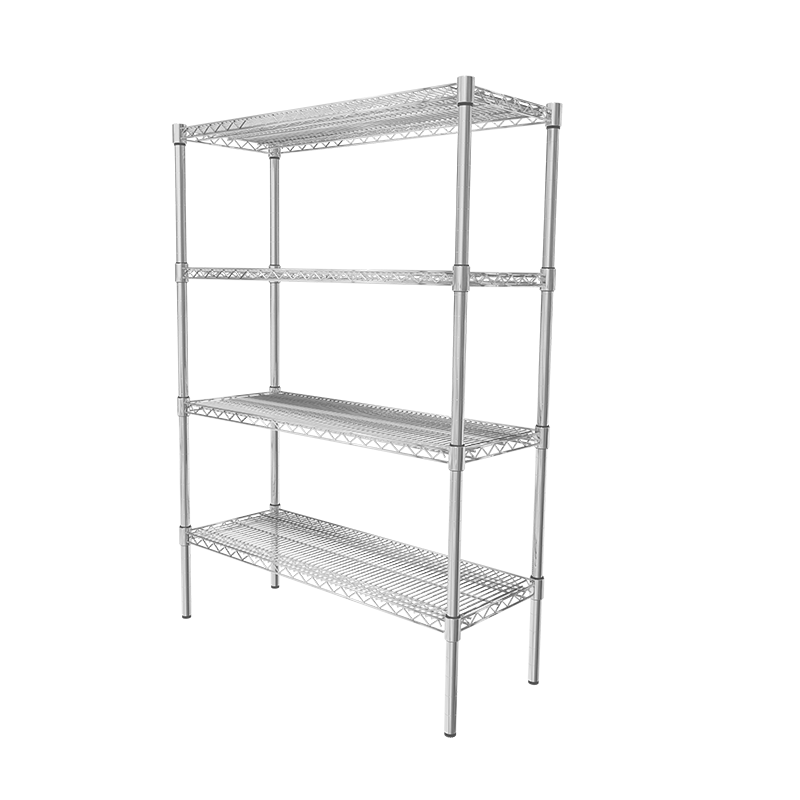
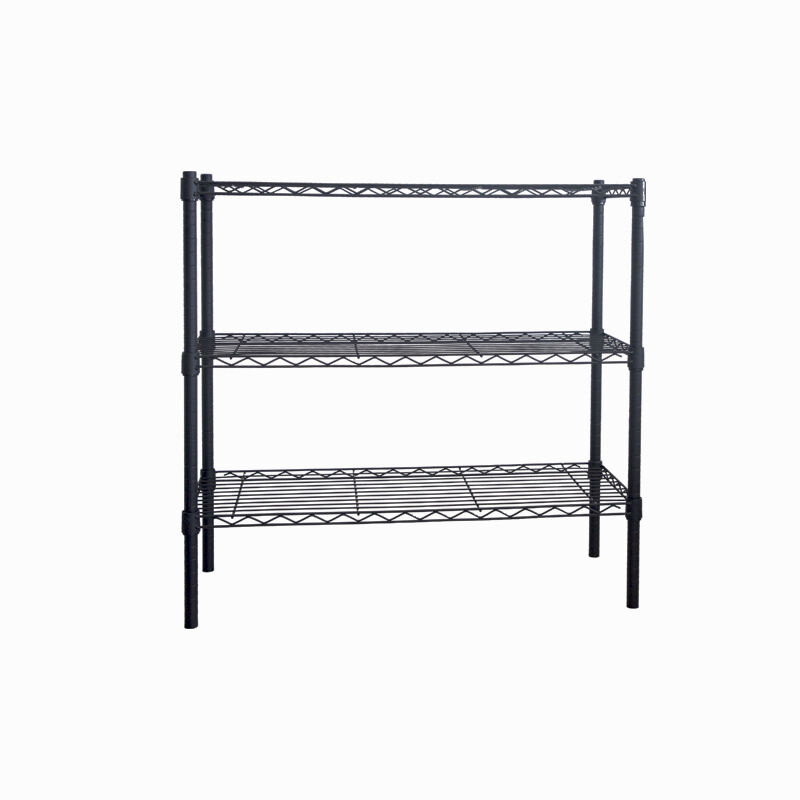
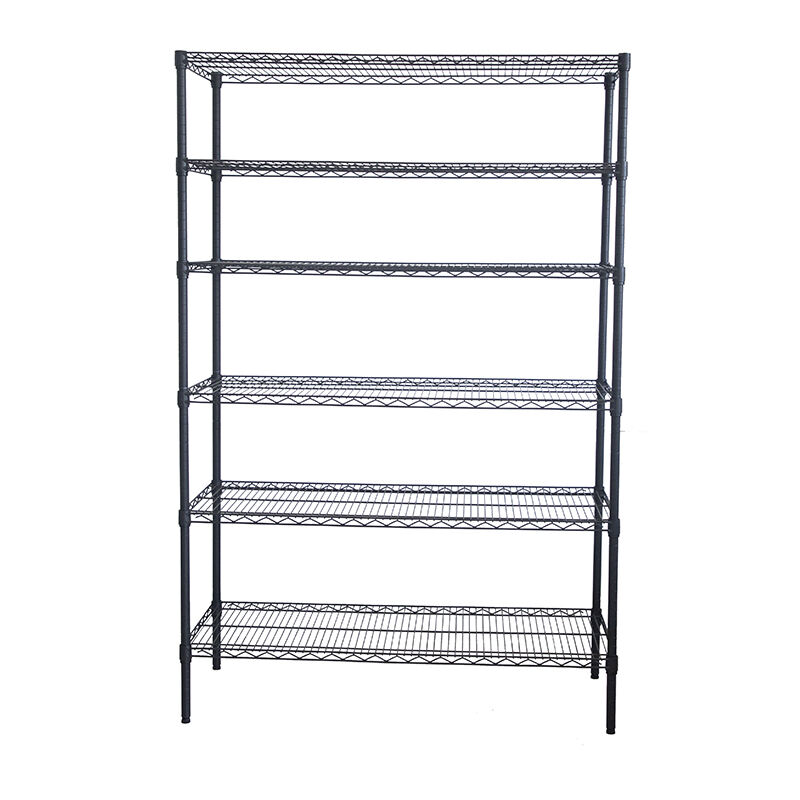
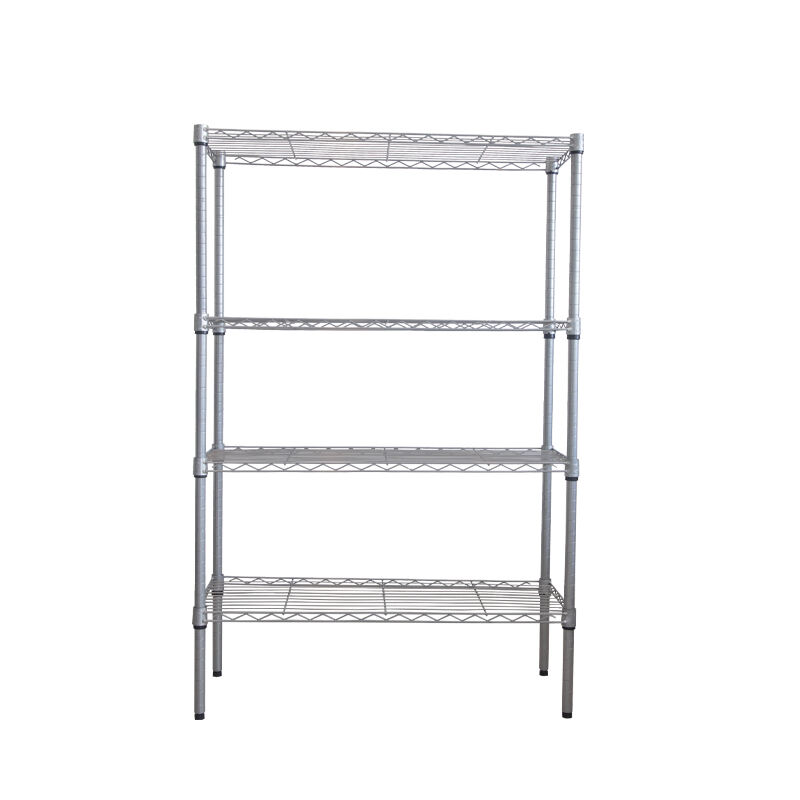
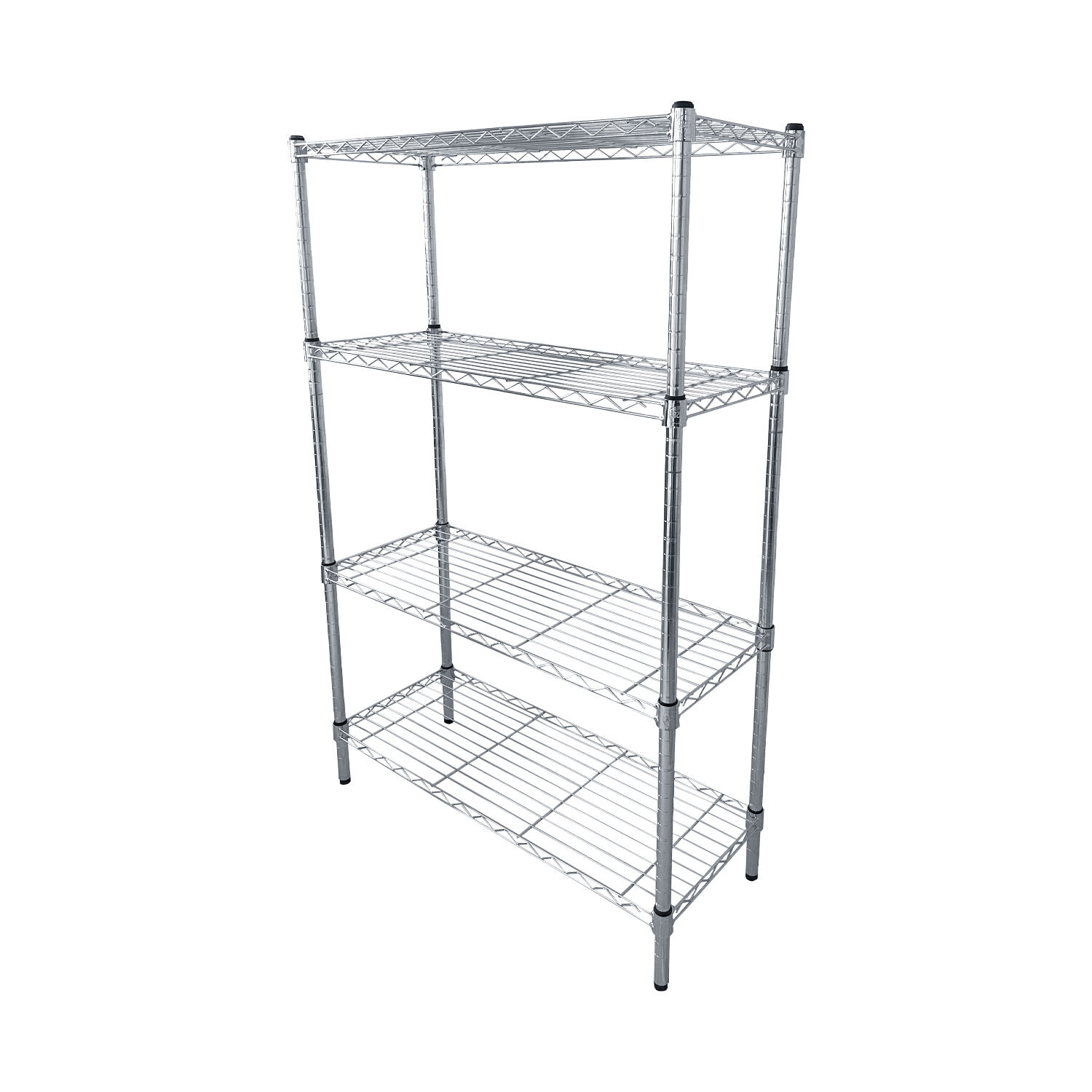
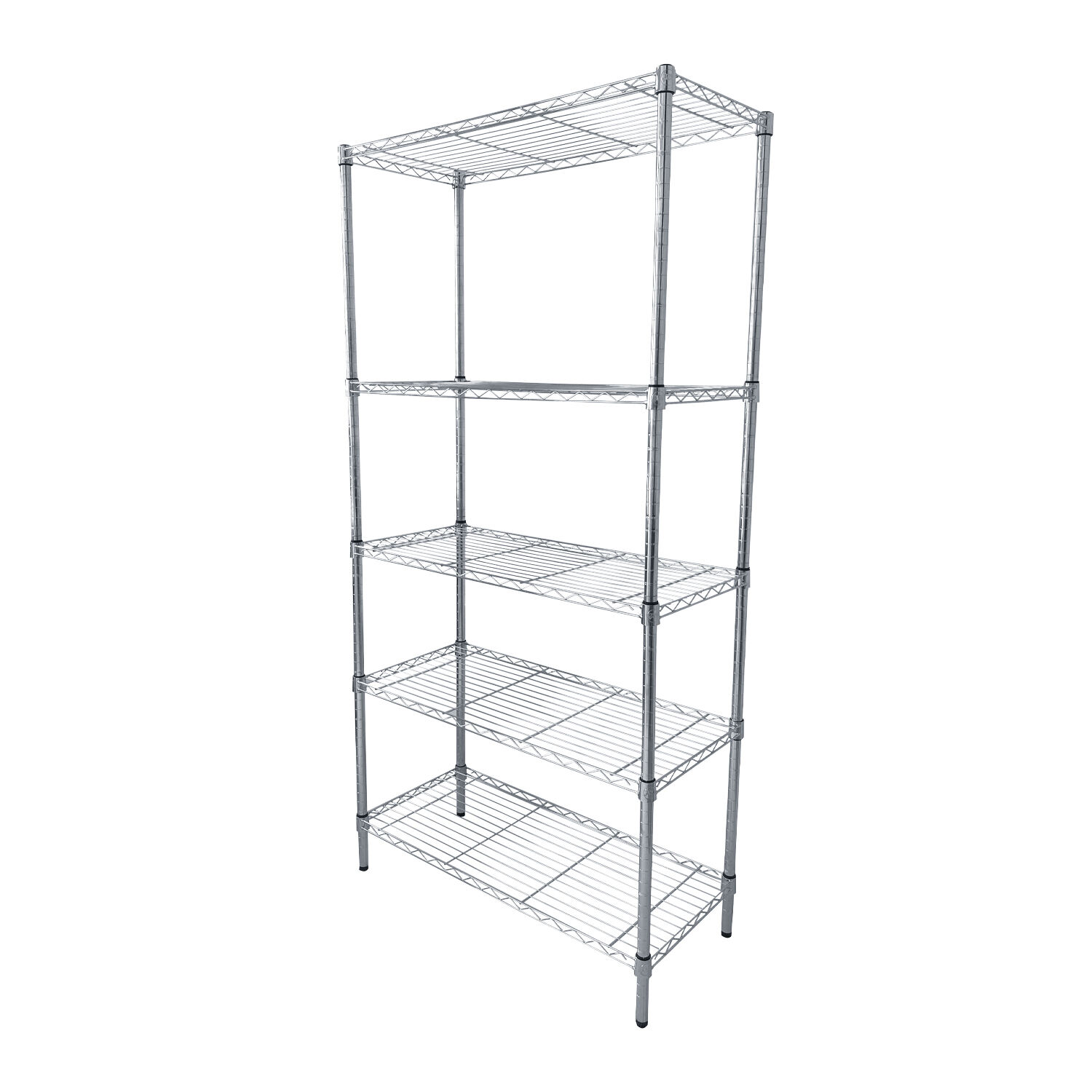
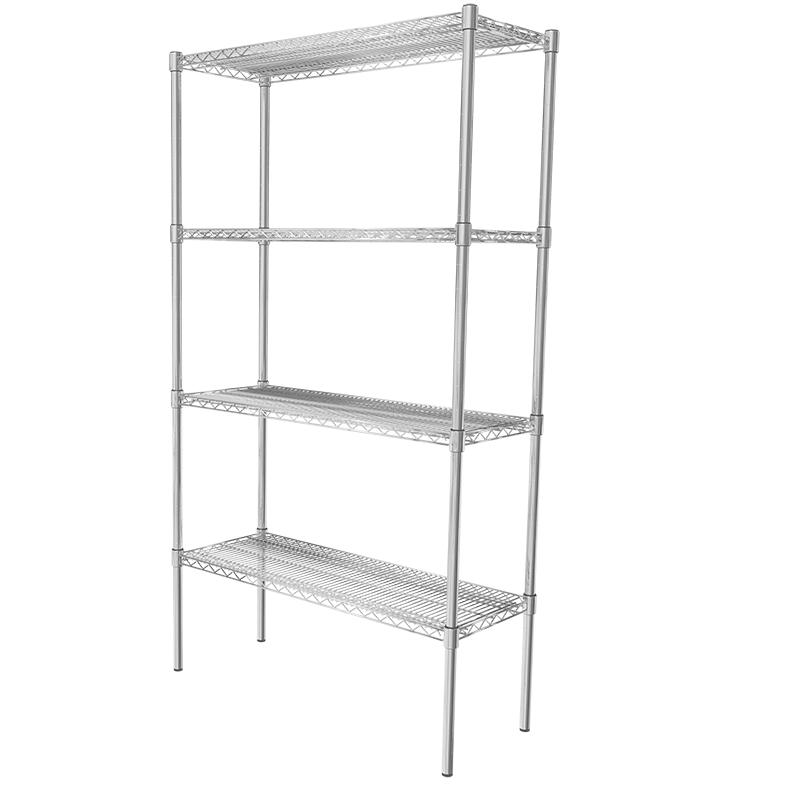
Steel wire storage holders represent the gold standard for bulk applications due to their exceptional strength-to-weight ratio and long-term durability. These storage holders can withstand heavy loads while maintaining their structural integrity over years of continuous use. The open wire design promotes excellent air circulation, making these storage holders ideal for environments where ventilation is crucial, such as food service, healthcare, and pharmaceutical applications.
Chrome-plated steel wire storage holders offer superior corrosion resistance, essential for humid environments or applications involving frequent cleaning. The smooth surface finish of quality storage holders resists bacterial growth and facilitates easy sanitization, meeting strict hygiene standards in commercial kitchens and medical facilities. For bulk buyers, the longevity of steel wire storage holders translates to lower replacement costs and reduced maintenance requirements over time.
Modern polymer storage holders have evolved significantly, offering lightweight alternatives with impressive durability characteristics. High-density polyethylene and polypropylene storage holders resist chemical damage and won't rust or corrode, making them suitable for harsh environments where steel might deteriorate. These materials also provide natural antimicrobial properties, reducing the risk of contamination in sensitive applications.
Composite storage holders combine multiple materials to optimize performance characteristics, often featuring reinforced frames with impact-resistant surfaces. For bulk buyers operating in diverse environments, these storage holders offer versatility and consistent performance across varying conditions. The manufacturing consistency of polymer storage holders ensures uniform quality in large orders, reducing the risk of defective units that can disrupt operations.
Determining the appropriate load capacity for storage holders requires careful analysis of current and projected storage needs. Industrial-grade storage holders typically support between 200 to 800 pounds per shelf level, with heavy-duty models exceeding 1000 pounds when properly distributed. Bulk buyers must consider not only maximum capacity but also the dynamic loading conditions that occur during daily operations.
Weight distribution patterns significantly impact storage holders performance and longevity. Concentrated loads at shelf centers create different stress patterns than evenly distributed loads, affecting the selection criteria for storage holders in bulk applications. Professional load testing data from manufacturers helps procurement teams make informed decisions about storage holders specifications that will perform reliably under expected operating conditions.
Modular storage holders systems offer exceptional flexibility for organizations with evolving storage requirements. These systems allow components to be reconfigured, expanded, or relocated as operational needs change, maximizing the long-term value of bulk purchases. Standardized connection methods ensure compatibility between different storage holders units, enabling seamless expansion of existing installations.
The scalability of modular storage holders makes them particularly attractive for growing organizations or seasonal operations. Bulk buyers can implement storage holders solutions in phases, starting with immediate needs and expanding capacity as business requirements grow. This approach spreads capital investment over time while maintaining consistency in storage holders specifications across the entire system.
Environmental conditions significantly impact storage holders performance and selection criteria. High-temperature applications require storage holders with materials that maintain structural integrity and dimensional stability under thermal stress. Stainless steel storage holders excel in extreme temperature environments, while certain polymer formulations offer better thermal insulation properties for temperature-sensitive stored items.
Humidity control becomes critical in storage holders selection for pharmaceutical, food service, and archival applications. Open-wire storage holders promote air circulation that helps prevent moisture accumulation, while solid-shelf designs may trap humidity and create condensation problems. Bulk buyers must evaluate storage holders based on their ability to maintain optimal environmental conditions for stored materials.
Maintenance accessibility directly impacts the total cost of ownership for storage holders in bulk applications. Storage holders designed with cleaning access in mind feature smooth surfaces, rounded corners, and removable components that simplify routine maintenance procedures. The frequency and intensity of required cleaning procedures influence material selection and configuration choices for storage holders systems.
Chemical compatibility becomes essential when storage holders will be exposed to cleaning agents, disinfectants, or industrial chemicals. Certain storage holders materials may degrade when exposed to specific cleaning compounds, leading to premature failure and increased replacement costs. Bulk buyers should verify chemical resistance specifications to ensure storage holders will maintain their performance characteristics throughout their expected service life.
Calculating the true cost of storage holders involves factors beyond the initial purchase price, including installation, maintenance, replacement, and operational impact costs. High-quality storage holders may command premium prices but deliver superior longevity and performance that reduces long-term expenses. Bulk buyers should develop comprehensive cost models that account for the full lifecycle of storage holders investments.
Energy costs associated with storage holders operations, while often minimal, can become significant in large installations. Efficient storage holders designs that optimize space utilization reduce heating, cooling, and lighting requirements for storage areas. The cumulative effect of these savings over the lifespan of storage holders can justify higher initial investments in premium products.
ROI calculations for storage holders should include productivity improvements, space utilization gains, and reduced labor costs associated with more efficient storage systems. Well-designed storage holders can reduce picking times, minimize handling errors, and improve inventory accuracy, all of which contribute to operational cost savings. These benefits become particularly significant in bulk applications where small efficiency gains multiply across large operations.
Risk mitigation represents another important ROI factor for storage holders investments. Quality storage holders systems reduce the risk of product damage, workplace injuries, and operational disruptions that can result in significant costs. The prevention of even a single major incident can justify the premium paid for superior storage holders in bulk applications.
Bulk purchasing for storage holders typically begins at quantities of 50-100 units, though this varies by manufacturer and product type. Many suppliers offer volume pricing tiers starting at 25 units, with significant discounts available for orders exceeding 200 units. The definition of bulk also depends on the total order value, with some manufacturers considering any single order over $10,000 as qualifying for bulk pricing regardless of unit count.
Load capacity selection for storage holders should be based on your heaviest anticipated loads plus a 25-30% safety margin. Consider both static and dynamic loading conditions, as items being placed or removed create additional stress. Consult manufacturer specifications and consider professional load testing if you're storing particularly heavy or valuable items. Remember that proper weight distribution across storage holders surfaces is as important as total capacity.
Quality storage holders manufacturers typically offer 5-10 year warranties for bulk purchases, with some premium products including lifetime warranties against manufacturing defects. Bulk buyers often receive extended warranty terms compared to individual purchases, sometimes doubling the standard coverage period. Warranty terms should cover structural integrity, finish quality, and component functionality, with clear guidelines for normal wear versus defect-related issues.
While mixing storage holder brands is technically possible, it's generally not recommended for bulk applications due to compatibility, maintenance, and aesthetic considerations. Different manufacturers use varying dimensions, connection methods, and materials that may not integrate seamlessly. Standardizing on a single brand for storage holders ensures consistent performance, simplified maintenance procedures, and unified appearance throughout your facility, maximizing the benefits of your bulk investment.
 Hot News
Copyright © 2026 Top Trust Biotechnology Co., Ltd All Rights Reserved Privacy policy
 EN
EN
 AR
AR
 FR
FR
 PT
PT
 ES
ES
 VI
VI
 BG
BG
 HR
HR
 CS
CS
 DA
DA
 NL
NL
 FI
FI
 DE
DE
 EL
EL
 HI
HI
 IT
IT
 JA
JA
 KO
KO
 NO
NO
 PL
PL
 RO
RO
 RU
RU
 SV
SV
 TL
TL
 IW
IW
 SK
SK
 SL
SL
 ET
ET
 HU
HU
 TH
TH
 TR
TR
 MS
MS
 IS
IS
 KA
KA
 BN
BN
 LA
LA
 MN
MN
 NE
NE
 UZ
UZ