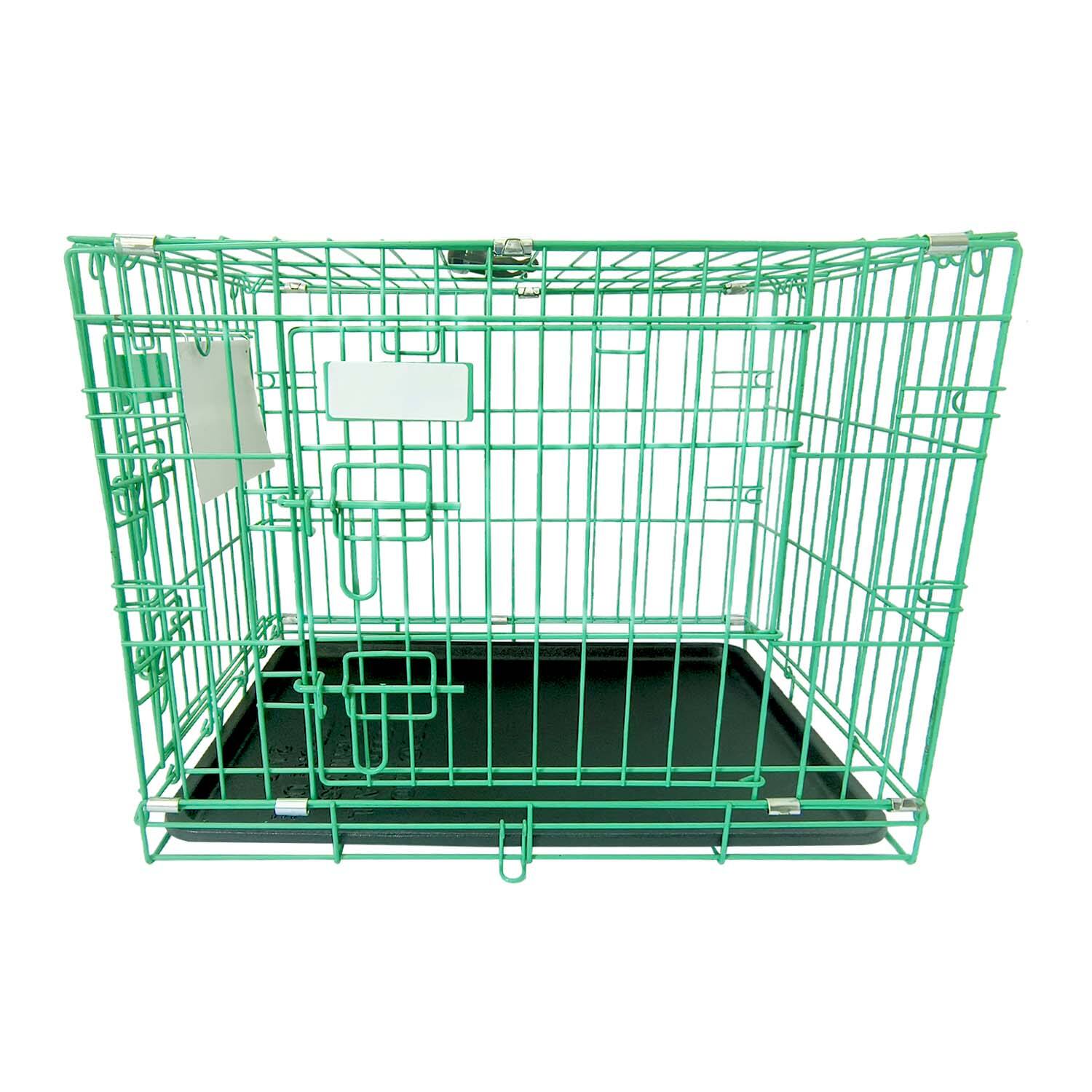
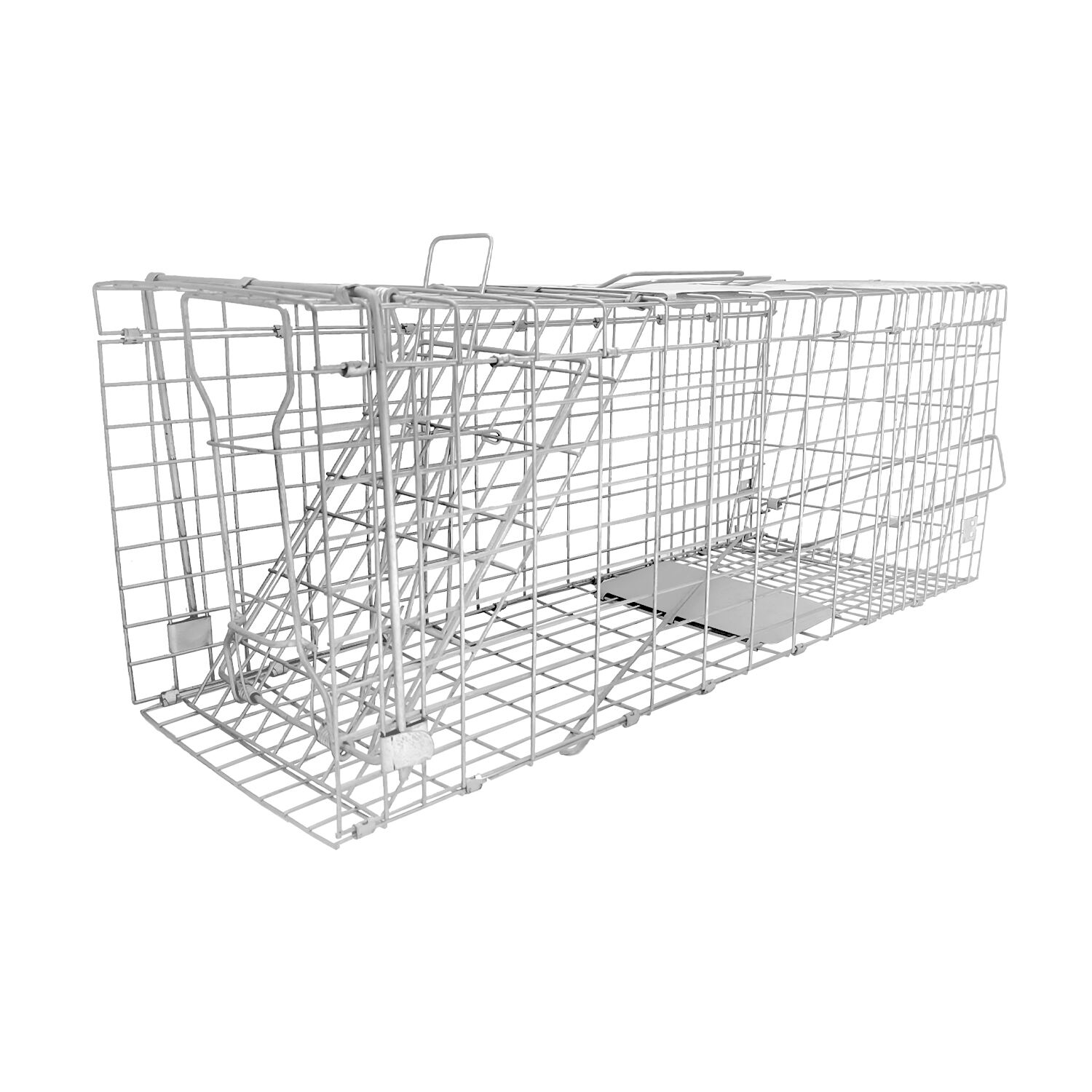
Commercial spaces demand efficient organization solutions that maximize every square foot while maintaining operational functionality. The right storage holders can transform cluttered work environments into streamlined, productive spaces that support daily operations and enhance workflow efficiency. Understanding the key factors that influence storage selection ensures businesses invest in solutions that deliver long-term value and optimal space utilization.
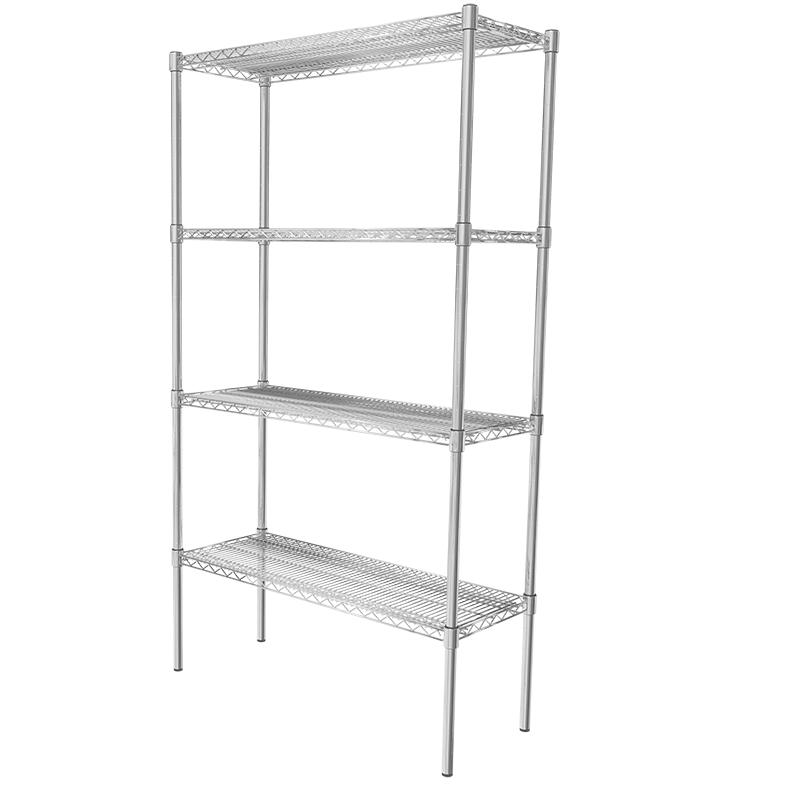
Modern commercial facilities face increasing pressure to optimize their physical footprint while accommodating growing inventory needs and equipment requirements. Space-saving storage holders have emerged as essential tools for businesses seeking to balance accessibility with maximum capacity. These solutions enable companies to maintain organized environments that support operational efficiency while reducing overhead costs associated with larger facilities.
The selection process for commercial storage systems requires careful consideration of multiple factors including load capacity, durability requirements, and integration capabilities with existing infrastructure. Professional-grade storage holders must withstand constant use while providing reliable access to stored items throughout busy operational periods. This comprehensive approach ensures that chosen solutions contribute to both immediate organizational goals and long-term business sustainability.
Effective storage planning begins with a thorough assessment of existing space utilization patterns and identification of specific organizational challenges within your commercial environment. Document current storage inefficiencies, including areas where items are difficult to access, spaces that remain underutilized, and workflows that could benefit from improved organization. This analysis provides the foundation for selecting storage holders that address real operational needs rather than implementing generic solutions.
Consider the frequency of item retrieval and the types of materials that require storage when evaluating your current system. High-turnover items need easily accessible storage holders, while long-term inventory can utilize higher or deeper storage configurations. Understanding these usage patterns helps determine the optimal balance between accessibility and space efficiency in your storage holder selection process.
Accurate spatial measurements form the cornerstone of successful storage holder implementation in commercial environments. Document ceiling heights, floor space dimensions, and any architectural constraints that may influence storage system design. Consider factors such as doorway widths, ventilation requirements, and safety clearances that affect both installation and daily operations of your chosen storage solutions.
Create detailed floor plans that include existing fixtures, equipment placement, and traffic flow patterns to identify optimal locations for new storage holders. This systematic approach ensures that selected solutions integrate seamlessly with current operations while maximizing available space utilization. Pay special attention to corners, vertical spaces, and underutilized areas that could accommodate specialized storage configurations.
The longevity and performance of storage holders depend heavily on material selection that matches the demands of your specific commercial environment. Stainless steel options provide excellent corrosion resistance and easy cleaning properties, making them ideal for food service and medical facilities. Heavy-duty plastic materials offer lightweight alternatives with chemical resistance, suitable for laboratories and manufacturing environments where exposure to various substances occurs regularly.
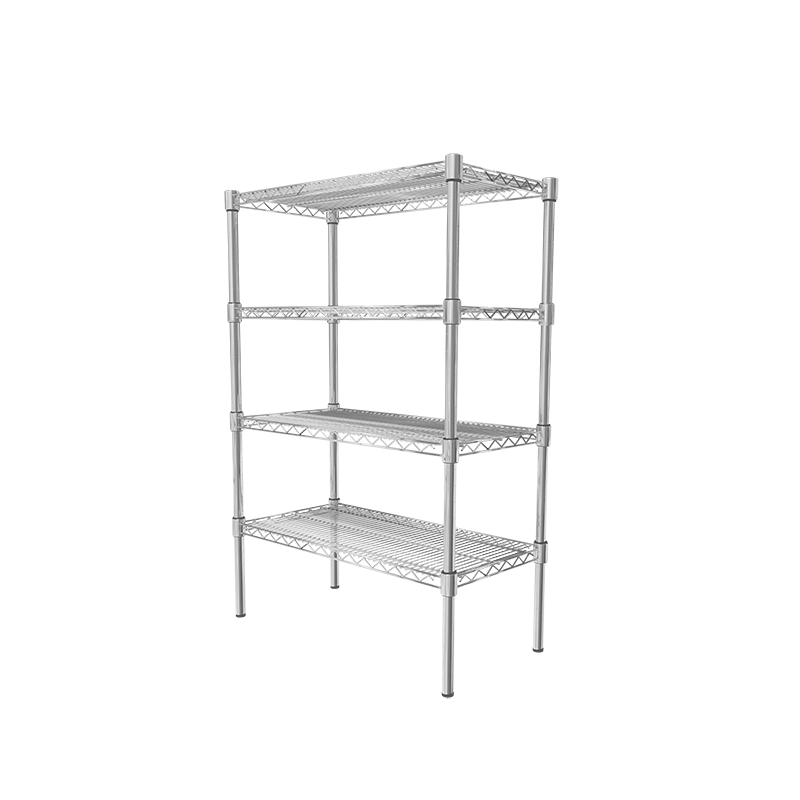
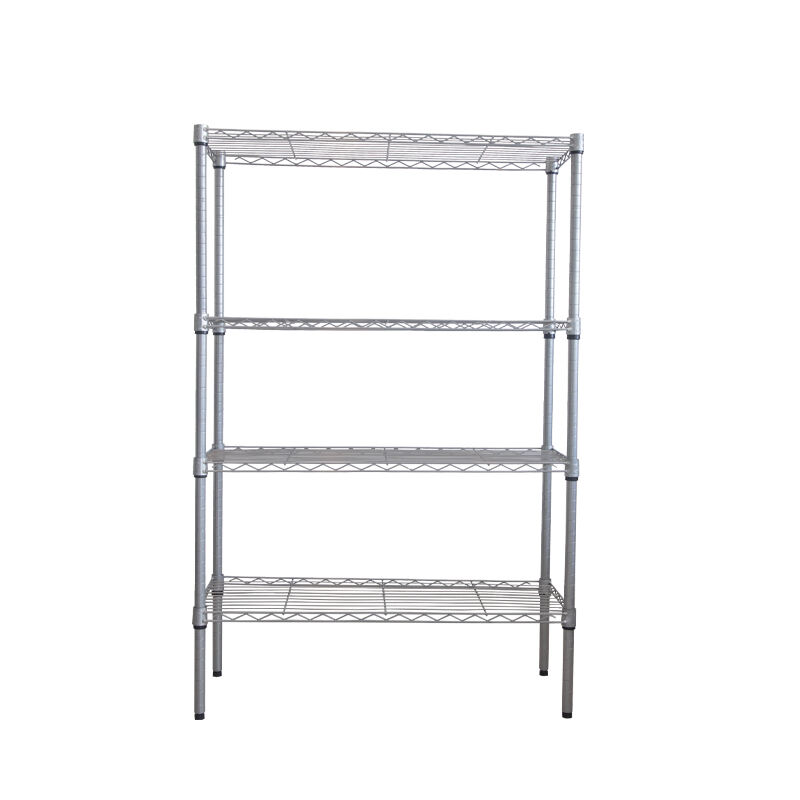
Wire shelving systems deliver exceptional ventilation and visibility while maintaining structural integrity under substantial load requirements. These storage holders excel in applications requiring air circulation around stored items or where visual inventory management is essential. Consider the specific environmental conditions, including temperature fluctuations, humidity levels, and potential chemical exposure when selecting appropriate materials for your commercial storage needs.
Understanding weight requirements ensures that selected storage holders can safely support intended loads without compromising structural integrity or safety standards. Evaluate both static weight capacity and dynamic loading scenarios where items are frequently added or removed from storage systems. Commercial environments often require storage solutions that can handle concentrated loads while maintaining stability during peak operational periods.
Proper weight distribution across storage holders prevents premature failure and maintains safe working conditions for staff members. Consider how stored items will be arranged and accessed when calculating total weight requirements. Factor in potential future needs that may require increased capacity to avoid premature system replacement as business requirements evolve.
Maximizing vertical space represents one of the most effective approaches to increasing storage capacity without expanding facility footprint. Tall storage holders that extend toward ceiling height multiply available storage area while maintaining floor space for operational activities. Consider adjustable shelving systems that accommodate varying item heights and can be reconfigured as storage needs change over time.
Wall-mounted storage holders eliminate floor space requirements while providing convenient access to frequently used items. These solutions work particularly well for tools, supplies, and lightweight inventory that benefits from visible organization. Evaluate wall construction and load-bearing capacity before implementing wall-mounted systems to ensure safe installation and operation.
Modular storage holders provide flexibility to adapt storage configurations as business needs evolve without requiring complete system replacement. These interconnected systems allow for incremental expansion while maintaining consistent organization standards throughout facilities. Consider how individual modules can be rearranged or relocated to accommodate changing operational requirements or facility modifications.
Expandable storage systems support business growth by allowing capacity increases without disrupting existing organizational structures. Plan for future expansion possibilities when selecting initial storage holders to ensure compatibility with potential additions. This forward-thinking approach prevents costly system incompatibilities and maintains operational continuity during growth phases.
Successful storage implementation requires careful evaluation of how new storage holders will integrate with existing equipment, workflows, and facility systems. Assess clearance requirements around current machinery, ensuring that storage solutions do not interfere with equipment operation or maintenance access. Consider how storage placement affects existing lighting, ventilation, and safety systems within your commercial space.
Document existing infrastructure elements that may influence storage holder selection, including electrical systems, plumbing, and HVAC components. Understanding these constraints early in the selection process prevents costly modifications or suboptimal placement decisions that could impact both storage effectiveness and operational efficiency.
Strategic placement of storage holders can significantly improve operational workflows by reducing travel time and simplifying material access procedures. Analyze current movement patterns and identify opportunities to position storage solutions that support efficient task completion. Consider how storage proximity to work areas affects productivity and employee satisfaction in daily operations.
Evaluate opportunities to create logical storage zones that group related items and support intuitive organization systems. Well-planned storage holders contribute to reduced search time, improved inventory accuracy, and enhanced overall operational efficiency. These benefits compound over time, delivering substantial return on investment through improved productivity metrics.
Comprehensive cost analysis for storage holders must include initial purchase prices, installation expenses, and any facility modifications required for proper implementation. Compare total project costs across different storage solutions while considering long-term durability and maintenance requirements. Higher-quality storage holders often deliver superior value through extended service life and reduced replacement frequency.
Factor in potential productivity gains and operational efficiency improvements when calculating return on investment for storage system upgrades. Well-designed storage holders can reduce labor costs through improved accessibility and organization while minimizing errors associated with disorganized work environments. These operational benefits often justify higher initial investments through ongoing cost savings.
Evaluate the total cost of ownership for storage holders by considering maintenance requirements, potential modifications, and expected service life under your specific usage conditions. Quality storage solutions typically require minimal maintenance while providing consistent performance over extended periods. This reliability translates to predictable operational costs and reduced disruption from system failures or replacements.
Consider how storage holders contribute to business scalability and adaptability in changing market conditions. Flexible storage systems support business growth without requiring complete infrastructure overhauls, providing long-term value through sustained operational support. This adaptability becomes increasingly valuable as businesses evolve and expand their operations.
Complex storage holders often require professional installation to ensure proper assembly, anchoring, and integration with facility systems. Evaluate installation complexity when selecting storage solutions, considering factors such as ceiling mounting, wall attachment, and foundation requirements. Professional installation guarantees compliance with safety standards and manufacturer specifications while minimizing liability concerns.
Plan installation timing to minimize disruption to ongoing commercial operations while ensuring adequate access for installation teams. Consider whether installation can be completed during off-hours or if temporary operational adjustments will be necessary. Coordinate with facility management to address any utility shutoffs or access restrictions that may affect installation procedures.
Develop comprehensive maintenance schedules that preserve storage holder performance and extend system service life through regular inspection and care procedures. Document maintenance requirements for different storage components, including cleaning protocols, lubrication needs, and structural integrity checks. Regular maintenance prevents minor issues from developing into costly repairs or safety hazards.
Train staff members on proper storage holder usage and basic maintenance procedures to maximize system longevity and performance. Employee education ensures that storage systems are used correctly while identifying potential issues before they impact operations. This proactive approach maintains optimal storage functionality throughout the system lifecycle.
Storage holder capacity should be determined by analyzing your current inventory volume, projected growth requirements, and available space dimensions. Consider both weight capacity and dimensional constraints while factoring in safety margins for dynamic loading scenarios. Evaluate seasonal fluctuations in storage needs and plan for peak capacity requirements to ensure adequate accommodation throughout operational cycles.
Environmental factors such as temperature, humidity, chemical exposure, and cleaning requirements significantly influence appropriate material choices for storage holders. Stainless steel excels in corrosive environments, while plastic materials provide chemical resistance and easy sanitization. Consider specific environmental challenges in your facility and select materials that maintain performance and safety under these conditions.
Wall-mounted storage holders require careful evaluation of wall construction, load-bearing capacity, and proper anchoring systems to ensure safe installation. Consider the cumulative weight of storage holders plus maximum intended load when selecting appropriate mounting hardware. Verify that wall materials can support dynamic loads associated with frequent loading and unloading activities.
Modular storage holders provide flexibility through interchangeable components that can be reconfigured, relocated, or expanded without replacing entire systems. These systems support business growth by allowing incremental capacity increases while maintaining organizational consistency. Plan initial configurations with future expansion possibilities to maximize long-term value and operational adaptability as business needs evolve.
 Hot News
Copyright © 2026 Top Trust Biotechnology Co., Ltd All Rights Reserved Privacy policy
 EN
EN
 AR
AR
 FR
FR
 PT
PT
 ES
ES
 VI
VI
 BG
BG
 HR
HR
 CS
CS
 DA
DA
 NL
NL
 FI
FI
 DE
DE
 EL
EL
 HI
HI
 IT
IT
 JA
JA
 KO
KO
 NO
NO
 PL
PL
 RO
RO
 RU
RU
 SV
SV
 TL
TL
 IW
IW
 SK
SK
 SL
SL
 ET
ET
 HU
HU
 TH
TH
 TR
TR
 MS
MS
 IS
IS
 KA
KA
 BN
BN
 LA
LA
 MN
MN
 NE
NE
 UZ
UZ