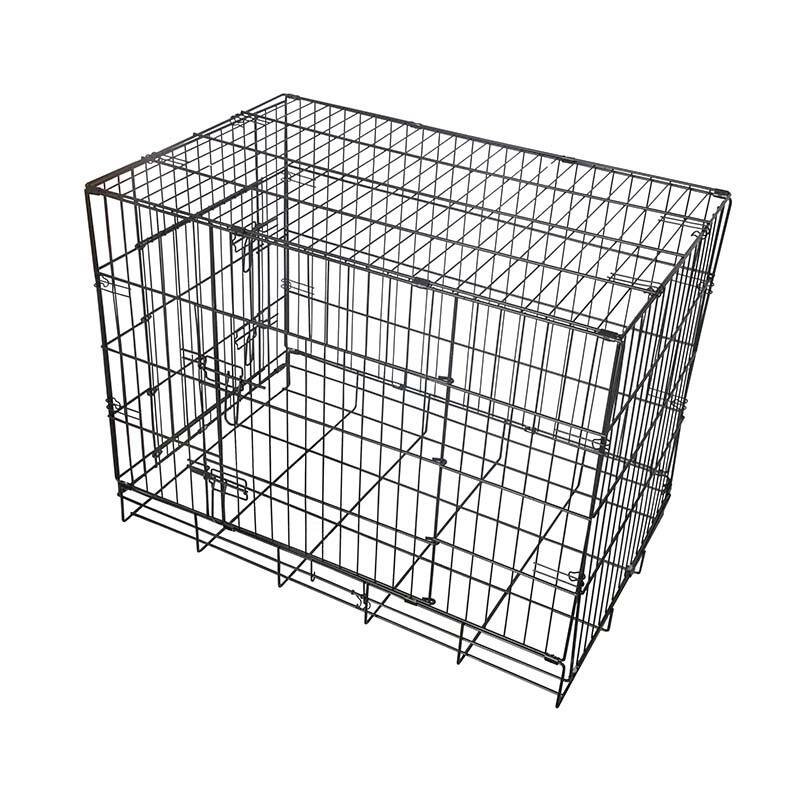
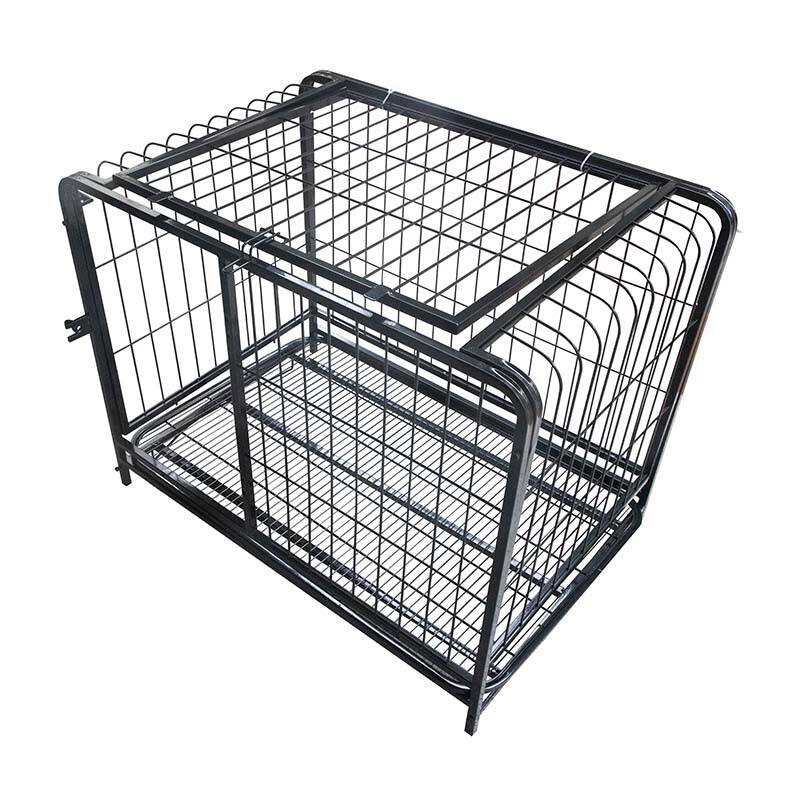
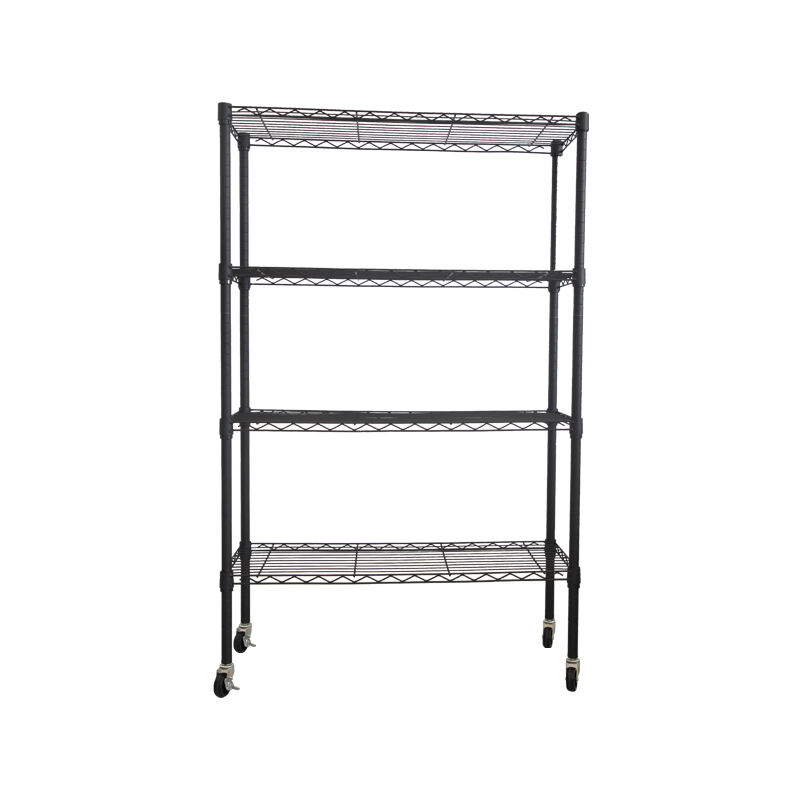
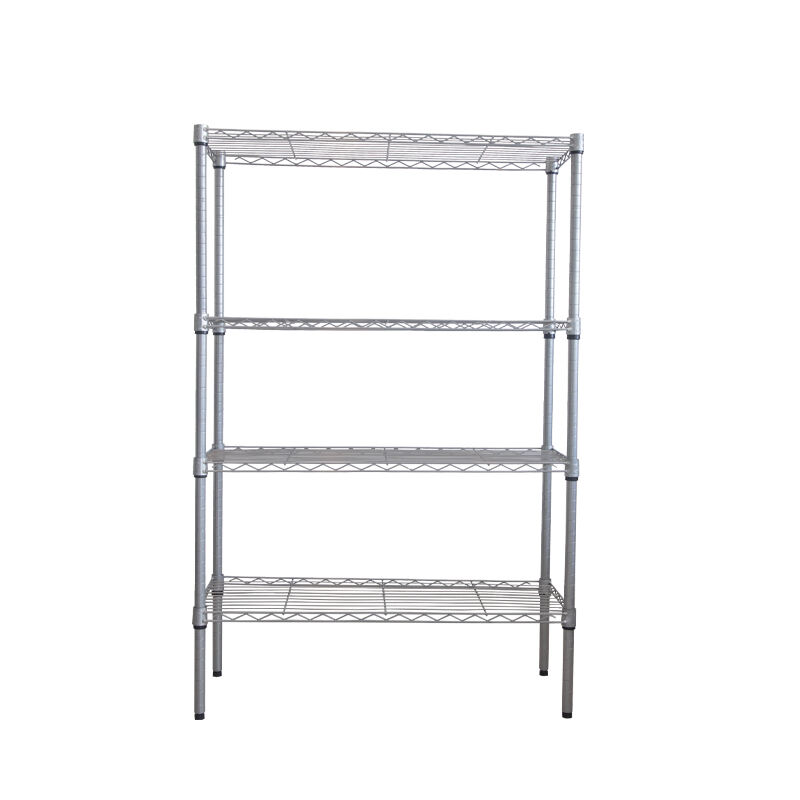
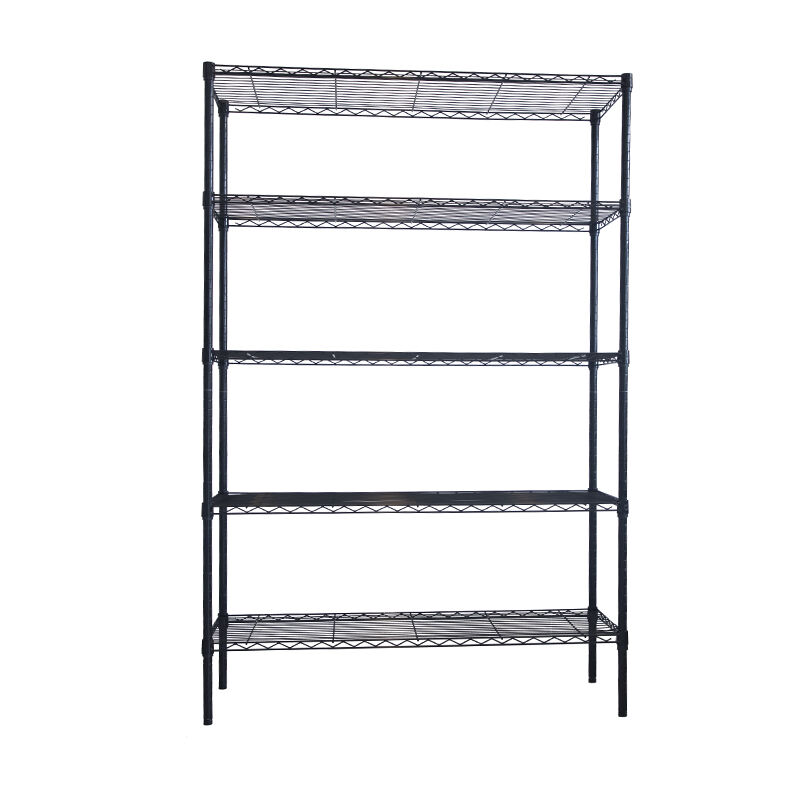
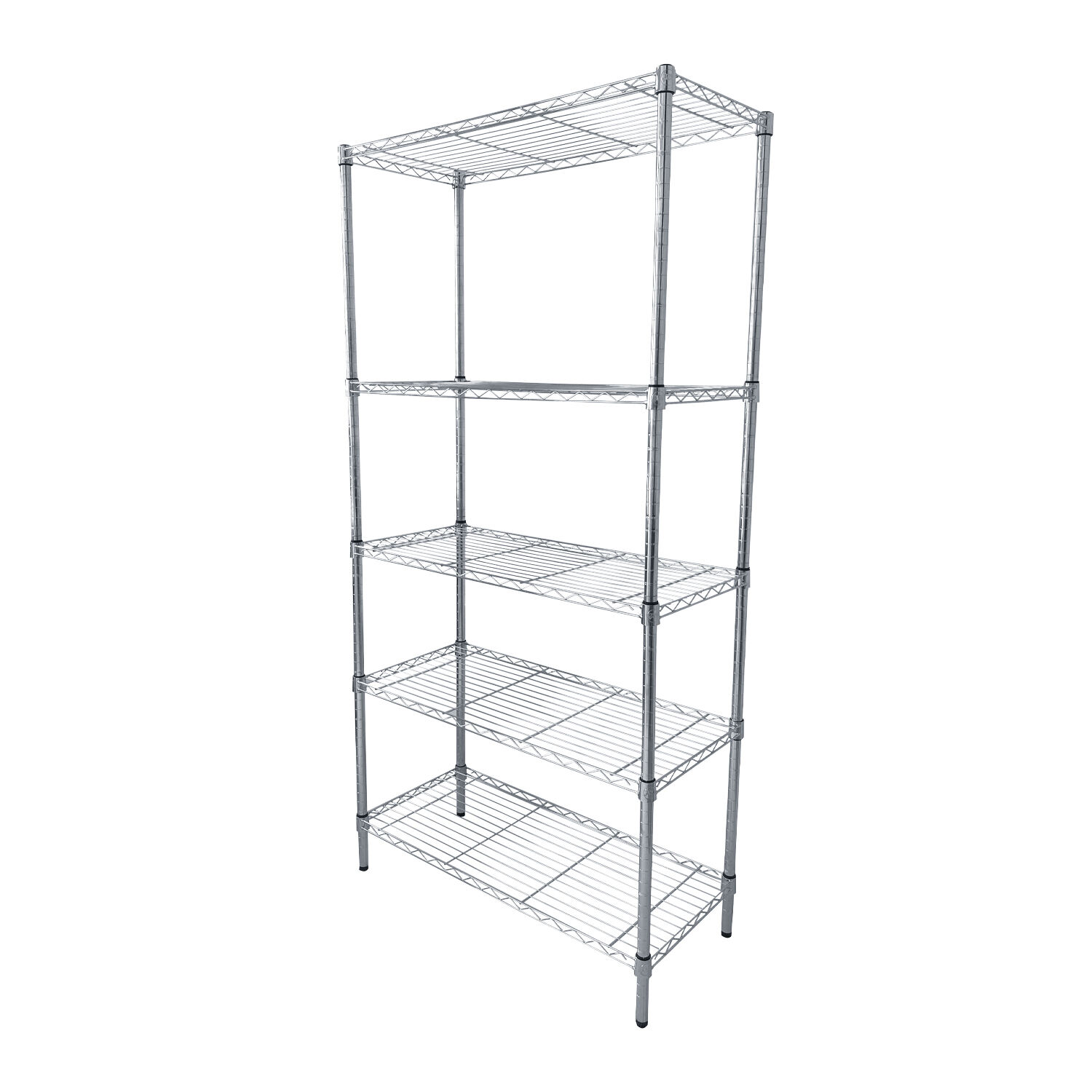
Distributors face critical decisions when evaluating storage holder orders, as these products directly impact customer satisfaction, inventory turnover, and profitability. The storage holder market encompasses diverse applications from residential kitchen organization to commercial warehouse systems, making product selection a complex process that requires careful analysis of multiple variables. Understanding the key factors that influence storage holder procurement decisions enables distributors to make informed choices that align with market demand and business objectives.
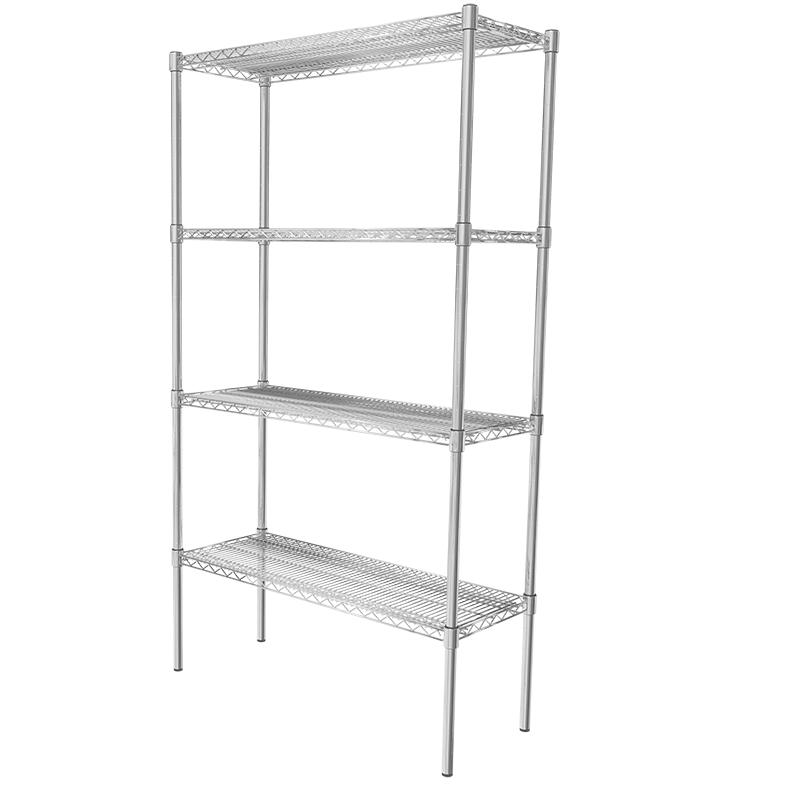
The procurement evaluation process for storage holder products requires systematic assessment across technical specifications, market positioning, and operational considerations. Distributors must balance immediate cost factors against long-term performance expectations while ensuring their selected storage holder solutions meet diverse customer requirements. This comprehensive evaluation framework helps distributors avoid common pitfalls such as quality issues, inventory obsolescence, and customer dissatisfaction that can result from inadequate pre-order assessment.
The foundation of any reliable storage holder lies in its material composition, which directly affects durability, load capacity, and longevity. Distributors should evaluate whether storage holder products utilize high-grade steel, aluminum, or engineered plastics that meet industry standards for strength and corrosion resistance. Material certificates and compliance documentation provide essential verification of quality claims, ensuring that storage holder products can withstand anticipated usage conditions without premature failure or safety concerns.
Advanced material technologies in storage holder manufacturing include powder coating systems, galvanized finishes, and specialized alloys designed for specific environments. Distributors must assess whether these material enhancements justify price premiums and align with target market requirements. The storage holder's material composition should demonstrate consistency across production batches, with documented quality control processes that minimize variability and ensure reliable performance characteristics.
Manufacturing processes significantly influence storage holder performance, requiring distributors to examine welding techniques, joint integrity, and assembly methods. Professional-grade storage holder products typically feature reinforced connection points, precision-engineered tolerances, and robust fastening systems that maintain structural integrity under repeated loading cycles. Distributors should verify that construction methodologies align with intended applications and usage scenarios expected by end customers.
Quality construction in storage holder manufacturing involves consistent dimensional accuracy, smooth edge finishing, and proper component alignment that facilitates easy installation and reliable operation. Distributors must evaluate whether manufacturing processes include adequate quality checkpoints, statistical process control measures, and final inspection protocols that ensure each storage holder unit meets specified performance criteria before shipment to distribution channels.
Storage holder load capacity represents a critical safety and functionality parameter that distributors must carefully evaluate against target market applications. Accurate weight ratings ensure that storage holder products can safely support intended loads without structural failure, deflection, or instability that could compromise user safety or product performance. Distributors should verify that load capacity specifications include appropriate safety factors and reflect realistic usage conditions rather than theoretical maximum values.
Professional storage holder applications often require dynamic load considerations, accounting for impact forces, uneven weight distribution, and repeated loading cycles that can stress structural components beyond static weight limits. Distributors must assess whether storage holder specifications address these real-world conditions and provide adequate performance margins for diverse customer requirements and installation environments.
Storage holder dimensions must align with standard installation requirements and available space configurations commonly encountered in target markets. Distributors should evaluate whether product dimensions accommodate typical cabinet openings, shelf spacing, and clearance requirements that customers expect from storage holder solutions. Dimensional consistency across production runs ensures reliable fit and eliminates installation complications that can generate customer complaints and returns.
Modular storage holder systems require precise dimensional coordination between components, enabling scalable configurations that adapt to varying customer needs. Distributors must verify that dimensional specifications maintain compatibility with existing storage holder accessories, mounting hardware, and complementary products that customers may already own or wish to integrate into their organization systems.
Understanding specific storage holder applications helps distributors evaluate product suitability for their customer base and market positioning strategies. Residential storage holder needs differ significantly from commercial applications in terms of aesthetic requirements, installation complexity, and performance expectations. Distributors should analyze whether storage holder products align with predominant usage patterns in their target markets and provide appropriate value propositions for intended customer segments.
Professional storage holder applications in restaurants, warehouses, and retail environments demand enhanced durability, regulatory compliance, and specialized features that may not be necessary for residential use. Distributors must assess whether their selected storage holder products offer appropriate feature sets and performance characteristics for professional applications while maintaining competitive pricing for broader market appeal.
Visual appeal significantly influences storage holder purchasing decisions, particularly in residential and retail applications where appearance affects overall space aesthetics. Distributors should evaluate whether storage holder designs complement popular interior styles, color schemes, and architectural trends that drive customer preferences in their markets. Contemporary storage holder aesthetics often emphasize clean lines, minimal visual impact, and seamless integration with existing cabinetry or storage systems.
Design versatility in storage holder products enables broader market appeal by accommodating diverse customer preferences and installation environments. Distributors must consider whether storage holder styling remains relevant across market cycles and demographic shifts while providing sufficient differentiation from competitive products in their distribution channels.
Storage holder supplier evaluation requires comprehensive assessment of manufacturing capacity, quality consistency, and delivery reliability that affects distributor operations and customer satisfaction. Established suppliers typically demonstrate consistent production schedules, predictable lead times, and responsive customer service that supports distributor planning and inventory management requirements. Distributors should verify supplier financial stability, manufacturing certifications, and track record of meeting contractual obligations before committing to significant storage holder orders.
Long-term supplier relationships in the storage holder market provide advantages through priority allocation during high-demand periods, customization opportunities, and collaborative product development initiatives. Distributors must evaluate whether potential suppliers demonstrate commitment to ongoing partnership development and possess the technical capabilities necessary to support evolving market requirements for storage holder products.
Storage holder inventory planning requires careful balance between stock availability and carrying cost optimization, considering factors such as product shelf life, seasonal demand patterns, and storage space requirements. Distributors should analyze storage holder turnover rates, minimum order quantities, and packaging configurations that affect warehouse efficiency and inventory investment requirements. Efficient inventory management ensures adequate storage holder availability while minimizing obsolescence risks and capital tie-up.
Demand forecasting for storage holder products involves analyzing historical sales patterns, market trends, and seasonal variations that influence customer purchasing behavior. Distributors must develop inventory strategies that accommodate storage holder demand fluctuations while maintaining service level objectives and profitability targets across their product portfolio.
Storage holder pricing analysis requires comprehensive understanding of all cost components including product cost, shipping expenses, handling charges, and overhead allocation that affect distributor margins. Landed cost calculations must account for currency fluctuations, freight rate variations, and additional charges that can impact storage holder profitability over time. Distributors should develop pricing models that maintain competitive positioning while ensuring adequate margins for sustainable business operations.
Value-based pricing strategies for storage holder products consider customer willingness to pay, competitive alternatives, and perceived product benefits that justify price premiums. Distributors must assess whether storage holder pricing aligns with market positioning objectives and provides appropriate value perception among target customer segments while supporting desired profitability levels.
Storage holder market positioning requires analysis of competitive products, pricing structures, and value propositions that influence customer selection criteria. Distributors should evaluate how their storage holder offerings differentiate from alternatives in terms of features, quality, price, and service support that create competitive advantages. Effective positioning strategies highlight unique storage holder benefits that resonate with target customers and support premium pricing or volume sales objectives.
Market intelligence regarding storage holder competitive landscape helps distributors identify opportunities for product differentiation, pricing optimization, and strategic positioning that maximize market share and profitability. Regular competitive analysis ensures storage holder offerings remain relevant and competitive as market conditions and customer preferences evolve over time.
Distributors should request sample products for physical inspection, review material certifications and test reports, and conduct load testing to verify storage holder performance claims. Quality verification also includes evaluating manufacturing processes, visiting production facilities when possible, and reviewing third-party quality assessments that validate product specifications and consistency.
Storage holder minimum order quantities typically range from 100 to 1000 units depending on product complexity, customization requirements, and supplier policies. Distributors should negotiate MOQs that balance inventory investment with volume pricing advantages while ensuring adequate stock levels to meet customer demand and maintain service level objectives.
Storage holder packaging significantly affects handling costs, damage rates, and customer satisfaction, making it a critical evaluation factor for distributors. Effective packaging protects products during transit, facilitates efficient warehouse operations, and supports retail presentation requirements while minimizing packaging waste and disposal costs that affect overall profitability.
Distributors should negotiate storage holder warranties that cover material defects and manufacturing flaws for minimum 12-month periods, with provisions for replacement or repair of defective units. Warranty terms should clearly define coverage limitations, claim procedures, and distributor responsibilities while providing adequate protection against quality issues that could affect customer relationships and business reputation.
 Hot News
Copyright © 2026 Top Trust Biotechnology Co., Ltd All Rights Reserved Privacy policy
 EN
EN
 AR
AR
 FR
FR
 PT
PT
 ES
ES
 VI
VI
 BG
BG
 HR
HR
 CS
CS
 DA
DA
 NL
NL
 FI
FI
 DE
DE
 EL
EL
 HI
HI
 IT
IT
 JA
JA
 KO
KO
 NO
NO
 PL
PL
 RO
RO
 RU
RU
 SV
SV
 TL
TL
 IW
IW
 SK
SK
 SL
SL
 ET
ET
 HU
HU
 TH
TH
 TR
TR
 MS
MS
 IS
IS
 KA
KA
 BN
BN
 LA
LA
 MN
MN
 NE
NE
 UZ
UZ