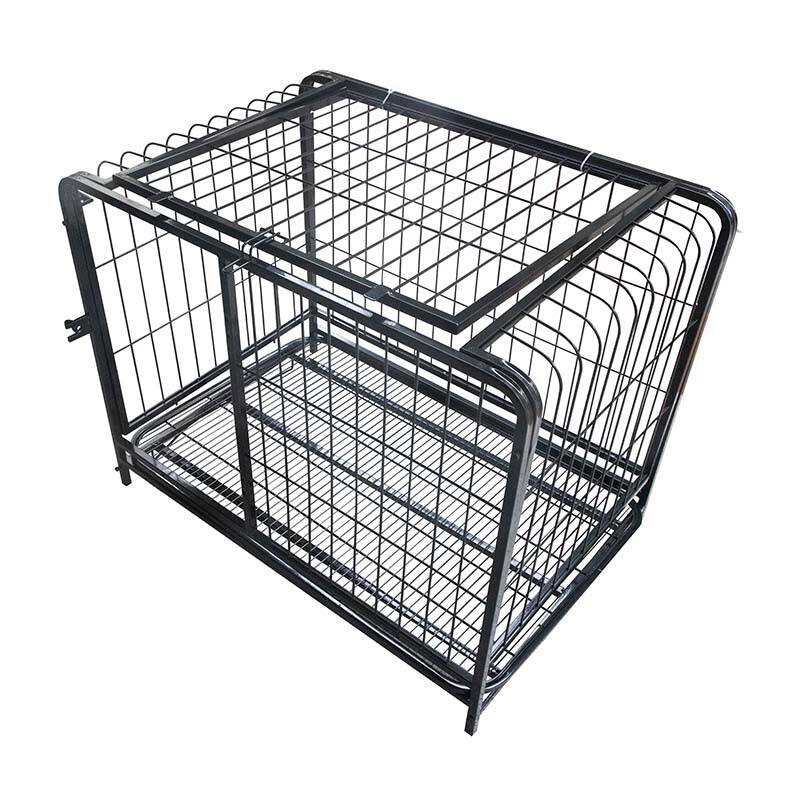
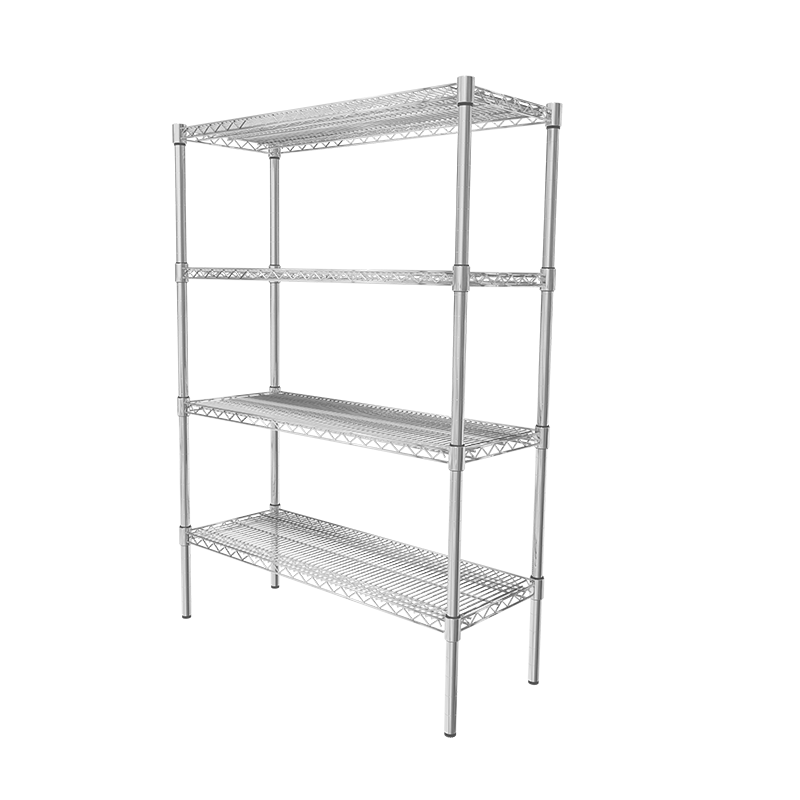
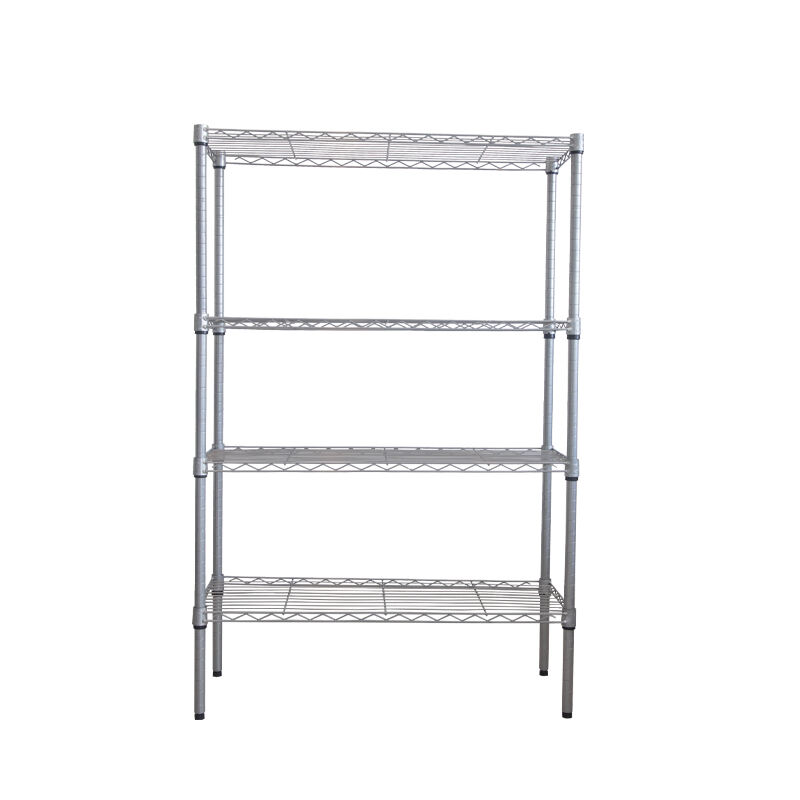
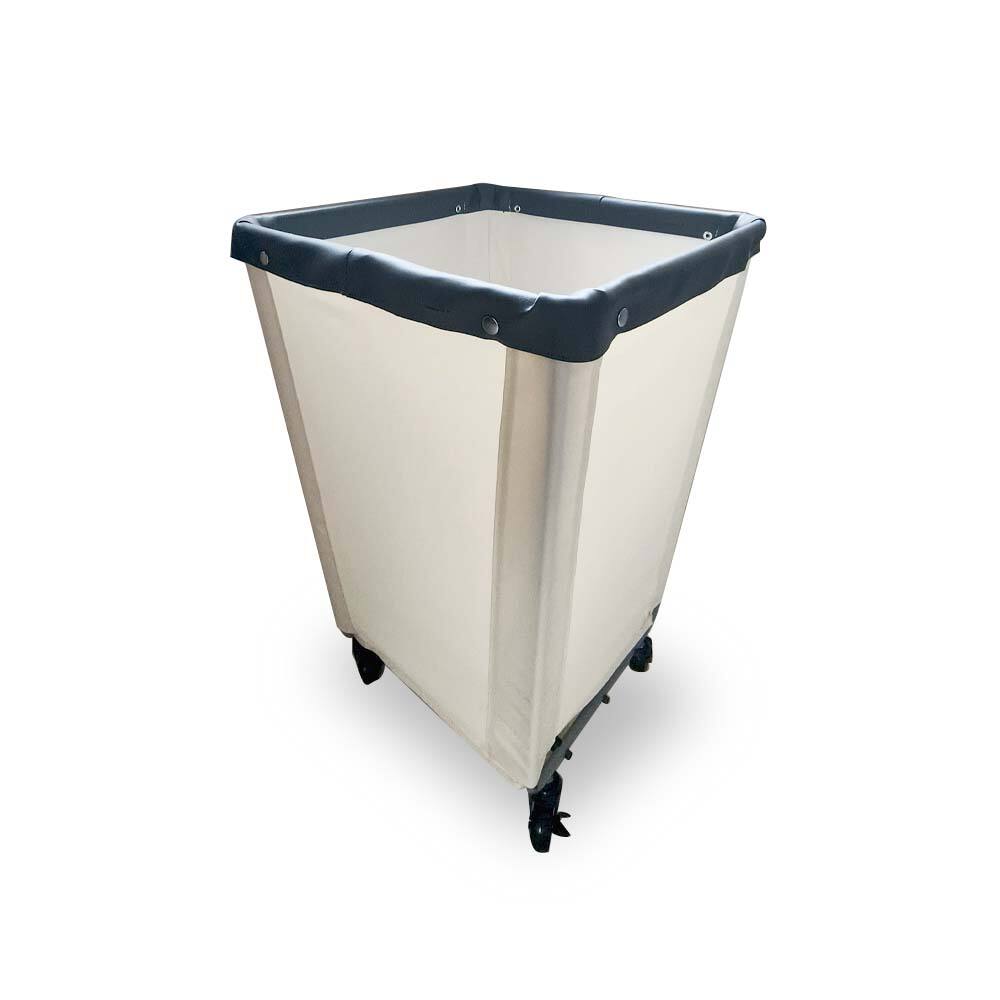
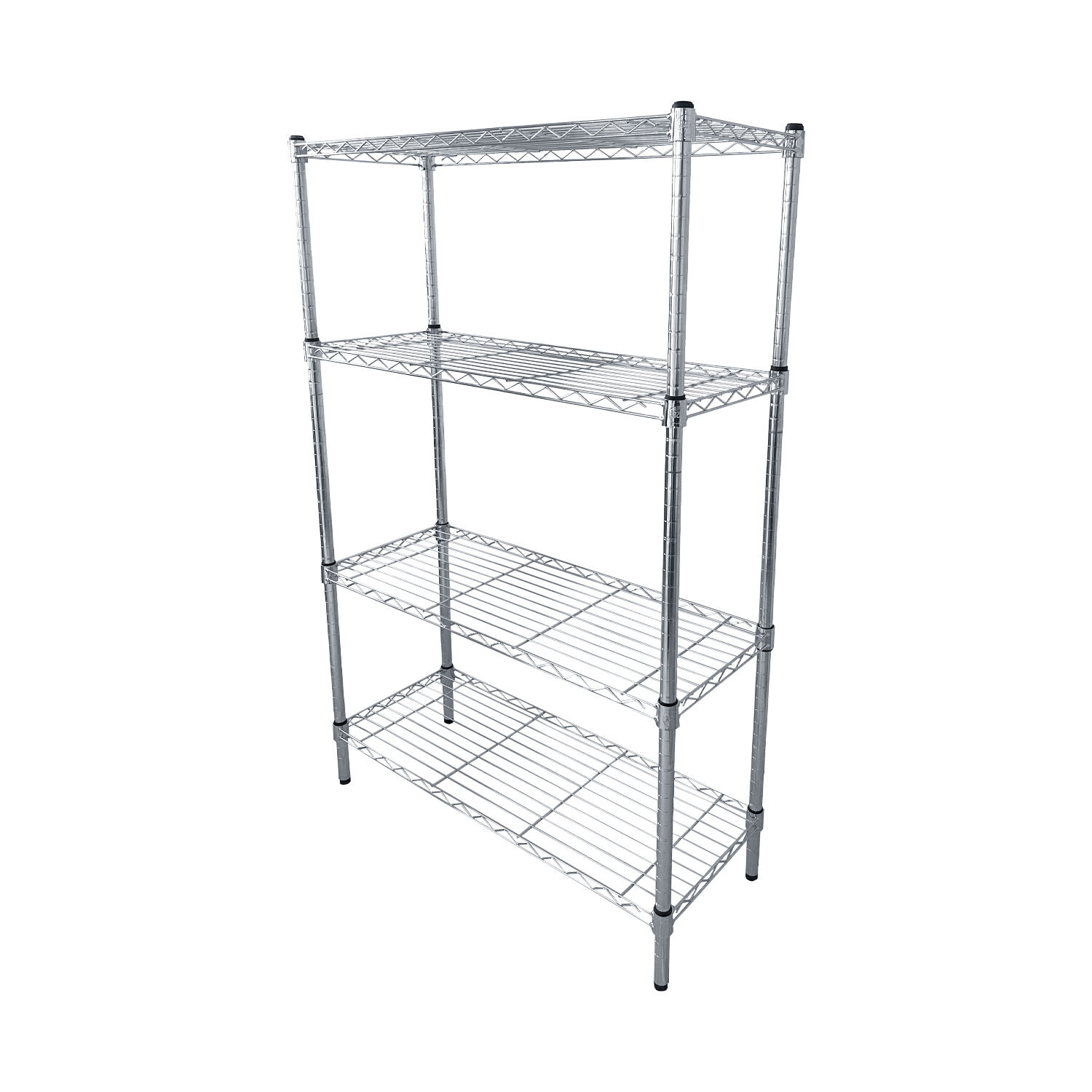
Large retail warehouses face constant pressure to maximize storage capacity while maintaining operational efficiency and inventory accessibility. Traditional storage methods often lead to wasted vertical space, disorganized inventory systems, and increased labor costs for stock retrieval and management. Stackable storage holders have emerged as a transformative solution that addresses these critical challenges by providing scalable, space-efficient storage systems specifically designed for high-volume retail operations.
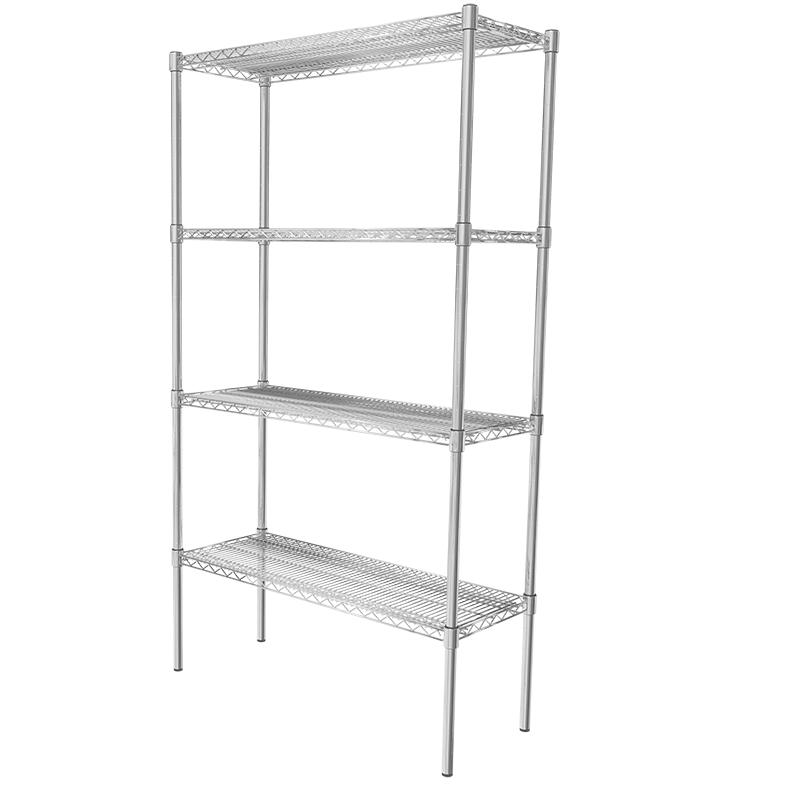
The implementation of stackable storage holders in large retail warehouses creates measurable improvements in storage density, inventory management accuracy, and operational workflow efficiency. These modular systems allow warehouse managers to adapt storage configurations dynamically based on seasonal demands, product categories, and changing inventory requirements while maintaining consistent accessibility and safety standards throughout the facility.
Stackable storage holders enable warehouse managers to utilize vertical space more effectively by creating customizable height configurations that match specific product dimensions and weight requirements. Unlike fixed shelving systems, these modular units can be stacked to optimal heights based on ceiling clearances, forklift reach capabilities, and safety regulations. This flexibility allows warehouses to increase storage capacity by 30-50% compared to traditional single-level storage methods.
The stackable design eliminates wasted space between storage levels while maintaining structural integrity under heavy loads. Each unit locks securely with adjacent holders, creating stable tower configurations that can accommodate varying product weights and sizes. This systematic approach to vertical storage maximizes the return on warehouse square footage investment while maintaining safe working conditions for warehouse personnel.
Warehouse operations benefit from the ability to adjust stack heights seasonally or based on inventory turnover rates. Fast-moving products can be stored in lower, more accessible configurations, while slower-moving inventory can utilize higher stack positions. This strategic placement reduces retrieval times and minimizes unnecessary material handling equipment usage throughout daily operations.
The engineering design of stackable storage holders incorporates load distribution principles that ensure structural stability across multi-level configurations. Each unit features reinforced contact points and weight-bearing surfaces that distribute loads evenly throughout the stack, preventing stress concentration that could lead to structural failure or product damage. This design approach allows warehouses to store heavy merchandise safely in vertical configurations.
Professional-grade stackable storage holders utilize interlocking mechanisms that create rigid connections between stacked units, eliminating lateral movement and reducing the risk of stack collapse during warehouse operations. These connections maintain stability even when individual units are partially loaded or when accessing products from intermediate stack levels. The resulting structural integrity supports safe warehouse operations and protects valuable inventory investments.
Weight capacity specifications for stackable storage holders accommodate the diverse product ranges typical in retail warehouse environments. From lightweight textiles to heavy appliances, these systems provide reliable storage solutions that maintain safety margins while maximizing storage density. Clear load rating documentation helps warehouse managers make informed decisions about stack configurations and product placement strategies.
Stackable storage holders improve inventory tracking accuracy by creating clearly defined storage zones that integrate seamlessly with warehouse management systems and barcode scanning technologies. Each stackable unit can be individually labeled and tracked, providing precise location data for every stored item. This granular tracking capability reduces inventory discrepancies and improves order fulfillment accuracy in large retail operations.
The modular nature of stackable storage holders allows warehouse managers to implement product categorization strategies that align with inventory management best practices. Similar products can be grouped in adjacent stacks, creating logical storage zones that simplify picking operations and reduce travel time for warehouse personnel. This organized approach minimizes picking errors and improves overall operational efficiency.
Integration with automated inventory systems becomes more effective when using standardized stackable storage holders throughout the warehouse. RFID tags and sensors can be mounted consistently across all units, enabling real-time inventory tracking and automated reorder notifications. This technological integration supports just-in-time inventory strategies that reduce carrying costs while maintaining adequate stock levels for retail operations.
The systematic arrangement of stackable storage holders creates optimized pick paths that reduce travel distances and improve order fulfillment speed in large retail warehouses. By organizing products in vertical configurations based on picking frequency and order patterns, warehouse operations can minimize the time required to complete picking routes while maintaining ergonomic working conditions for personnel.
Stackable storage holders support batch picking operations by allowing similar products to be stored in proximity while maintaining individual accessibility. Order pickers can collect multiple orders simultaneously by working through organized stack configurations, reducing the number of trips required to complete order fulfillment tasks. This efficiency improvement directly impacts labor costs and customer satisfaction through faster order processing times.
The modular design enables dynamic reconfiguration of storage layouts based on seasonal demand patterns or changes in product mix. Warehouse managers can relocate and restack holders to position high-demand products in optimal picking positions without requiring major infrastructure changes. This adaptability ensures that warehouse layouts remain optimized for current business requirements throughout changing market conditions.
Stackable storage holders reduce labor costs by improving workplace ergonomics and minimizing the physical strain associated with product retrieval and storage tasks. The adjustable height configurations allow warehouse managers to position frequently accessed items at optimal ergonomic levels, reducing bending, stretching, and lifting requirements for warehouse personnel. This ergonomic optimization leads to increased productivity and reduced worker fatigue throughout shift operations.
The organized nature of stackable storage systems reduces the time spent searching for products, allowing warehouse workers to focus on value-added activities rather than unproductive searching and reorganization tasks. Clear sight lines through organized stacks enable quick visual identification of products, while consistent storage patterns create predictable workflows that experienced personnel can navigate efficiently.
Training requirements for new warehouse personnel decrease when using standardized stackable storage holders throughout the facility. Workers learn a single system that applies across all storage areas, reducing onboarding time and improving operational consistency. This standardization also reduces the likelihood of storage errors that can lead to inventory discrepancies and order fulfillment problems.
The implementation of stackable storage holders reduces the need for expensive fixed shelving systems and permanent warehouse infrastructure modifications. These modular units can be deployed without structural changes to existing warehouse buildings, eliminating construction costs and minimizing operational disruption during implementation. The flexibility to reconfigure storage layouts without infrastructure changes provides ongoing cost advantages as business requirements evolve.
Material handling equipment requirements are optimized when using stackable storage holders because the systems are designed to work efficiently with standard warehouse equipment. Forklifts, pallet jacks, and other handling equipment can access stacked configurations safely and efficiently, reducing the need for specialized equipment purchases. The consistent dimensions and standardized handling points across stackable units improve equipment utilization rates and reduce maintenance requirements.
Energy costs in warehouse operations decrease when stackable storage holders enable more efficient space utilization and improved organization. Better space utilization reduces the need for warehouse expansion, while organized storage systems require less lighting and climate control for effective operations. The improved accessibility of products also reduces the operating time of material handling equipment, contributing to lower energy consumption and operating costs.
Stackable storage holders provide unmatched scalability for retail warehouses experiencing growth or seasonal fluctuations in inventory requirements. The modular design allows warehouse managers to add, remove, or reconfigure storage capacity quickly without disrupting ongoing operations. This flexibility enables retail operations to respond effectively to changing market demands without the delays and costs associated with fixed infrastructure modifications.
Seasonal inventory management becomes more efficient when using stackable storage holders because storage configurations can be adjusted to accommodate varying product volumes and seasonal merchandise requirements. During peak seasons, additional units can be deployed to increase storage capacity, while off-season periods allow for configuration changes that optimize space utilization for regular inventory levels. This adaptability ensures optimal warehouse efficiency throughout annual business cycles.
Product line expansions and new merchandise categories can be accommodated quickly using existing stackable storage holders rather than requiring new shelving installations. The standardized dimensions and universal compatibility of quality stackable systems enable rapid deployment of storage capacity for new products while maintaining consistent organization and accessibility standards throughout the warehouse facility.
The durability and reusability of stackable storage holders provide excellent long-term investment value for retail warehouse operations. Unlike fixed shelving systems that become obsolete when warehouse layouts change, stackable units retain their utility across different configurations and applications. This reusability protects capital investments and reduces the total cost of ownership for warehouse storage systems over extended periods.
The modular nature of stackable storage holders enables phased implementation strategies that spread capital investments over time while providing immediate operational benefits. Warehouses can start with core storage areas and gradually expand the system based on proven results and available budget resources. This approach reduces financial risk while allowing operations to realize benefits throughout the implementation process.
Return on investment calculations for stackable storage holders typically show positive results within 12-18 months due to the combination of increased storage capacity, reduced labor costs, and improved operational efficiency. The measurable benefits in space utilization, inventory accuracy, and productivity provide clear financial justification for the investment while supporting long-term competitive advantages in retail operations.
Most commercial-grade stackable storage holders for retail warehouses support 200-500 pounds per unit, with total stack capacities ranging from 1,000-2,500 pounds depending on configuration. The optimal weight capacity depends on your specific product mix, with heavier items like appliances requiring higher-capacity units while lighter merchandise like clothing can utilize standard-capacity holders. Always verify load ratings match your heaviest product categories and include safety margins for operational variations.
Stackable storage holders integrate seamlessly with most warehouse management systems through standardized labeling and location coding practices. Each unit can be assigned unique location identifiers that connect with barcode scanning, RFID tracking, and inventory management software. The consistent dimensions and mounting points accommodate sensors and tracking devices, enabling real-time inventory visibility and automated stock level monitoring throughout stacked configurations.
Maintenance requirements for quality stackable storage holders are minimal, typically involving monthly visual inspections of locking mechanisms and connection points, quarterly cleaning of contact surfaces, and annual load testing of high-use configurations. The modular design allows individual units to be removed for maintenance without disrupting entire storage areas. Regular maintenance schedules should include checking for wear on interlocking components and ensuring proper weight distribution across stack configurations.
Yes, stackable storage holders are designed to accommodate diverse product sizes and packaging types through adjustable internal configurations and various unit sizes. Many systems offer removable dividers, adjustable shelves, and different container depths to optimize storage for specific product categories. This flexibility allows a single stack to contain multiple product types while maintaining organization and accessibility, making them ideal for retail warehouses with diverse inventory requirements.
 Hot News
Copyright © 2026 Top Trust Biotechnology Co., Ltd All Rights Reserved Privacy policy
 EN
EN
 AR
AR
 FR
FR
 PT
PT
 ES
ES
 VI
VI
 BG
BG
 HR
HR
 CS
CS
 DA
DA
 NL
NL
 FI
FI
 DE
DE
 EL
EL
 HI
HI
 IT
IT
 JA
JA
 KO
KO
 NO
NO
 PL
PL
 RO
RO
 RU
RU
 SV
SV
 TL
TL
 IW
IW
 SK
SK
 SL
SL
 ET
ET
 HU
HU
 TH
TH
 TR
TR
 MS
MS
 IS
IS
 KA
KA
 BN
BN
 LA
LA
 MN
MN
 NE
NE
 UZ
UZ