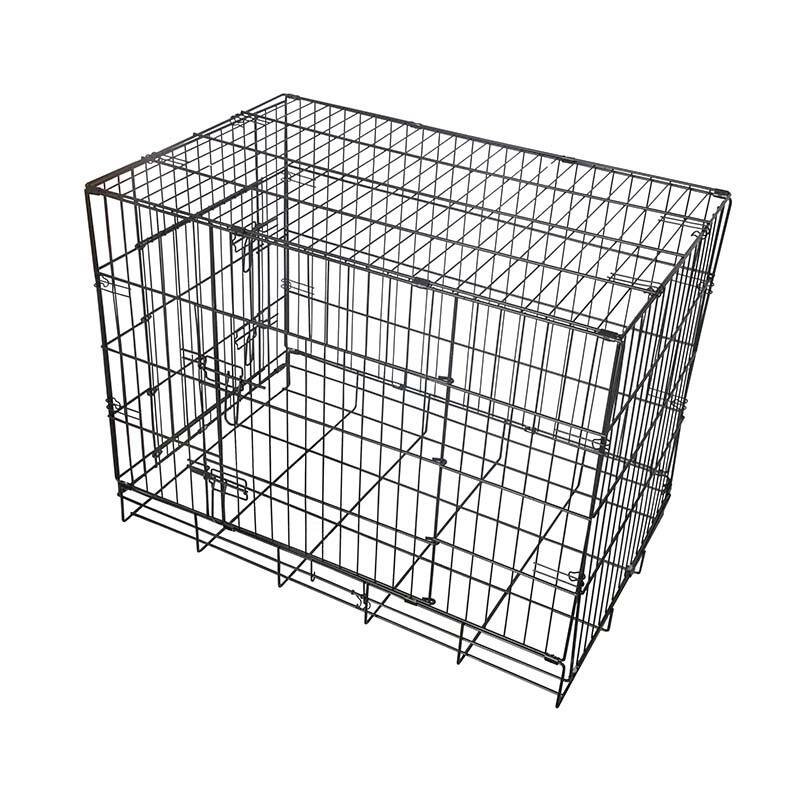
Pagbili kabalyero para sa Mga Hayop ang pagbili nang pampakalakal ay kumakatawan sa isang malaking pamumuhunan para sa mga tindahan ng alagang hayop, mga klinika ng veterinaryo, mga pampagamot na sentro para sa mga hayop, mga pasilidad sa pagpaparami ng hayop, at mga negosyo sa industriya ng hospitality na naglilingkod sa mga may-ari ng alagang hayop. Ang desisyon ay umaabot sa labas lamang ng simpleng pagsasaalang-alang sa gastos, dahil ang kalidad at katatagan ng mga mahahalagang solusyon sa pagkakakulong na ito ay direktang nakaaapekto sa kagalingan ng mga hayop, kahusayan ng operasyon, at pangmatagalang kita. Ang pagtiyak na ang mga kahon para sa alagang hayop na binibili nang pampakalakal ay sumusunod sa mahigpit na pamantayan ay nangangailangan ng isang sistematikong paraan na sinusuri ang integridad ng materyales, mga paraan ng paggawa, mga tampok sa kaligtasan, at ang kredibilidad ng mga tagapag-suplay. Ang komprehensibong gabay na ito ay nagbibigay ng mga praktikal na estratehiya upang tulungan ang mga negosyo na gumawa ng impormadong desisyon kapag kumuha ng mga kahon para sa alagang hayop sa dami, na pinoprotektahan ang kanilang pamumuhunan at ang mga hayop na nasa kanilang pananggapan.
Ang mga hamon na kaugnay sa pangkalahatang pagbili ng mga kulungan para sa alagang hayop ay lubhang iba sa mga pagbili ng isang yunit lamang, dahil ang mga hindi pagkakapareho sa kalidad ng paggawa ay lumalaki nang malaki sa mga malalaking order, at ang mga kahihinatnan ng mahinang tibay ay nakaaapekto sa buong pasilidad. Kailangan ng mga negosyo na magpatupad ng mga protokol sa pagpapatunay na tumutugon sa komposisyon ng materyales, inhinyeriyang istruktural, kalidad ng huling pagpapaganda, at pagganap ng paggamit bago magpasya sa malalaking order. Ang pag-unawa kung paano suriin ang mga mahahalagang kadahilanan na ito ay nagbabago sa pangkalahatang pagbili mula sa isang mapanganib na gawain patungo sa isang estratehikong kalamangan na nagbibigay ng maaasahang solusyon sa pagkakapos, nababawasan ang mga gastos sa pagpapalit, at pinapanatili ang pare-parehong pamantayan sa lahat ng operasyonal na yunit.
Ang pundasyon ng matitibay na kulungan para sa alagang hayop ay nagsisimula sa mga metal na materyales na ginagamit sa kanilang paggawa, dahil ang antas at paggamot sa bakal o aluminium ang direktang tumutukoy sa kahusayan ng istruktura at haba ng buhay nito. Kapag bumibili ng kulungan para sa alagang hayop nang pampakulo, dapat bigyan ng priyoridad ng mga negosyo ang mga tagapag-suplay na nagbibigay ng detalyadong mga teknikal na tukoy tungkol sa kapal ng metal, komposisyon ng alloy, at mga proseso ng paggamot upang maiwasan ang korosyon. Ang mataas na kalidad na kulungan para sa alagang hayop ay karaniwang gumagamit ng bakal na may pinakamababang kapal na nakakatumbok sa pagkabend sa ilalim ng presyon habang panatilihin ang angkop na timbang para sa paghawak at paglilipat. Dapat isinasaalang-alang ang galvanization o powder coating sa metal upang makabuo ng mga protektibong hadlang laban sa kahalumigmigan, ihi, at mga kemikal sa paglilinis na palaging sumusubok sa ibabaw ng kulungan sa mga operasyonal na kapaligiran.
Ang paghiling ng mga sertipiko ng materyales mula sa mga tagapag-suplay ay nagpapahintulot sa mga bumibili na i-verify na ang mga metal ay sumusunod sa mga pamantayan ng industriya para sa lakas at kaligtasan, lalo na kapag ginagamit para sa mga malalaking hayop o mga hayop na may mataas na antas ng aktibidad. Ang mga de-kalidad na kulungan ng alagang hayop ay karaniwang may mga bahagi na gawa sa stainless steel sa mga lugar na madalas magkaroon ng pagsuot tulad ng mga pandakot ng pinto, mga bisagra, at mga suporta ng sahig, dahil ang mga bahaging ito ay nakakaranas ng paulit-ulit na mekanikal na stress at kumikinabang mula sa napakahusay na paglaban sa korosyon. Dapat tiyakin ng mga bumibili na tanungin nang partikular ang mga rating ng tensile strength ng metal na ginagamit, upang siguraduhing lumalampas ito sa puwersa na maaaring ilabas ng mga hayop na nakakulong habang nasa normal na pag-uugali o reaksyon sa stress. Ang kalidad ng mga welded joint at mga punto ng koneksyon ay isa pang mahalagang pagsasaalang-alang sa materyales, dahil ang mga mababang kalidad na teknik sa pag-weld ay lumilikha ng mga mahinang punto na sumisira sa buong istruktura ng kulungan sa paglipas ng panahon.
Ang espasyo sa pagitan ng mga kawad sa mga kulungan ng alagang hayop ay may maraming tungkulin, kabilang ang pagpapahangin, pagkakakitaan, at seguridad sa pagpigil, kaya mahalaga ang pagsasaalang-alang sa sukat na ito para sa kagalingan ng mga hayop at epektibong operasyon. Ang tamang distansya ng mga kawad ay nakakapigil sa anumang pagtatangkang makatakas habang nagbibigay ng sapat na daloy ng hangin at oportunidad para sa interaksyon sa lipunan, kung saan ang pinakamainam na mga sukat ay nag-iiba depende sa layuning uri at kategorya ng laki ng hayop. Kapag sinusuri ang malalaking order ng mga kulungan ng alagang hayop, dapat suriin ng mga bumibili kung ang distansya ng mga kawad ay sumusunod o lumalampas sa mga pamantayan sa kaligtasan na nakakapigil sa pagkakasali ng mga extremidad, mga sugat sa ulo, o mga sitwasyon ng pagtakas na maaaring magdulot ng panganib sa mga hayop o makagambala sa operasyon ng pasilidad. Ang konfigurasyon ng mga disenyong kawad ay nakaaapekto rin sa kahusayan ng paglilinis, dahil ang mga disenyo na nagpapababa ng horizontal na ibabaw ay nababawasan ang pag-akumula ng basura at ginagawang mas simple ang mga protokol sa kalinisan.
Ang mataas na kalidad na kulungan ng alagang hayop ay may mga espasyo sa pagitan ng mga bakal na guhit na sumasalamin sa balanseng seguridad at kumportableng kapaligiran para sa hayop, na ikinakaiwas ang labis na sikip na disenyo na nakakapigil sa sirkulasyon ng hangin o lumilikha ng pakiramdam ng panghihina ng dibdib. Ang pagkakapare-pareho ng distansya sa pagitan ng mga bakal na guhit sa buong istruktura ng kulungan ay nagpapakita ng kahusayan sa paggawa; ang anumang pagkakaiba-iba ay maaaring magpahiwatig ng mahinang kontrol sa kalidad na maaari ring maging senyales ng iba pang kahinaan sa konstruksyon. Dapat humiling ang mga bumibili ng detalyadong mga teknikal na sukat para sa distansya sa pagitan ng mga bakal na guhit sa sahig, pader, at kisame, upang matiyak na ang mga nasabing sukat ay umaayon sa partikular na pangangailangan ng kanilang target na populasyon ng mga hayop. Ang tibay ng mga koneksyon ng bakal sa bawat punto ng pagkakasalba ay nagsasabi kung ang kulungan ay mananatiling may orihinal na hugis at istruktura nito sa ilalim ng patuloy na paggamit—isa itong mahalagang pamantayan sa pagsusuri lalo na sa malalaking bulk na pagbili.
Ang mga paraan na ginagamit upang i-join ang mga indibidwal na bahagi ng mga kulungan ng alagang hayop ay nagpapasya nang pangunat sa katatagan ng istruktura at haba ng buhay nito sa ilalim ng mga kondisyon ng operasyon. Ang mga de-kalidad na pamamaraan sa paggawa ay gumagamit ng patuloy na pag-weld sa mga mahahalagang punto ng stress imbes na spot welding, na lumilikha ng pantay na distribusyon ng lakas upang maiwasan ang pagkabigo ng mga sambungan sa buong panahon ng paggamit ng kulungan. kabalyero para sa Mga Hayop mga kulungan ng alagang hayop, ang mga bumibili ay dapat suriin ang mga sample na yunit para sa kalidad ng weld, na hanapin ang mga makinis at pare-parehong weld bead nang walang mga butas, porosity, o labis na spatter na nagpapahiwatig ng mababang antas ng kasanayan sa paggawa. Maaaring gamitin ang mga mekanikal na fastener tulad ng rivet o bolt bilang karagdagang suporta sa mga welded joint sa mga modular na disenyo, ngunit ang mga ito ay dapat may mga locking mechanism na nakakaiwas sa pagkaluwang dahil sa vibration o aktibidad ng hayop.
Kailangan ng partikular na atensyon ang pag-ingenyero ng mga sulok na kawit, dahil ang mga lugar na ito ay nagpapakonsentra ng mga puwersa mula sa maraming direksyon at madalas na kumakatawan sa unang mga punto ng pagkabigo sa mga kulungan ng alagang hayop na may mahinang konstruksyon. Ang mga tagagawa ng mataas na kalidad ay pinalalakas ang mga sulok gamit ang dagdag na materyales o mga elemento ng suporta upang ipamahagi ang stress sa mas malawak na mga surface area, na nagpapahaba ng praktikal na buhay ng buong istruktura. Dapat subukan ng mga bumibili nang pisikal ang integridad ng mga kawit sa pamamagitan ng paglalagay ng presyon sa iba’t ibang bahagi ng kulungan, at obserbahan kung ang mga koneksyon ay lumalaban nang labis o nagpapakita ng mga palatandaan ng kahinaan. Ang paraan ng konstruksyon ay dapat ding magbigay-daan sa pagre-repair o pagpapalit ng mga bahagi nang hindi kailangang itapon ang buong kulungan, dahil ang ganitong modularidad ay lubos na binabawasan ang pangmatagalang gastos sa pagmamay-ari para sa mga nakabili nang dami.
Ang disenyo ng balangkas ng mga kulungan ng alagang hayop ay nagtatakda ng kanilang kakayanan na suportahan ang timbang ng mga hayop na nakakulong dito kasama ang karagdagang karga mula sa mga aksesorya, matutulog na lugar, at pwersa mula sa interaksyon nang hindi nababago ang anyo o nabubuwal. Ang mga kulungan ng alagang hayop na may antas na propesyonal ay may mga balangkas na may heometriyang gumagamit ng triangulasyon upang ipamahagi ang mga pwersa at maiwasan ang mga galaw na nagpapahina sa istruktura sa paulit-ulit na paggamit. Kapag bumibili nang pampulkada, dapat hilingin ng mga buyer ang mga teknikal na detalye tungkol sa kapasidad ng karga, kabilang ang pinakamataas na timbang na maaaring suportahan sa ilalim ng mga kondisyon na static at dynamic, upang matiyak na ang mga kulungan ay maaaring ligtas na maglalaman ng tiyak na uri ng hayop sa buong inaasahang buhay ng serbisyo nito. Dapat panatilihin ng balangkas ang rigidity nito kapag ito ay binibigkas mula sa iba't ibang punto, dahil ang labis na flexibility ay nagpapahiwatig ng hindi sapat na inhinyeriyang istruktural na magpapabilis sa pagkasira at kabiguan.
Ang pagkakalat ng mga elemento ng suporta sa buong istruktura ng kulungan ay nagpapakita ng dedikasyon ng tagagawa sa tibay kumpara sa pagpapababa ng gastos, kung saan ang mga de-kalidad na disenyo ay may sapat na bracing upang maiwasan ang pagbaba ng sahig o pagyuko ng pader. Dapat subukan ng mga bumibili ng mga kulungan para sa alagang hayop para sa bulk purchase ang katatagan ng frame sa pamamagitan ng paglalagay ng lateral pressure sa iba't ibang puntos, at obserbahan kung ang istruktura ay babalik sa orihinal nitong posisyon nang walang permanenteng deformation. Ang base frame ay dapat bigyan ng espesyal na pansin dahil ito ang sumusuporta sa kabuuang timbang ng kulungan kasama ang dynamic loads mula sa galaw ng hayop, kaya kailangan ito ng matibay na konstruksyon na may angkop na cross-bracing. Ang mga premium na kulungan para sa alagang hayop ay madalas na may reinforced frames sa mga high-stress area na nailalarawan sa pamamagitan ng engineering analysis, na nagpapakita ng proaktibong diskarte sa tibay na nagpapaliwanag sa mas mataas na paunang gastos dahil sa mas mahabang interval ng pagpapalit.
Ang pag-andar ng pinto ay kumakatawan sa isang mahalagang konsiderasyon sa kaligtasan at operasyon para sa mga kulungan ng alagang hayop, dahil ang mga secure ngunit madaling ma-access na pasukan ay nagpapadali ng epektibong paghawak sa mga hayop habang pinipigilan ang hindi awtorisadong pagbukas o mga pagtatangkang tumakas. Ang de-kalidad na mekanismo ng pinto ay gumagana nang makinis sa loob ng libo-libong siklo nang walang pagkakahapo, pagkakamali sa pag-align, o pagbaba ng kalidad ng hardware na nakaaapekto sa seguridad o kaligtasan ng gumagamit. Kapag sinusuri ang mga bulk order ng mga kulungan ng alagang hayop, dapat subukan ng mga bumibili ang pag-andar ng pinto nang lubos, kasama ang pagsusuri sa tamang clearance, makinis na galaw ng pagbukas/pagsara, at tiyak na pagkakabit ng mga mekanismong pang-lock na tumututol sa manipulasyon mula sa loob at labas. Ang mga bisagra ay dapat may materyales at disenyo na laban sa corrosion at nakakapigil sa pag-alis ng mga pino, dahil ang mga bahaging ito ang unang nababago sa mga kulungan ng alagang hayop na may mababang kalidad kapag inilalantad sa matitinding kemikal sa paglilinis at kahalumigmigan.
Ang mga sistema ng pagkandado sa mga kagamitang pang-alaga sa alagang hayop na may propesyonal na antas ay dapat magbigay ng intuitive na operasyon para sa mga awtorisadong gumagamit habang isinasama ang mga mekanismong fail-safe na nakakaiwas sa di-inaasahang pagbukas habang ginagawa ang mga karaniwang gawain. Dapat suriin ng mga bumibili kung ang mga kandado ay sumasalig nang positibo kasama ang naririnig o napapansing feedback, upang wala nang kalituhan kung ang kagamitan ay ligtas na nakakandado. Ang hardware ng pagkandado ay dapat tumutol sa pagka-rust at panatilihin ang pare-parehong operasyon kahit na may kontaminasyon mula sa dumi, buhok, o mga materyales na ginagamit bilang kama ng hayop na karaniwan sa mga kapaligiran ng pangangalaga sa hayop. Maaaring maglingkod ang iba’t ibang konpigurasyon ng pinto sa iba’t ibang pangangailangan sa operasyon, kung saan ang ilang pasilidad ay nangangailangan ng mga pintong may access sa itaas para sa karaniwang pangangalaga at mga pintong may access sa harapan para sa paglipat ng hayop, kaya mahalaga ang pagtugma ng posisyon ng pinto sa inaasahang daloy ng gawain.
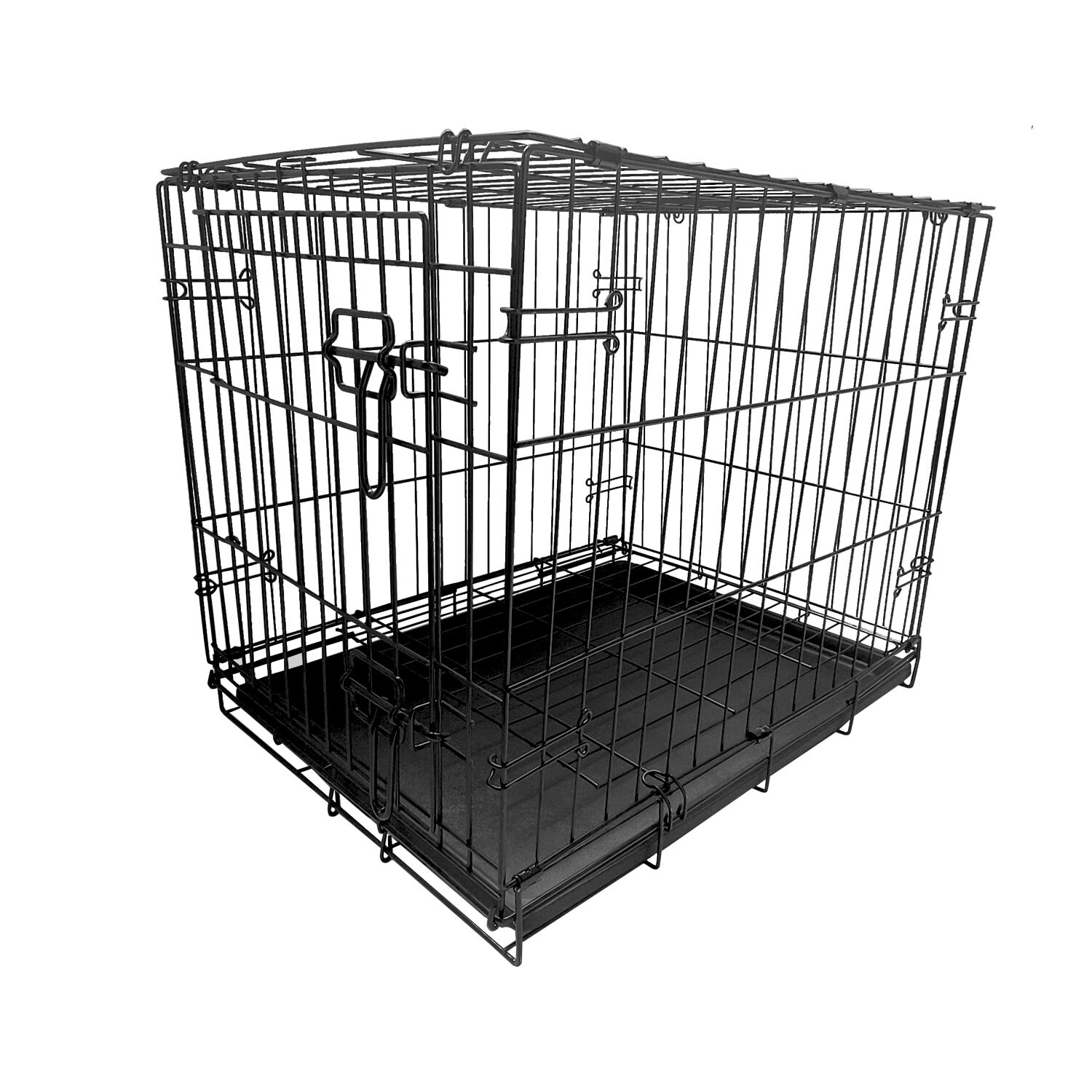
Ang sistema ng sahig ng mga kulungan ng alagang hayop ay may malaking epekto sa kumportableng pakiramdam ng hayop, pagpapanatili ng kalinisan, at pangmatagalang tibay, kaya kailangang mabuti ang pagsusuri nito kapag gumagawa ng desisyon para sa bulk na pagbili. Ang de-kalidad na disenyo ng sahig ay umaayon sa pangangailangan ng dumi sa pagbubuhos habang pinapanatili ang kumportableng pakiramdam ng hayop, na kadalasan ay may kasamang mga maaaring tanggalin na tray o mga sahig na may bakal na rehas upang maiwasan ang matagalang pagkontak sa dumi samantalang isinusuporta ang natural na posisyon ng katawan ng hayop. Kapag sinusuri ang mga kulungan ng alagang hayop para sa bulk na pagbili, dapat tingnan ng mga bumibili ang konstruksyon ng sahig para sa tamang espasyo sa pagitan ng mga bakal upang maiwasan ang mga sugat sa paa habang pinapahintulutan ang epektibong pagdaloy ng dumi patungo sa mga lugar ng koleksyon sa ilalim. Dapat ipakita ng sahig ang sapat na rigidity (kakayahang tumutol sa pagyuko) upang maiwasan ang labis na pagyuko sa ilalim ng bigat ng hayop, dahil ang mga flexible (nababaluktot) na sahig ay nagdudulot ng kawalan ng kumportableng pakiramdam at pabilis ng pagkapagod ng materyales.
Ang mga natatanggal na tray sa sahig sa mga kulungan ng alagang hayop na mahusay ang disenyo ay may makinis na mga ibabaw na hindi tinatablan ng gasgas at mantsa, na nagpapadali sa masusing paglilinis at pagdidisimpekta sa pagitan ng mga hayop na nakatira sa kanila. Ang mga materyales ng tray ay dapat makatiis sa paulit-ulit na pagkakalantad sa mga disinfectant, pressure washing, at mekanikal na paglilinis nang hindi nababaluktot, nabibitak, o nagkakaroon ng matutulis na gilid na maaaring makapinsala sa mga hayop o mga handler. Ang mga mamimiling sumusuri sa mga bulk order ay dapat magpatunay na ang mga bahagi ng sahig ay akmang-akma sa loob ng frame ng kulungan nang walang mga puwang na maaaring makakulong ng basura o magpahintulot sa mga pagtatangkang tumakas, dahil ang mga tolerance sa paggawa ay may malaking epekto sa parehong kalinisan at seguridad. Ang kadalian ng pag-alis at pagpapalit ng sahig ay nakakaimpluwensya sa kahusayan sa pagpapatakbo, lalo na sa mga pasilidad na may mataas na throughput kung saan ang mabilis na paglipat ng kulungan ay mahalaga para sa kakayahang mabuhay ng negosyo.
Ang pagpili ng mga mapagkakatiwalaang tagapag-suplay para sa bulk na pagbili ng mga kulungan ng alagang hayop ay nangangailangan ng malalim na pagsusuri sa kanilang kakayahan sa paggawa, mga sistema ng kontrol sa kalidad, at mga talaan ng negosyo na nagpapahiwatig ng pare-parehong paghahatid ng produkto. Dapat hilingin ng mga potensyal na bumibili ang detalyadong impormasyon tungkol sa mga pasilidad ng produksyon ng tagapag-suplay, kabilang ang mga sertipiko, mga protokol sa inspeksyon, at mga sistemang pangkalidad na namamahala sa mga proseso ng paggawa. Ang mga itinatag na tagapag-suplay ng de-kalidad na kulungan ng alagang hayop ay karaniwang may dokumentadong mga pamamaraan para sa pagpapatunay ng materyales, inspeksyon habang ginagawa, at pinal na pagsubok ng produkto upang matiyak ang pagkakapare-pareho sa malalaking bilang ng produksyon. Ang kahandaan ng tagapag-suplay na magbigay ng mga tour sa pasilidad, dokumentasyon ng proseso, at mga rekord ng kalidad ay nagpapakita ng transparensya na nauugnay sa maaasahang pagganap ng produkto.
Ang pagsusuri sa kasaysayan ng supplier sa mga katulad na malalaking order ay nagpapakita ng kanilang kakayahan na tupdin ang mga iskedyul ng paghahatid, panatilihin ang pagkakapare-pareho ng kalidad, at lutasin ang mga isyu na hindi maiiwasang lumilitaw sa mga transaksyon sa malaking saklaw. Dapat humiling ang mga buyer ng mga sanggunian mula sa mga nakaraang customer na bumili ng mga kulungan para sa alagang hayop sa katulad na dami, na tiyak na tanungin ang tungkol sa pagganap ng produkto, antas ng mga depekto, at bilis ng tugon ng supplier sa mga katanungan ukol sa kalidad. Ang pinansyal na katatagan at haba ng operasyon ng supplier ay nagbibigay ng kumpiyansa na ang mga pangako sa warranty at patuloy na suporta ay mananatiling magagamit sa buong buhay ng serbisyo ng kulungan. Ang mga propesyonal na supplier ng mga kulungan para sa alagang hayop ay karaniwang nag-ooffer ng detalyadong mga teknikal na tukoy sa produkto, suportang teknikal, at mga opsyon para sa pag-customize na nagpapakita ng malalim na kaalaman sa industriya at kakayahang umangkop sa produksyon na mahalaga upang matugunan ang iba't ibang pangangailangan ng mga customer.
Ang pagpapatupad ng mga sistematikong prosedura sa pagsusuri bago tanggapin ang malalaking kargamento ng mga kulungan para sa alagang hayop ay nagpaprotekta sa mga bumibili laban sa mga pagkakaiba sa kalidad na maaaring hindi agad makikita sa unang mga sample o sa dokumentasyon ng tagapag-suplay. Dapat suriin ng komprehensibong mga protokol sa pagsusuri ang isang estadistikong kahalagang sample mula sa bawat batch ng produksyon, kasama ang pagsusuri sa mga tukoy na materyales, katumpakan ng sukat, kalidad ng huling pagkakabuo, at pagganap ng paggamit ayon sa mga pinagkasunduang teknikal na tukoy. Dapat gumawa ang mga bumibili ng detalyadong mga listahan ng kailangang suriin na sumasaklaw sa lahat ng mahahalagang parameter ng kalidad, na may nakatakda nang obhetibong pamantayan para sa pag-approba upang maiwasan ang subhetibong penomeno at mga reklamo tungkol sa pagkakasunod ng produkto sa mga itinakdang pamantayan. Ang pisikal na pagsusuri sa mga sample na kulungan sa ilalim ng mga kondisyong imitasyon ng aktwal na paggamit ay nagbubunyag ng mga katangian ng tibay na hindi madetekta ng simpleng pagsusuri, kabilang ang lakas ng mga sambungan, haba ng buhay ng pagpapatakbo ng pinto, at resistensya sa karaniwang mga paraan ng pagkabigo.
Ang mga serbisyo ng pagsusuri ng ikatlong partido ay nag-aalok ng independiyenteng pagpapatunay sa kalidad ng mga kulungan para sa alagang hayop para sa mga bumibili na walang panloob na ekspertisya o mga yaman upang maisagawa ang malalim na pagsusuri sa mga bulk order. Ang mga propesyonal na tagasuri na ito ay gumagamit ng mga pamantayan sa pamamaraan ng pagsusuri at nagbibigay ng obhetibong mga ulat na nagdodokumento ng pagkakasunod sa mga teknikal na tukoy, na nagpapahintulot sa mga bumibili na magdesisyon nang may kaalaman bago ipagkaloob ang bayad o ilunsad ang produkto. Ang pagtatatag ng malinaw na mga kriteria sa pagtanggap sa mga kasunduan sa pagbili ay nagpaprotekta sa mga bumibili sa pamamagitan ng pagtukoy sa mga solusyon para sa mga kahinaan sa kalidad, kabilang ang bahagyang pagtanggi, pag-aadjust sa presyo, o kumpletong kanselasyon ng order kapag ang mga kulungan para sa alagang hayop ay hindi sumusunod sa napagkasunduang mga pamantayan. Dapat din suriin ng proseso ng pagsusuri kung ang pakete ay sapat na protektibo sa mga kulungan habang nakakalipat at nakakaimbak, dahil ang pinsala mula sa hindi sapat na packaging ay sumisira sa kalidad ng produkto anuman ang kahusayan ng paggawa.
Ang tibay ng mga kulungan para sa alagang hayop ay hindi isang tiyak na katangian kundi isang relatibong sukatan ng kung gaano kahusay ang pagganap ng produkto sa ilalim ng mga tiyak na kondisyon ng operasyon at mga pattern ng paggamit. Dapat malinaw na tukuyin ng mga bumibili ang kanilang mga kinakailangan sa aplikasyon, kabilang ang uri ng hayop, saklaw ng sukat, tagal ng pagkakakulong, at mga kondisyon sa kapaligiran na magdudulot ng stress sa mga kulungan sa buong kanilang panahon ng paggamit. Ang mga pasilidad na nag-iimbak ng malalaking at aktibong aso ay nangangailangan ng lubhang iba’t ibang mga teknikal na pamantayan para sa kulungan kumpara sa mga pasilidad na nag-aalaga ng maliit na mga hayop na kasama, kung saan ang kapal ng materyales, lakas ng pinto, at pagpapalakas ng balangkas ay dapat na naaayon sa laki at kalikasan ng hayop upang maiwasan ang pagkabigo sa ilalim ng inaasahang kondisyon ng paggamit. Ang dalas ng paglilinis ng kulungan, ang uri ng mga disinfectant na ginagamit, at ang mga kadahilanan sa kapaligiran tulad ng labis na temperatura o antas ng kahalumigmigan ay lahat nakaaapekto sa kung aling disenyo ng kulungan para sa alagang hayop ang magbibigay ng pinakamahusay na tibay.
Ang pagpapahayag ng detalyadong mga kinakailangan sa aplikasyon sa mga tagapag-suplay ay nagbibigay-daan sa kanila na iminumungkahi ang angkop na mga espesipikasyon para sa kages o i-customize ang mga karaniwang disenyo upang tugunan ang mga tiyak na pangangailangan sa tibay. Dapat bigyan ng komprehensibong deskripsyon ng mga sitwasyon ng paggamit ang mga buyer upang matulungan ang mga tagapag-suplay na maunawaan ang mga stress na kakaranas ng mga kage para sa alagang hayop, na nagpapahintulot sa mga koponan ng teknikal na kilalanin ang mga posibleng mahinang bahagi at imungkahi ang mga pagbabago sa disenyo na magpapahaba ng buhay ng serbisyo. Ang inaasahang tagal ng paggamit bilang tirahan ay may malaking epekto sa pagpili ng kage, dahil ang mga aplikasyon para sa pansamantalang tirahan ay maaaring tumanggap ng mas magaan na konstruksyon kumpara sa mga sitwasyon ng permanenteng kennel na nangangailangan ng maaasahang pagganap sa loob ng ilang taon. Ang eksaktong pagtutugma ng mga espesipikasyon ng kage sa mga layuning aplikasyon ay nakakaiwas sa parehong sobrang espesipikasyon na sumisira sa mga yaman at kulang na espesipikasyon na nagdudulot ng maagang pagkabigo at dagdag na gastos sa pagpapalit.
Kahit ang mga kulungan para sa alagang hayop na may pinakamataas na kalidad ay nangangailangan pa rin ng pangangalaga upang mapanatili ang optimal na pagganap sa buong buhay ng operasyon nito, kaya ang kadalian ng pangangalaga ay isang mahalagang pagsasaalang-alang sa tibay para sa mga bulk buyer. Ang mga disenyo ng kulungan na nagpapadali sa regular na inspeksyon, paglilinis, at pagpapalit ng mga bahagi ay nagbibigay-daan sa mga pasilidad na palawigin ang buhay ng serbisyo sa pamamagitan ng proaktibong pangangalaga imbes na reaktibong pagpapalit ng mga nasirang yunit. Kapag tinutukoy ang mga kulungan para sa alagang hayop para sa bulk purchase, dapat suriin ng mga buyer ang availability at presyo ng mga bahaging maaaring palitan tulad ng mga lock ng pinto, mga tray ng sahig, at mga fastener—na karaniwang sumisira nang mas maaga kaysa sa mga istruktural na bahagi na nangangailangan ng pagpapalit. Ang mga supplier na may stock ng karaniwang mga bahaging maaaring palitan at nagbibigay ng detalyadong gabay sa pangangalaga ay nagpapakita ng kanilang dedikasyon sa pangmatagalang tagumpay ng customer nang lampas sa unang benta ng produkto.
Ang pagbuo ng mga pamantayan sa pagpapanatili na nakatuon sa mga modelo ng kahon para sa alagang hayop na binibili ay nagpapatiyak ng pare-parehong pangangalaga sa lahat ng yunit, na nagpipigil sa maagang pagkabigo dahil sa pagkawala ng atensyon o hindi tamang paggamit. Ang mga regular na iskedyul ng inspeksyon ay dapat tumutugon sa mga mahahalagang bahagi na madaling wear out, tulad ng mga bisagra, mga lock, at mga suporta sa sahig, upang maagapan ang anumang pagbaba ng kalidad bago ito umabot sa punto ng kumpletong pagkabigo. Ang kadalian ng pagkakahati ng kahon para sa malalim na paglilinis ay nakaaapekto sa parehong antas ng kalinisan at buhay ng mga bahagi, dahil ang mga kahon na hindi madaling linisin nang lubusan ay nagtatago ng mga kontaminante na pabilis sa pagkasira ng materyales. Dapat humiling ang mga bumibili ng mga manwal sa pagpapanatili at mga materyales para sa pagsasanay kapag nagbibili ng kahon para sa alagang hayop sa malaking dami, upang matiyak na ang kanilang mga tauhan ay may sapat na kaalaman sa tamang proseso ng pangangalaga na magpapahaba ng buhay ng kagamitan at magpapataas ng kabuuang kita mula sa investasyon.
Para sa mga kubol ng alagang hayop na may kalidad na pangpropesyonal at angkop para sa komersyal na aplikasyon, tukuyin ang minimum na kapal ng bakal na 11-gauge para sa mga pangunahing balangkas at 14-gauge para sa mga bahagi ng wire mesh, kung saan ang lahat ng ibabaw ng metal ay protektado ng mainit na pagkakalaban (hot-dip galvanization) o ng electrostatically applied powder coating na may kapal na higit sa 2-mil. Kailangan ding inspeksyunin nang biswal ang lahat ng welded joints at sumunod sa mga pamantayan sa structural welding ng AWS D1.1, kasama ang patuloy na pagweld sa lahat ng mga koneksyon na nagdadala ng beban. Ang hardware ng pinto ay dapat gumamit ng stainless steel o zinc-plated na mga sangkap na may kakayahang tumutol sa corrosion na katumbas ng ASTM B117 salt spray testing sa loob ng hindi bababa sa 500 oras. Humiling ng mga sertipiko ng materyales na nagpapatunay sa pagkakasunod sa mga teknikal na pananaw na ito para sa bawat batch ng produksyon sa iyong bulk order.
Kumusta ang mga serbisyo ng inspeksyon mula sa isang independiyenteng ikatlong partido upang magpatupad ng pagsusuri sa lugar sa pasilidad ng supplier at isagawa ang pre-shipment inspection ng iyong bulk order ng mga kahon para sa alagang hayop bago ito umalis sa pabrika. Humiling ng detalyadong mga litrato at video na nagdo-document ng mga proseso ng produksyon, mga punto ng quality control, at mga katangian ng natapos na produkto para sa mga random na sample mula sa iyong order. Ipaningil sa supplier na magbigay ng mga sertipiko mula sa mga kilalang laboratoryo ng pagsusuri na nasisiguro ang mga espesipikasyon ng materyales, kapasidad sa pagkarga, at pagkakasunod sa mga pamantayan sa kaligtasan. Ipasimula ang isang pilot purchase gamit ang mas maliit na dami bago pa lubos na mag-commit sa buong bulk order, upang makapagbigay ng masusing field evaluation sa ilalim ng tunay na kondisyon ng operasyon. Humiling ng detalyadong mga termino ng warranty at mga sanggunian mula sa mga customer na may katulad na bulk purchase na maaaring patunayan ang pangmatagalang pagganap ng produkto.
Ang mga propesyonal na tagapag-suplay ng mataas na kalidad na kulungan para sa alagang hayop ay karaniwang nag-ofer ng mga warranty sa istruktura na may tagal na 3–5 taon para sa komersyal na aplikasyon, na sumasaklaw sa mga depekto sa paggawa sa mga materyales at pagkakagawa, ngunit hindi kasali ang pinsala dahil sa maling paggamit, pagbabago, o normal na pagsuot ng mga bahaging madaling maubos. Ang mga makatuwirang kasunduan sa warranty ay dapat nang tukuyin ang kapalit o pagkukumpuni ng mga depektibong yunit nang walang karagdagang bayad sa pagpapadala, at ang oras ng tugon ay hindi dapat lalampas sa 30 araw mula sa pag-abiso tungkol sa depekto. Ang mga bahaging hardware tulad ng mga lock at bisagra ay karaniwang may mas maikling warranty na 1–2 taon dahil sa kanilang mekanikal na pagkasuot. Siguraduhing malinaw na tinutukoy ng mga termino ng warranty ang mga proseso sa inspeksyon at dokumentasyon para sa mga reklamo ukol sa depekto, at i-verify na ang tagapag-suplay ay may sapat na imbentaryo ng mga kapalit na bahagi upang tuparin ang mga obligasyon sa warranty sa buong panahon ng saklaw nito.
Itakda ang mga skedyul ng pagbabayad na nakasalalay sa pagpapalabas ng pondo sa mga nakatatakda at napatunayang milestone sa kalidad, na karaniwang nagsisimula sa 30% na deposito kapag kinumpirma na ang order, 40% kapag natapos na ang produksyon kasama ang kasiya-siyang resulta ng inspeksyon, at ang huling 30% matapos ang paghahatid at pagsusuri sa pagtanggap sa inyong pasilidad. Itakda ang malinaw na mga pamantayan sa pagtanggap ng kalidad sa kasunduan sa pagbili, na nagtutukoy ng mga prosedura sa inspeksyon, ang katanggap-tanggap na porsyento ng depekto, at mga solusyon para sa mga produkto na hindi sumusunod sa mga tadhana—kabilang ang karapatan sa bahagyang pagtanggi at pag-aadjust ng presyo. Isaalang-alang ang paggamit ng mga letter of credit na may klausula sa inspeksyon na nangangailangan ng sertipikasyon sa kalidad mula sa isang panlabas na ahensya bago maipalabas ang bayad, upang magbigay ng pansariling impluwensya sa pananalapi upang matiyak ang pagsunod ng supplier sa mga tadhana. Mag-usap tungkol sa pag-iingat ng isang halaga (retention amount) sa loob ng 30–90 araw matapos ang pag-install upang tugunan ang mga nakatagong depekto na hindi napapansin sa unang inspeksyon, na lumilikha ng pananagutan para sa pangmatagalang pagganap ng mga bulk order ng kulungan para sa alagang hayop.

Copyright © 2026 Top Trust Biotechnology Co., Ltd Lahat ng Karapatan ay Nakareserba Patakaran sa Pagkakapribado
 EN
EN
 AR
AR
 FR
FR
 PT
PT
 ES
ES
 VI
VI
 BG
BG
 HR
HR
 CS
CS
 DA
DA
 NL
NL
 FI
FI
 DE
DE
 EL
EL
 HI
HI
 IT
IT
 JA
JA
 KO
KO
 NO
NO
 PL
PL
 RO
RO
 RU
RU
 SV
SV
 TL
TL
 IW
IW
 SK
SK
 SL
SL
 ET
ET
 HU
HU
 TH
TH
 TR
TR
 MS
MS
 IS
IS
 KA
KA
 BN
BN
 LA
LA
 MN
MN
 NE
NE
 UZ
UZ
 Balitang Mainit