Ang pagpili ng tamang mga kabihasnang kagamitan para sa alagang hayop ay hindi lamang isang desisyon sa pagbili kundi pati na rin isang pananagutan na direktang nauugnay sa kagalingan ng mga hayop, reputasyon ng brand, at pangmatagalang paglago ng negosyo. Para sa mga retailer at distributor, ang mga pamantayan sa kaligtasan ay mahalagang sukatan na nakaaapekto sa tiwala ng customer, pagsunod sa regulasyon, at pagganap pagkatapos ng benta. Ang mga kabihasnang kagamitan para sa alagang hayop na sumusunod sa mga kinikilalang kinakailangan sa kaligtasan ay tumutulong na bawasan ang mga panganib sa produkto, mababaan ang bilang ng mga balik, at palakasin ang kredibilidad sa kompetitibong merkado ng mga produkto para sa alagang hayop. Sa pamamagitan ng pag-unawa kung paano nalalapat ang mga pamantayan sa kaligtasan sa mga kabihasnang kagamitan para sa alagang hayop, ang mga bumibili ay makakagawa ng impormadong desisyon na protektahan ang parehong mga alagang hayop at interes ng negosyo.
Ang mga Wholesale Pet Cages ay karaniwang ibinebenta sa iba’t ibang bansa, kaya lalo pang mahalaga ang mga pandaigdigang balangkas para sa kaligtasan. Ang mga karaniwang pamantayan ay nakatuon sa kahusayan ng istruktura, kaligtasan ng materyales, distansya sa pagitan ng mga bar, at tibay ng coating. Ang mga retailer na nagmumula ng mga Wholesale Pet Cages ay dapat suriin kung ang mga produkto ay sumusunod sa mga kinikilalang regulasyon sa kanilang target na merkado. Ang pagsunod sa mga regulasyong ito ay nagsisiguro na ang mga kubol ay angkop para sa mga alagang hayop ng iba’t ibang sukat at uri, habang pinabababa ang panganib ng pinsala.
Bukod sa pangkalahatang regulasyon, maraming Wholesale Pet Cages ang sumasailalim sa karagdagang pagsusuri tungkol sa kapasidad ng beban, paglaban sa impact, at paglaban sa corrosion. Ang mga pagsusuring ito ay kumakatawan sa tunay na kondisyon ng paggamit, tulad ng pagtalon, pagkagat, o pagpindot ng mga alagang hayop sa mga panel ng kubol. Ang pagpili ng mga Wholesale Pet Cages na nakapasa sa standardisadong pagsusuri ay tumutulong sa mga retailer na maiwasan ang mga nakatagong panganib sa kaligtasan.
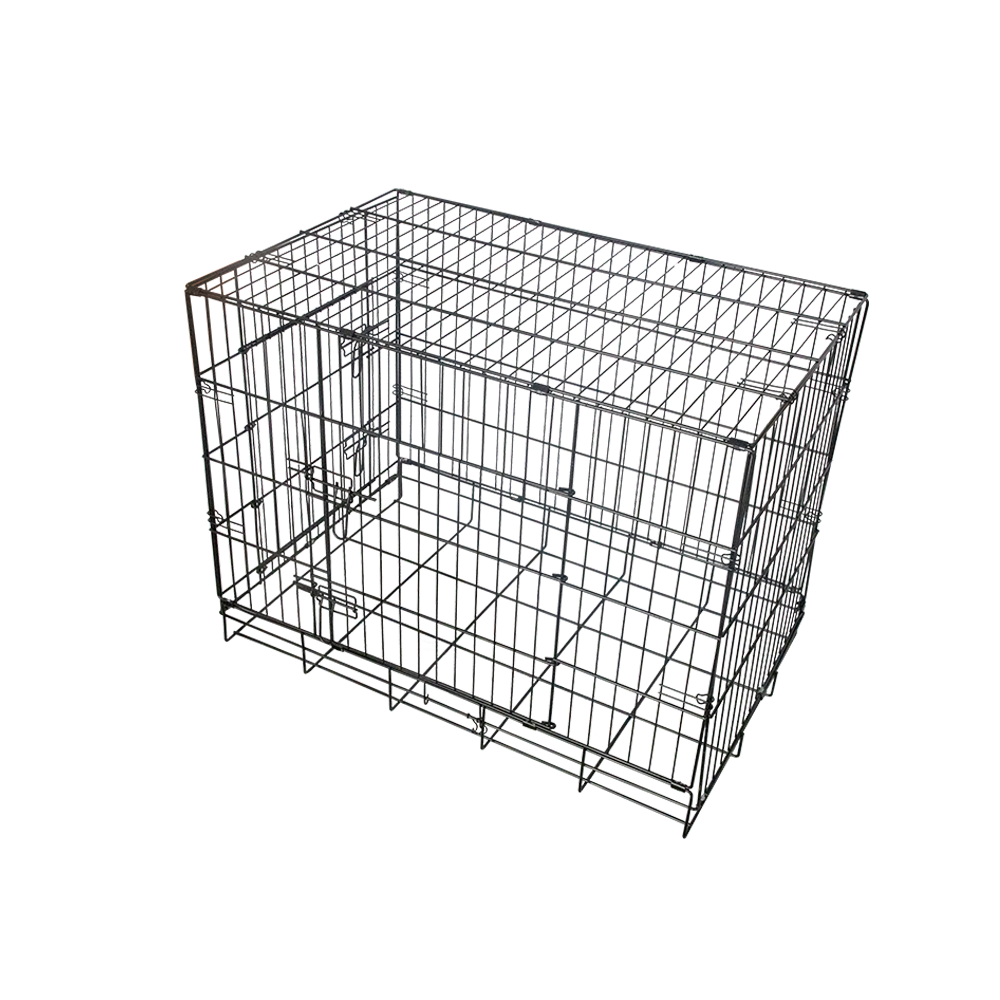
Ang metal ay isa sa mga pinakakaraniwang materyales na ginagamit sa mga Pet Cage na binibili nang buong-buo. Ang mataas na kalidad na bakal o bakal na wire ay nagbibigay ng lakas at tibay, ngunit ang kaligtasan ay nakasalalay sa tamang kapal, kalidad ng pag-weld, at paggamot sa ibabaw. Dapat kumpirmahin ng mga retailer na ang mga Pet Cage na binibili nang buong-buo ay may makinis na weld at bilog na gilid upang maiwasan ang mga sugat o abrasyon. Mahalaga rin ang pare-parehong distansya ng wire upang maiwasan ang pagkakapit ng ulo o mga extremidad ng alagang hayop.
Ang coating na inilalagay sa mga Pet Cage na binibili nang buong-buo ay may malaking papel sa kaligtasan. Ang powder coating at non-toxic plating ay nagpaprotekta laban sa rust habang pinipigilan ang pagkalantad sa kemikal. Maaaring mag-chip o mag-peel ang mga mababang kalidad na coating, na nagdudulot ng matutulis na gilid o toxic residue. Ang mga Pet Cage na binibili nang buong-buo na may certified at ligtas na coating para sa alagang hayop ay may mas mahabang buhay ng serbisyo at mas ligtas na pang-araw-araw na paggamit.
Isang nakalilimutang aspeto ng kaligtasan ng mga Wholesale Pet Cages ay ang disenyo ng pinto. Ang mga mekanismong pang-lock na ligtas ay nagpipigil sa hindi sinasadyang paglabas habang nagbibigay-daan naman sa madaling pagpasok para sa pagpapakain at paglilinis. Dapat suriin ng mga retailer kung ang mga Wholesale Pet Cages ay gumagamit ng mga pinalalakas na bisagra at mga takip na maaasahan na hindi madaling buksan ng mga alagang hayop.
Dapat manatiling matatag ang mga Wholesale Pet Cages kahit kapag aktibong gumagalaw ang mga alagang hayop sa loob nito. Ang mahinang balanseng istruktura o ang magaan na frame ay nagdaragdag ng panganib na ma-overturn. Ang mga Wholesale Pet Cages na nakatuon sa kaligtasan ay idinisenyo na may pinalalakas na base, mga paa na anti-slip, o balanseng layout ng mga panel upang mapanatili ang katatagan sa iba’t ibang uri ng ibabaw.
Ang pagpili ng tamang sukat ay isang pangunahing kadahilanan ng kaligtasan. Ang mga Pet Cage na ibinebenta sa buong-buo ay dapat magbigay ng sapat na espasyo para sa mga alagang hayop upang tumayo, umikot, at magpahinga nang kumportable. Ang sobrang maliit na mga kabaong ay maaaring limitahan ang paggalaw, na nagdudulot ng stress o pinsala. Dapat mag-alok ang mga retailer ng mga Pet Cage na ibinebenta sa buong-buo sa maraming sukat upang tugma sa iba't ibang lahi ng alagang hayop at mga yugto ng paglaki nito.
Ang espasyo sa pagitan ng mga bar ay direktang nakaaapekto sa kaligtasan ng alagang hayop. Ang sobrang maluwang na espasyo ay nagpapataas ng panganib na makatakas, samantalang ang sobrang makitid na espasyo ay maaaring limitahan ang daloy ng hangin. Ang mga maayos na disenyo ng mga Pet Cage na ibinebenta sa buong-buo ay nagbabalanse ng ventilasyon at pagkakakulong, na nagsisigurado na ligtas ang mga alagang hayop nang hindi napipinsala ang kanilang kumportabilidad.
Ang mga mapagkakatiwalaan na tagapag-suplay ng Whole Sale na kabaong para sa alagang hayop ay karaniwang gumagana sa ilalim ng isang istrukturadong sistema ng pamamahala ng kalidad. Ang mga sistemang ito ay sumusuri at kontrolado sa pagkuha ng materyales, mga proseso ng produksyon, at huling inspeksyon. Dapat bigyan ng priyoridad ng mga retailer ang mga Whole Sale na kabaong para sa alagang hayop na ginawa sa mga pasilidad na may dokumentadong prosedura sa kalidad upang matiyak ang pagkakapare-pareho sa bawat batch.
Ang mga ulat ng independiyenteng pagsusuri ay nagdaragdag ng karagdagang antas ng garantiya. Ang mga Whole Sale na kabaong para sa alagang hayop na kasama ang mga sheet ng impormasyon sa kaligtasan ng materyales (MSDS) o mga sertipiko ng inspeksyon ay nagpapakita ng pananagutan ng tagapag-suplay. Ang naturang dokumentasyon ay nagpapadali sa mga pagsusuri sa pagkakasunod-sa-panuntunan at nagtatayo ng tiwala kapag ibinebenta sa mga customer na sensitibo sa kaligtasan.
Bago magpasya sa mga bulk order, dapat gawin ng mga retailer ang pansariling pagsusuri sa mga Wholesale Pet Cages. Ang pagsusuri para sa mga matatalas na gilid, hindi pantay na mga welding, o hindi stable na mga sambungan ay tumutulong na maagap na matukoy ang mga posibleng isyu sa kaligtasan. Ang pisikal na pagsubok—tulad ng paglalagay ng presyon sa mga panel—ay nagbubunyag ng mga kahinaan na maaaring hindi makikita sa panlabas na anyo.
Ang paghingi ng mga sample ay isang praktikal na paraan upang suriin ang mga Wholesale Pet Cages. Ang mga sample ay nagbibigay-daan sa mga retailer na pahalagahan ang kalidad ng paggawa, katatagan ng finishing, at kadalian ng pag-aassemble. Ang hakbang na ito ay nababawasan ang panganib ng mahal na mga kamalian kapag dinadagdagan ang dami ng pagbili.
Bagaman ang presyo ay palaging isang kadahilanan, ang pagpili ng pinakamurang Wholesale Pet Cages ay maaaring magdulot ng mas mataas na pangmatagalang gastos dahil sa mga return, reklamo, o mga isyu sa regulasyon. Ang mga Wholesale Pet Cages na sumusunod sa mga pamantayan sa kaligtasan ay nag-ooffer ng mas mahusay na halaga sa pamamagitan ng pagbawas ng mga problema pagkatapos ng benta at pagpapalakas ng loyalidad ng mga customer.
Ang mga retailer na konstanteng nag-ooffer ng ligtas na Wholesale Pet Cages ay itinataguyod ang kanilang sarili bilang mapagkakatiwalaan na supplier. Ang ganitong reputasyon ay sumusuporta sa pagpapalawak patungo sa mga bagong merkado kung saan maaaring mas mataas ang mga inaasahang pamantayan sa kaligtasan. Sa paglipas ng panahon, ang pagkuha ng produkto na may pokus sa kaligtasan ay naging isang kompetitibong vantahi imbes na isang limitasyon.
Ang mga malakas na supplier ay handang talakayin nang bukas ang mga espesipikasyon sa kaligtasan. Ang mga retailer na kumu-kurso ng Wholesale Pet Cages ay dapat bigyan ng priyoridad ang mga kasosyo na nagbibigay ng malinaw na sagot tungkol sa mga materyales, pagsusuri, at pagkakasunod-sunod sa regulasyon. Ang transparensya ay binabawasan ang mga maling pag-unawa at sumusuporta sa pangmatagalang pakikipagtulungan.
Ang mga pamantayan sa kaligtasan ay umuunlad sa paglipas ng panahon. Ang mga mapagkakatiwalaang supplier ng Wholesale Pet Cages ay nag-iinvest sa mga pagpapabuti sa disenyo at sa mga bagong materyales upang tupdin ang mga bagong kinakailangan. Ang pakikipagtulungan sa ganitong mga kasosyo ay nagsisigurado na ang mga inaalok na produkto ay nananatiling sumusunod sa regulasyon at aktwal habang nagbabago ang mga inaasahan ng merkado.
Ang mga pangunahing katangian ay kinabibilangan ng makinis na mga weld, hindi toxic na coating, ligtas na mga lock, matatag na istruktura, at angkop na espasyo sa pagitan ng mga bar. Ang mga elemento na ito ay sama-sama nangangalaga sa mga alagang hayop habang ginagamit araw-araw.
Ang mga retailer ay maaaring humiling ng mga ulat sa pagsusuri, mga dokumentong sertipiko, at mga sample ng produkto. Ang paggawa ng visual inspection at pagsusuri sa sistema ng kalidad ng supplier ay nakakatulong din upang mapatunayan ang pagkakasunod-sunod.
Iba-iba ang mga pamantayan sa kaligtasan depende sa sukat, uri, at ugali ng alagang hayop. Dapat piliin ang Whole Sale na Kabaong para sa Alagang Hayop batay sa tiyak na pangangailangan ng mga aso, pusa, ibon, o maliit na hayop.
Maaaring kaunti lang ang mas mataas na paunang gastos ng mga yunit, ngunit ang mga Pet Cage na may kaukulang kaligtasan sa pamilihan ay nababawasan ang pangmatagalang gastos na may kinalaman sa mga pagbabalik, pagpapalit, at mga panganib sa reputasyon.

Copyright © 2026 Top Trust Biotechnology Co., Ltd Lahat ng Karapatan ay Nakareserba Patakaran sa Pagkakapribado
 EN
EN
 AR
AR
 FR
FR
 PT
PT
 ES
ES
 VI
VI
 BG
BG
 HR
HR
 CS
CS
 DA
DA
 NL
NL
 FI
FI
 DE
DE
 EL
EL
 HI
HI
 IT
IT
 JA
JA
 KO
KO
 NO
NO
 PL
PL
 RO
RO
 RU
RU
 SV
SV
 TL
TL
 IW
IW
 SK
SK
 SL
SL
 ET
ET
 HU
HU
 TH
TH
 TR
TR
 MS
MS
 IS
IS
 KA
KA
 BN
BN
 LA
LA
 MN
MN
 NE
NE
 UZ
UZ
 Balitang Mainit