När du väljer förvaringskorgar för daglig användning är valet av material långt mer avgörande än de flesta köpare initialt inser. Oavsett om korgen används i tvättutrymmen, sovrum, badrum eller annat funktionellt utrymme beror dess livslängd i hög grad på vilket material den är tillverkad av, hur dessa material reagerar på fukt och daglig hantering samt om konstruktionen kan klara upprepad lastning och urlastning under månader och år. Att förstå materialets prestanda är det enda mest tillförlitliga sättet att undvika tidig slitage, genomhängning, sprickbildning eller avfärgning.
Förvaringskorgar är inte längre enkla funktionsmässiga föremål – de tjänar dubbla syften som funktionella behållare och dekorativa heminredningselement. Eftersom de måste se bra ut samtidigt som de tål hårda vardagsförhållanden måste materialen som används vid deras tillverkning uppfylla krav både på estetik och strukturell hållbarhet. Den här artikeln undersöker vilka material som är bäst lämpade för att säkerställa att dina förvaringskorgar håller längre i verkliga användningssituationer, från växtbaserade naturliga material till konstgjorda polymerer och belagda metaller, med fokus på hur praktisk hållbarhet faktiskt ser ut i ett hem- eller arbetsmiljö.
Rattan är ett av de mest historiskt betrodda materialen för förvaringskorgar, uppskattat för sin flexibilitet vid vävning och sin fasthet när det väl har formats. I torra inomhusmiljöer kan rattanförvaringskorgar hålla i flera år utan någon märkbar försämring. De naturliga fibrerna behåller sin form väl under måttlig belastning, och den vävda strukturen fördelar lasten över flera kontaktpunkter, vilket minskar trycket på varje enskild tråd.
Rattan är dock mycket känsligt för fukt och långvarig fuktexponering. Förvaringskorgar av rattan som placeras i badrum eller tvättstugor utan tillräcklig ventilation utvecklar ofta mögel, förfärgas eller börjar spricka och splintas inom en relativt kort tid. För dessa miljöer bör rattan antingen täckas med ett skyddande lacklager eller ersättas med ett mer fukttåligt alternativ. När rattan används på rätt sätt i miljöer med låg luftfuktighet förblir rattanförvaringskorgar ett av de mest slitstarka naturliga alternativen som finns.
Vävning i vicker är en vävteknik snarare än ett enskilt material, och den kan utföras med rattan, pilbuske, bambu eller syntetiska fibrer. Hållbarheten hos vickerförda förvaringskorgar beror därför på det underliggande materialet som används. Vicker av pilbuske är märkbart mer flexibel och håller vanligtvis bra vid upprepad böjning, medan vicker av bambu är tätsammare och mer styv, vilket ger utmärkt motstånd mot kompression från tunga laster.
Sjögräs har blivit populärt som ett miljövänligt material för förvaringskorgar och erbjuder en jämn, slät väv som ger korgarna ett sofistikerat och samtida utseende. Det är naturligt motståndskraftigt mot lätt ytfukt på grund av de naturliga oljorna i gräsfaserna, men långvarig genomblötning påverkar ändå dess strukturella integritet med tiden. Sjögräskorgar är bäst lämpade för torr förvaring av kläder, täcken eller lätta hushållsartiklar.
Vattenhyacint är en annan växtbaserad material som alltmer används för förvaringskorgar tack vare sin snabba förnybarhet och sitt naturligt öppna väv mönster som främjar luftcirkulation. Detta är särskilt användbart när man förvarar föremål som gynnas av luftgenomsläpighet. Den öppna strukturen, även om den är estetiskt tilltalande, gör att förvaringskorgar av vattenhyacint är något mindre styva än alternativ med tätare vävning, vilket innebär att tunga eller skarpa föremål kan deformera formen snabbare vid långvarig användning.
Både förvaringskorgar av havsgräs och vattenhyacint drar stora fördelar av regelbunden lätt rengöring samt undvikande av direkt solljus under längre perioder, eftersom UV-skador med tiden kan göra fibrerna spröda. När de sköts på rätt sätt erbjuder dessa material en livslängd som uppfyller de flesta hushållens behov samtidigt som de uppfyller de hållbarhetskrav som många konsumenter idag prioriterar.
Cottonduks används ofta i vikbara förvaringskorgar, särskilt de som är avsedda för ordning på sovrummet, leksaksförvaring och garderobsanvändning. Hållbarheten hos förvaringskorgar av bomull beror i stor utsträckning på trådtäthet och vävets densitet. En tätvävd cottonduks motstår revor, behåller sin form under måttliga belastningar och tål tvättmaskin — en egenskap som avsevärt förlänger den funktionella livslängden genom att hålla korgen hygienisk och fräsch i utseende över tid.
Den avgörande svagheten hos rena bomullskorgar är deras strukturella mjukhet. Utan en inre ram tenderar bomullskorgar att kollapsa eller luta om de inte stöds av innehållet eller en extern tråd- eller kartonginfällning. Förstärkta bomullskorgar som kombinerar en styv inre ram med en bomullsytterlager erbjuder betydligt bättre livslängd eftersom den strukturella belastningen hanteras av ramen snarare än av tyget ensamt.
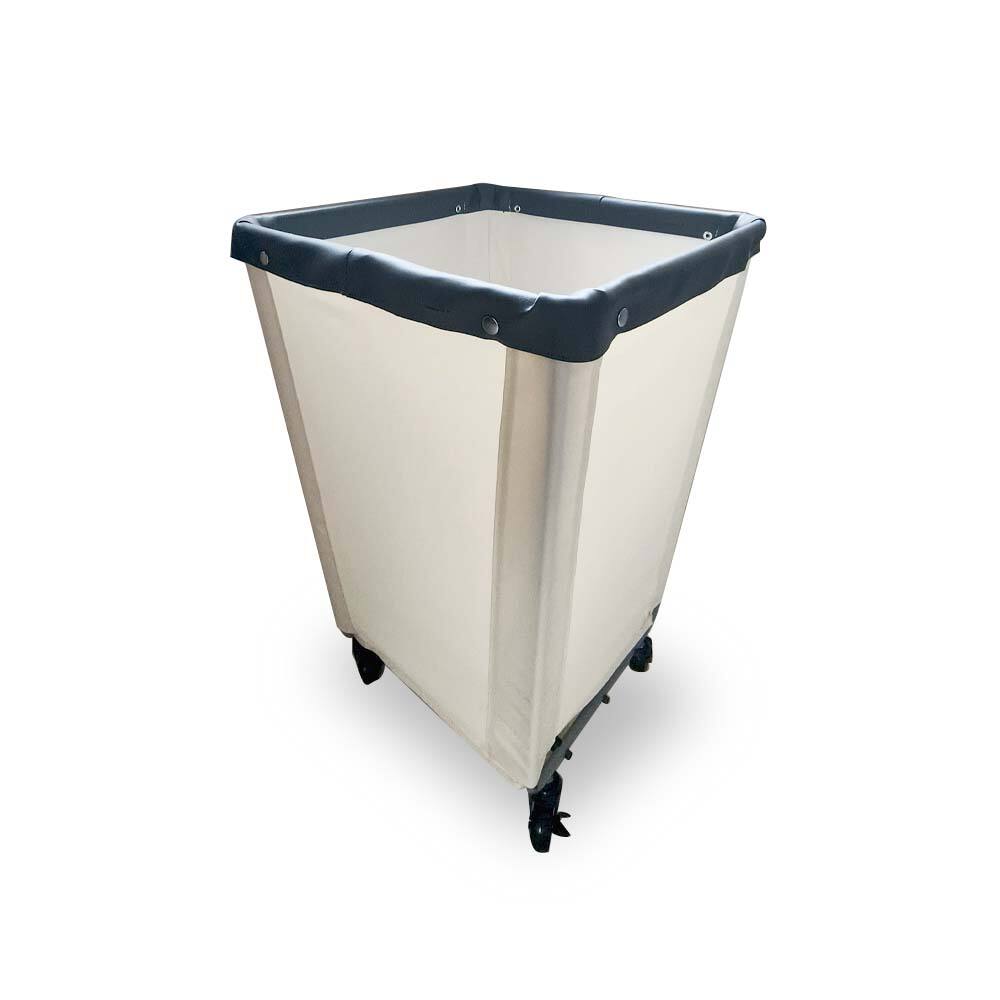
Många lagringskorgar har idag tygklädda yttre delar med utbytbara tyglinner. Denna design förlänger korgens totala livslängd genom att den mest smutsiga insidan kan tvättas separat, vilket bevarar den yttre strukturen från onödig hantering. Denna uppdelade komponentansats är särskilt lämplig för tvättkorgar, organisatörer för barnrum och badrumsbehållare där hygien kräver regelbunden rengöring.
Filtlagringskorgar, inklusive sådana som är tillverkade av ull eller blandningar av ull och syntetmaterial, erbjuder en mjuk, självbärande struktur som behåller sin form förvånansvärt väl under tyngden av kläder och accessoarer. Högkvalitativ ullfilt är naturligt elastisk och motståndskraftig mot tryck, och återgår till sin ursprungliga form efter att innehållet tagits bort. Detta material har också inbyggda fuktabsorberande egenskaper, vilket hjälper till att hålla förvarade föremål torra och förhindrar mögelbildning i slutna miljöer.
Filtlagringskorgar är i allmänhet avsedda för torra inomhusmiljöer och är mindre lämpliga för praktiskt bruk eller verkstadsförvaring där skarpa eller slipande föremål kan skada ytan. När de används på rätt sätt kan en väl tillverkad filtlagringskorg ge årsvis pålitlig service, särskilt i garderober, på hyllor eller i barnrum där den mjuka ytan också minimerar risken för ytscratchningar och buller.
Polypropen är ett av de mest använda materialen i moderna lagringskorgar tack vare dess utmärkta balans mellan styvhet, lätt vikt samt motstånd mot fukt, kemikalier och fysisk påverkan. Lagringskorgar tillverkade av injektionsformad eller blåsformad polypropen behåller sin form under konstant belastning, absorberar inte fukt och är extremt lätta att rengöra – faktorer som tillsammans bidrar till en exceptionell funktionell livslängd.
Lagerkorgar av polypropen är särskilt lämpliga för badrum, tvättstuga, kök och garage där fuktexponering är vanlig. Materialet rostar inte, ruttnar inte och främjar inte mögeltillväxt, vilket gör det till ett mycket praktiskt val i miljöer där lagerkorgar av naturliga fibrer skulle försämras för tidigt. Den viktigaste kvalitetsdifferentierande faktorn mellan lagerkorgar av polypropen är väggtjockleken – tjockare väggar innebär bättre motstånd mot sprickbildning vid stötar eller tunga laster.
UV-stabilisering är en relevant övervägande för lagerkorgar av polypropen som används nära fönster eller i utomhusnära utrymmen. Utan UV-inhibitorer som tillsatts under tillverkningen kan standardpolypropen bli spröd och kritaartad efter långvarig solbelastning. UV-stabiliserade sorters betydligt förlänger den praktiska livslängden för lagerkorgar som används i solbelysta områden, vilket gör det till en viktig specifikation att bekräfta innan köp i relevanta miljöer.
En växande kategori av lagringskorgar tillverkas nu av återvunnen plast eller biobaserade polymerer som härleds från förnybara råmaterial såsom majsstärkelse, sockerrör eller maniok. Dessa material syftar till att kombinera prestandaegenskaperna hos konventionella polymerer med en minskad miljöpåverkan. När de är korrekt formulerade kan lagringskorgar av biobaserade polymerer motsvara styrkan och fuktkompatibiliteten hos alternativ baserade på petroleum, samtidigt som de stödjer värdena i den cirkulära ekonomin.
Hållbarheten i denna kategori beror på den specifika polymerformuleringen och den tillverkningsprocess som används. Välkonstruerade lagringskorgar av biobaserat material, som är utformade med tillräcklig väggtjocklek, förstärkta spänningspunkter och högkvalitativa ytytor, kan prestera lika bra som standardpolypropylen i dagliga hushållsanvändningar. Detta gör dem till ett lockande alternativ för köpare som söker lång livslängd utan att kompromissa med sina hållbarhetsengagemang.
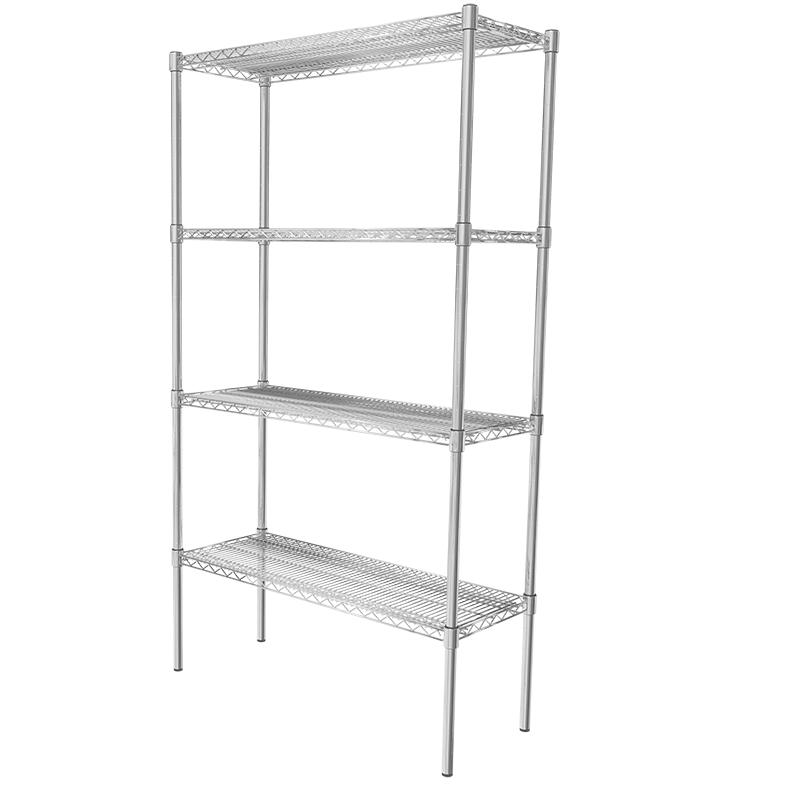
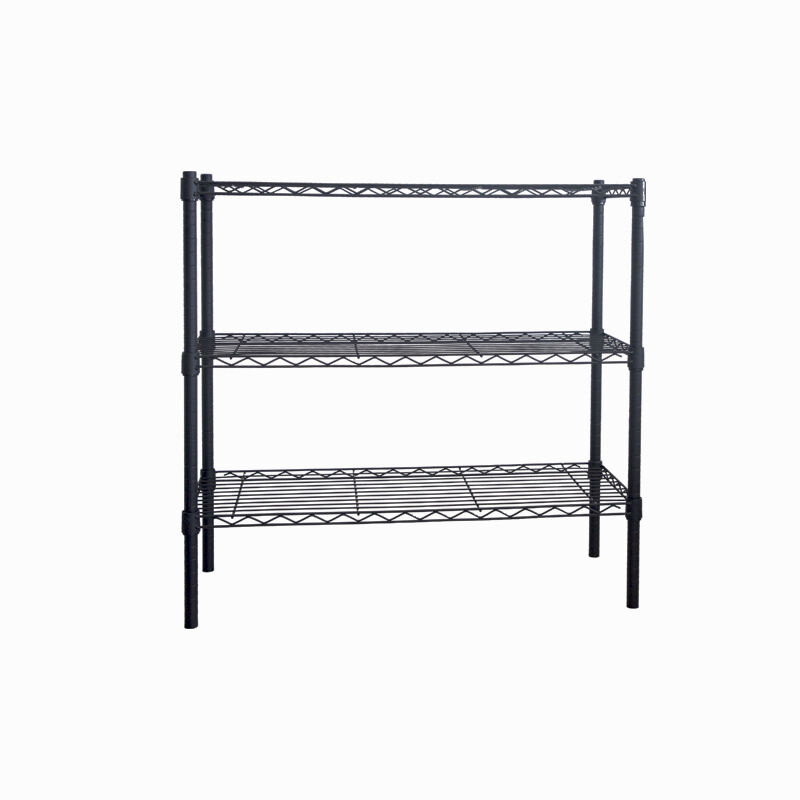
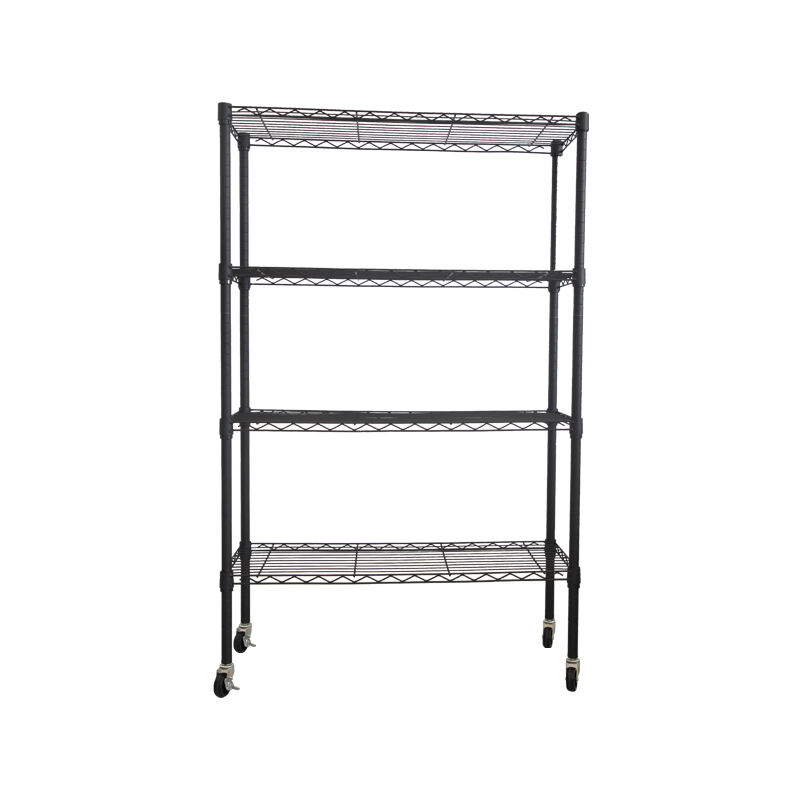
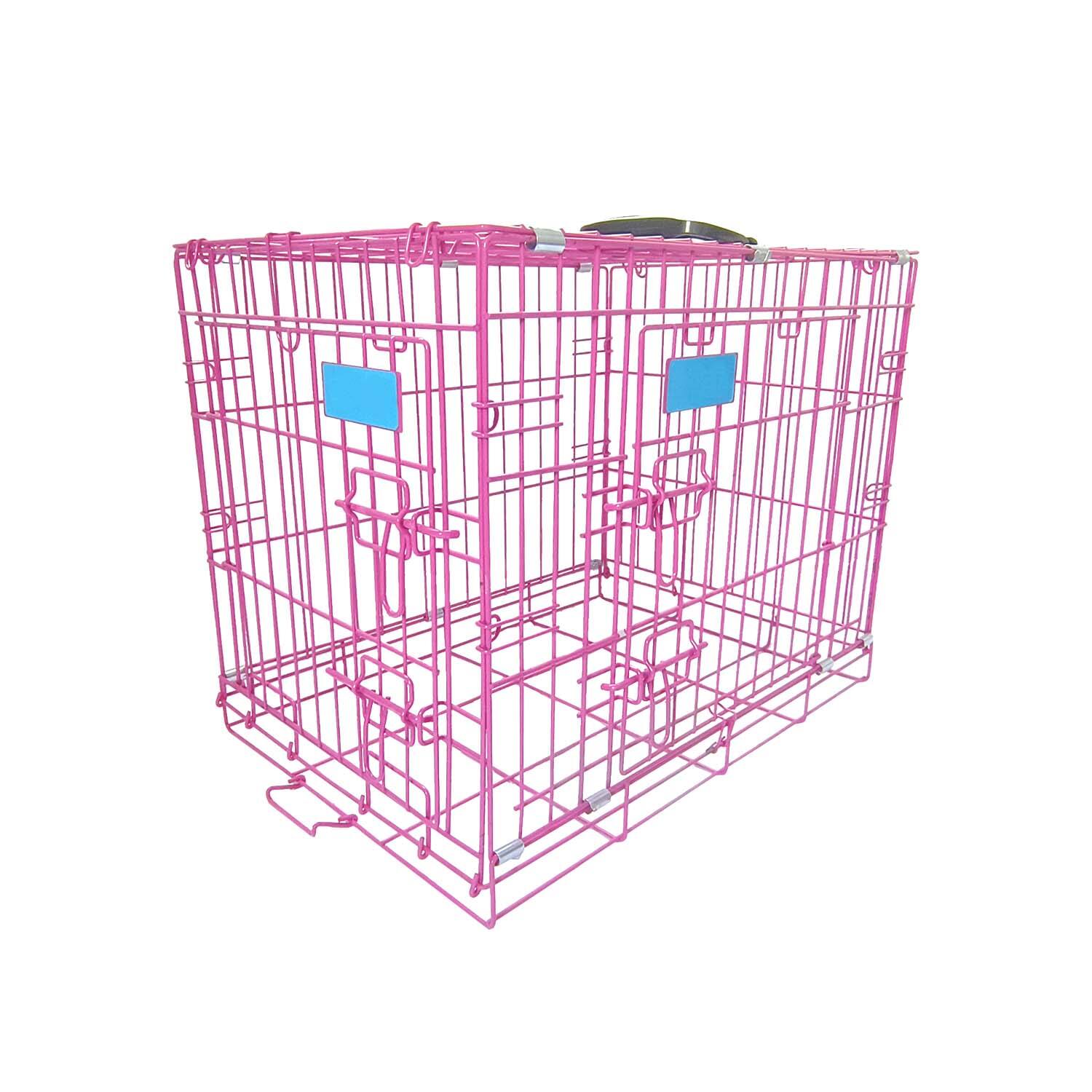
Tråd- och metalllagringskorgar utgör en annan mycket hållbar kategori, särskilt populär i kök, förrådsrum och tvättrum. Ståltrådkorgar med pulverbeläggning eller epoxibeläggning erbjuder en strukturell styvhet som naturliga och textila lagringskorgar helt enkelt inte kan matcha när det gäller tunga föremål. Den öppna nätformen möjliggör också utmärkt insyn av innehållet och överlägsen luftcirkulation, vilket är fördelaktigt för lagring av frukt och grönsaker eller för ventilerad klädslagring.
Livslängden för metalllådor med beläggning beror främst på integriteten hos den skyddande beläggningen. Skavanker eller repor som avslöjar det nakna metallen kan leda till rostfläckar, särskilt i fuktiga miljöer. Lådor med tjockare pulverbeläggning, sömlösa svetsningar och släta kantavslut är mindre benägna att uppleva tidig beläggningsfel och behåller därför sitt utseende och sin strukturella hållfasthet betydligt längre. För maximal hållbarhet erbjuder förvaringslådor av rostfritt ståltråd – även om de i allmänhet är dyrare – korrosionsbeständighet som långt överträffar den för belagd kolstål i fuktrika miljöer.
Aluminiumlagringskorgar erbjuder ett lättviktsalternativ som är korrosionsbeständigt jämfört med stålalternativ. Aluminium rostar inte, vilket gör det till ett idealiskt val för förvaring i badrum eller utomhusnära miljöer. Även om aluminium är mjukare än stål och därför mer benäget att bukta vid påverkan av slag, ger dess naturliga oxidlager inbyggt skydd mot ytkorrosion utan att någon ytbeläggning krävs – en betydelsefull fördel jämfört med belagt stål när beläggningen börjar slitas.
Metallkompositdesigner som kombinerar aluminiumramar med tyglinner eller vävda paneler är allt vanligare i nutida design av förvaringskorgar. Dessa hybridförvaringskorgar utnyttjar den strukturella stödfunktionen hos metallramen tillsammans med den estetiska värmen från textila element, vilket ger ett hållbart och visuellt mångsidigt produkt. Metallkomponenten säkerställer formbevaring även när korgen är tom, medan tykkomponenten ger flexibilitet vid hantering och skyddar förvarade föremål mot metallkanter.
Oavsett material påverkar hur en förvaringskorg hanterar sin last hur snabbt den försämras. Förvaringskorgar med förstärkta botten, tjockare sidoväggar och integrerade strukturella ribbor eller ramverk fördelar lasten mer effektivt än enklare konstruktioner med endast ett lager. Med tiden kommer en korg som konsekvent överlastas eller som bärs på svagt stödda områden att deformeras, spricka eller rivs mycket snabbare än en korg som används inom dess avsedda kapacitet.
När man utvärderar lagringskorgar för långtidsanvändning är det viktigt att inte bara ta hänsyn till den genomsnittliga belastningen utan också till den dynamiska belastningen – den kraft som utövas när föremål släpps i korgen, dras över golvet eller trycks mot en vägg. Material med inbyggd flexibilitet, såsom polypropen och vissa naturliga fibrer, absorberar dynamiska krafter bättre än styva material, som kan spricka eller gå sönder under plötsliga stödbelastningar som överskrider deras strukturella tolerans.
Ett materials förmåga att rengöras lätt och upprepade gånger utan att försämras är en avgörande faktor för hur länge lagringskorgar förblir funktionella och visuellt acceptabla i ett hemmiljö. Lagringskorgar av polypropen och belagd metall kan torkas av eller sköljas utan risk för materialskada, vilket gör dem i sig lättare att underhålla än alternativ av naturliga fibrer. Denna enkelhet i underhållet bidrar direkt till livslängden, eftersom korgar som är svåra att rengöra tenderar att samla upp smuts, utveckla odoer och är mer sannolika att bytas ut för tidigt.
Lagringsskåp av naturliga fibrer kräver mer specifik vård – försiktig fläckrengöring, lufttorkning och undvikande av nedsänkning – men de som sköts enligt sina materialkrav kan fortfarande hålla i många år. Den avgörande insikten är att anpassa underhållsrutinen till materialtypen är lika viktigt som valet av material vid inköpet. Ett lagringsskåp som används i ett sammanhang där dess specifika underhållskrav realistiskt kan uppfyllas kommer alltid att prestera bättre än ett nominellt överlägset material som försummas eller rengörs på fel sätt.
Polypropen och rostfritt stål är de mest lämpliga materialen för lagringskorgar som används i fuktiga miljöer. Båda motstånd absorberar fukt, främjar inte mögeltillväxt och behåller sin strukturella integritet även vid regelbunden exponering för ånga och kondens. Belagda metallalternativ kan också fungera bra om beläggningen förblir intakt, medan lagringskorgar av naturliga fibrer i allmänhet inte rekommenderas för konstant fuktiga utrymmen.
Under lämpliga förhållanden kan högkvalitativa lagringskorgar av naturliga fibrer hålla lika länge som plastkorgar. Korgar av rotang, havsgräs och vattenhyacint fungerar väl i torra, ventilerade miljöer med måttliga laster. Deras livslängd minskar vid pågående fuktexponering, tunga vikter eller direkt solljus. Plastlagringskorgar tenderar att erbjuda mer konsekvent hållbarhet i ett bredare spektrum av miljöer, särskilt där fukt förekommer.
De mest effektiva strategierna inkluderar att undvika konstant överbelastning, rengöra korgen enligt dess materialspecifikationer, förvara den borta från långvarig direkt solljus och se till att skarpa eller slipande föremål är dämpade eller inpackade för att förhindra skador på insidan. För lagringskorgar av naturliga fibrer kan periodisk lätt konditionering eller täckning också förlänga fiberintegriteten. Att rotera mellan flera lagringskorgar vid intensiv användning minskar också slitage på varje enskild korg.
Ja, när de tillverkas på rätt sätt är lagringskorgar av biobaserade och återvunna polymerer fullt kapabla att uppfylla dagliga slitstarka krav i hushållet. Nyckeln är att leta efter produkter med tillräcklig väggtjocklek, förstärkt bottenkonstruktion och högkvalitativa ytor. Miljövänliga lagringskorgar av dålig kvalitet kan prestera under förväntan, men välkonstruerade produkter inom denna kategori kan matcha konventionell polypropen när det gäller hållfasthet, fuktbeständighet och långsiktig strukturell prestanda.
 Senaste nyheterna
Copyright © 2026 Top Trust Biotechnology Co., Ltd Alla rättigheter förbehållna Integritetspolicy
 EN
EN
 AR
AR
 FR
FR
 PT
PT
 ES
ES
 VI
VI
 BG
BG
 HR
HR
 CS
CS
 DA
DA
 NL
NL
 FI
FI
 DE
DE
 EL
EL
 HI
HI
 IT
IT
 JA
JA
 KO
KO
 NO
NO
 PL
PL
 RO
RO
 RU
RU
 SV
SV
 TL
TL
 IW
IW
 SK
SK
 SL
SL
 ET
ET
 HU
HU
 TH
TH
 TR
TR
 MS
MS
 IS
IS
 KA
KA
 BN
BN
 LA
LA
 MN
MN
 NE
NE
 UZ
UZ