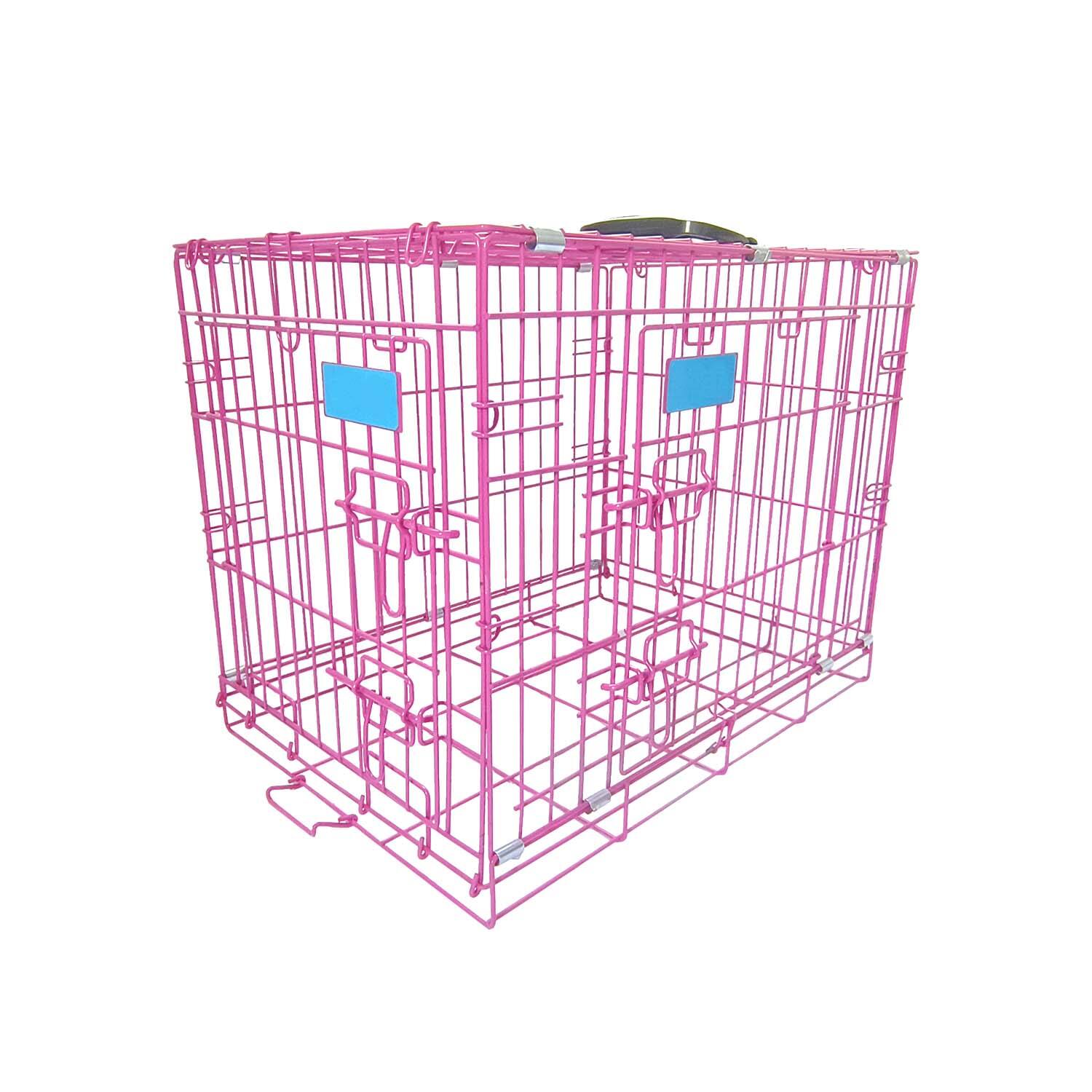
Atunci când se fac achiziții în vrac pentru proprietăți comerciale sau rezidențiale, evaluarea rezistenței soluțiilor de depozitare devine esențială pentru a asigura valoare și funcționalitate pe termen lung. Coșurile de depozitare sunt instrumente esențiale de organizare în diverse domenii, de la hoteluri și servicii medicale până la comerț cu amănuntul și producție. Înțelegerea factorilor cheie ai rezistenței înainte de a achiziționa cantități mari poate preveni înlocuirile costisitoare și perturbările operaționale viitoare.
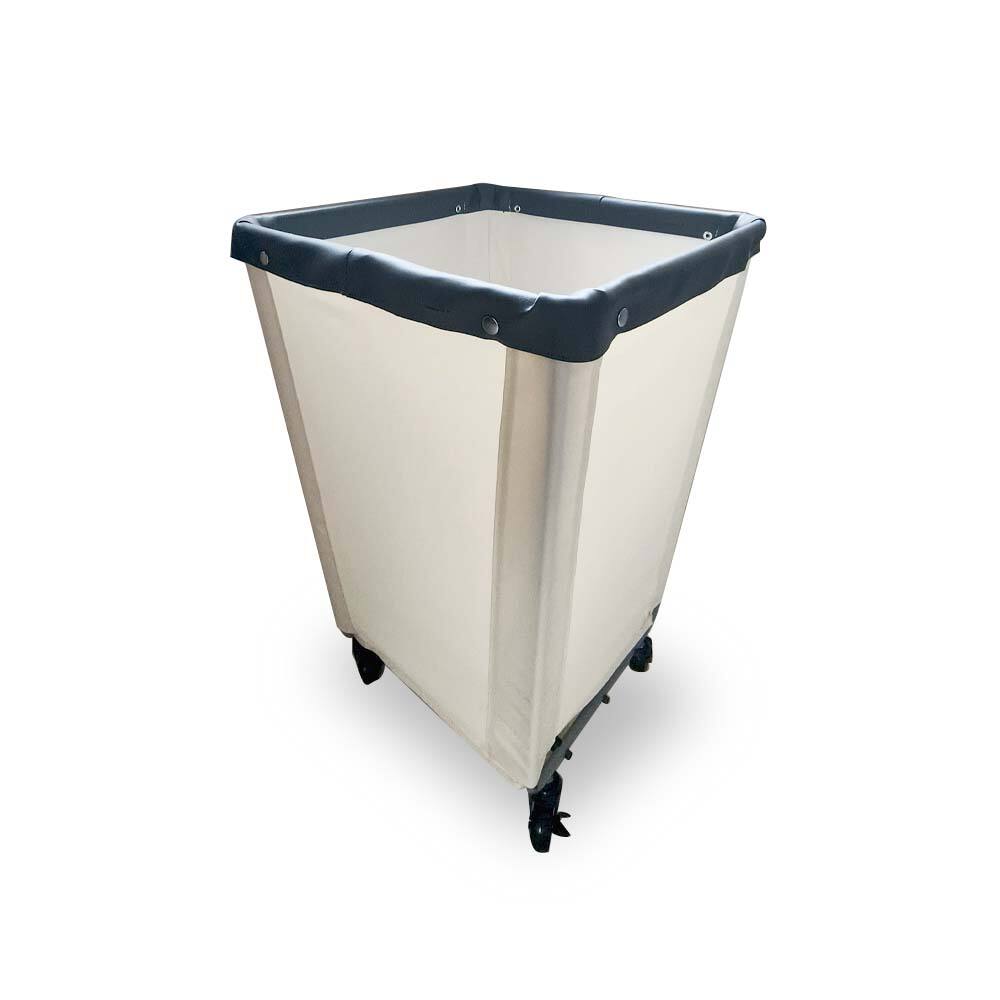
Implicațiile financiare ale evaluării slabe a durabilității depășesc costurile inițiale de achiziție. Managerii de instalații și specialiștii în achiziții trebuie să ia în considerare frecvența înlocuirii, cerințele de întreținere și impactul asupra operațiunilor zilnice atunci când soluțiile de stocare eşuează prematur. Tehnicile de evaluare profesională ajută la identificarea produselor superioare care rezistă la utilizări grele, menținând în același timp integritatea structurală și atractivitatea estetică pe toată durata de viață.
Coșurile moderne de depozitare utilizează diverse materiale sintetice realizate pentru caracteristici specifice de performanță. Polipropilena și polietilena reprezintă opțiuni comune datorită rezistenței lor chimice și toleranței la impact. Polietilena de înaltă densitate oferă o durabilitate superioară împotriva crăpării sub tensiune, în timp ce polipropilena asigură o flexibilitate excelentă și stabilitate la temperatură. Înțelegerea acestor proprietăți ale materialelor permite cumpărătorilor să potrivească specificațiile coșurilor de depozitare cu mediile destinate utilizării și cerințele de încărcare.
Formulările avansate de polimeri includ stabilizatori UV și modificatori de rezistență la impact pentru a îmbunătăți performanța pe termen lung. Aceste aditivi previn degradarea materialului cauzată de expunerea la lumina solară și cresc rezistența la impacturi brute sau căderi. Analizarea fișelor tehnice privind conținutul de aditivi oferă informații despre durata de viață estimată în diverse condiții de mediu. Producătorii de calitate documentează clar compoziția materialului și clasificările de performanță pentru decizii de cumpărare informatizate.
Materialele țesute, cum ar fi ratanul, bambusul și ierburile marine, oferă un aspect estetic plăcut, dar necesită o evaluare atentă a durabilității în aplicațiile comerciale. Fibrele naturale prezintă grade diferite de rezistență la umiditate, fluctuațiile de temperatură și stresul mecanic. Procesele adecvate de tratament influențează semnificativ longevitatea, iar coșurile țesute de calitate beneficiază de acoperiri protectoare sau tratamente stabilizatoare care sporesc integritatea structurală și rezistența la factorii externi.
Construcție hibridă care combină estetica naturală cu armare sintetică oferă o performanță echilibrată pentru aplicații decorative, dar funcționale. Aceste designuri includ structuri interne sau împletire sintetică strategică pentru a menține aspectul, în timp ce se îmbunătățește capacitatea de susținere a sarcinii și durabilitatea. Evaluarea calității integrării dintre componentele naturale și cele sintetice ajută la previzionarea duratei totale de viață a produsului și a cerințelor de întreținere.
O evaluare corectă a capacității de susținere a sarcinii implică testarea atât a capacității maxime de greutate, cât și a modelelor de distribuție a greutății. Încărcarea uniformă diferă semnificativ de încărcările concentrate, multe coșuri de depozitare având o performanță adecvată sub greutate distribuită, dar eșuând atunci când obiecte grele concentrează stresul pe anumite zone. Protocoalele profesionale de testare simulează scenarii reale de utilizare pentru a identifica punctele potențiale de defectare înainte de implementarea în masă.
Condițiile dinamice de încărcare prezintă provocări suplimentare în comparație cu testele statice de greutate. Ciclurile repetate de încărcare și descărcare, frecvente în mediile comerciale, creează eforturi de oboseală care slăbesc treptat componentele structurale. Calitatea coș de Stocare proiectelor include elemente de întărire precum funduri nervurate, mâneruri întărite și variații strategice ale grosimii pentru a distribui eficient efortul de-a lungul întregii structuri.
Metodele de fixare a mânerului influențează semnificativ durabilitatea generală, în special în condiții de încărcare mare. Mânerurile integrate turnate oferă în general o rezistență superioară față de componentele atașate separat, deoarece elimină eventualele puncte slabe unde se unește materiale diferite. Analizarea designului mânerului, a întăririi fixării și a mecanismelor de distribuire a sarcinii ajută la previzionarea performanței în condiții tipice de utilizare.
Punctele de conexiune între secțiunile coșului, mâner și elementele de întărire reprezintă zone critice de evaluare. O construcție de calitate se caracterizează prin tranziții netede, grosime adecvată a materialului și o proiectare corespunzătoare pentru distribuirea sarcinii. Inspecia vizuală pentru margini ascuțite, secțiuni subțiri sau întărire insuficientă în zonele supuse la sarcini mari oferă o perspectivă imediată asupra unor eventuale probleme de durabilitate care ar putea duce la cedare prematură.
Condițiile de mediu afectează în mod semnificativ durabilitatea coșului de depozitare, variațiile extreme de temperatură provocând dilatarea, contracția materialului și potențiale cedări structurale. Evaluarea profesională include teste de ciclare a temperaturii pentru a simula variațiile sezoniere și schimbările bruște de temperatură. Materialele care își mențin flexibilitatea și rezistența pe o gamă largă de temperaturi asigură o performanță constantă în diverse medii operaționale.
Rezistența la șoc termic devine deosebit de importantă pentru coșurile de depozitare utilizate în instalații cu control variabil al climatului sau expuse în aer liber. Materialele de calitate rezistă crăpării, răsucirii sau îmbătrânirii prin devenirea casante atunci când sunt expuse la schimbări rapide de temperatură. Producătorii oferă adesea specificații privind clasele de temperatură care orientează selecția aplicațiilor potrivite și parametrii așteptați de performanță.
Coșurile de depozitare întâmpină frecvent substanțe chimice de curățare, umiditate și diverse produse care pot degrada materialele în timp. Testarea rezistenței chimice evaluează comportamentul materialului atunci când este expus la agenți de curățare obișnuiți, dezinfectanți și substanțe operaționale. Înțelegerea compatibilității chimice previne degradarea materialului, care ar putea compromite integritatea structurală sau crea pericole de siguranță.
Caracteristicile de absorbție a umidității influențează atât durabilitatea, cât și considerentele de igienă. Materialele neporoase rezistă pătrunderii umidității, care ar putea duce la apariția mucegaiului, reținerea mirosurilor sau slăbirea structurii. Evaluarea designului de scurgere, a tratamentelor superficiale și a porozității materialelor ajută la previzionarea performanței pe termen lung în medii umede sau în aplicații care implică obiecte ude.
Calitatea fabricației este direct corelată cu performanța în ceea ce privește durabilitatea, făcând evaluarea consistenței construcției esențială pentru achizițiile în cantități mari. Grosimea uniformă a pereților, modelele constante de țesere și distribuția corespunzătoare a materialului indică procese de fabricație controlate, care produc produse fiabile. Variațiile în calitatea construcției prezic adesea o funcționare neregulată și defectarea prematură în timpul utilizării operative.
Calitatea finisajului superficial reflectă standardele generale de fabricație și atenția la detalii. Suprafețele netede rezistă acumulării de murdărie și debris, indicând în același timp o prelucrare corectă a materialelor și o calitate bună a matriței. Un finisaj superficial slab este adesea însoțit de alte defecte de fabricație care compromit durabilitatea și funcționalitatea pe termen lung.
Producătorii reputabili implementează sisteme cuprinzătoare de control al calității, cu protocoale documentate de testare și standarde de performanță. Certificările terțe părți și conformitatea cu standardele internaționale oferă o garanție suplimentară privind calitatea și durabilitatea constante. Solicitarea documentației privind calitatea și detaliilor de certificare ajută la verificarea capacităților de producție și a angajamentului față de excelență în produs.
Testarea pentru consistența loturilor asigură o performanță uniformă în cumpărările în cantități mari. Producătorii de calitate păstrează înregistrări detaliate privind sursele materialelor, parametrii de procesare și rezultatele testelor de performanță. Această documentație permite urmărirea produselor și oferă siguranță în ceea ce privește consistența comenzilor în mare cantitate, reducând riscul de a primi produse cu caracteristici diferite de durabilitate.
Testele de îmbătrânire accelerată simulează ani întregi de utilizare normală în perioane de timp reduse, oferind informații valoroase privind durabilitatea înainte de a se face cumpărări în mare cantitate. Aceste protocoale expun coșurile de depozitare la temperaturi ridicate, radiații UV, stres mecanic și expunere la substanțe chimice pentru a prezice performanța pe termen lung. Instalatiile profesionale de testare utilizează protocoale standardizate care corelează rezultatele accelerate cu date reale de performanță.
Testele de încărcare ciclică reproduc modelele repetitive de utilizare frecvente în aplicațiile comerciale. Aceste evaluări supun cestele de depozitare la mii de cicluri de încărcare și descărcare, monitorizând semnele de oboseală, fisurare sau degradare structurală. Rezultatele ajută la stabilirea unor așteptări realiste privind durata de viață și la identificarea programelor optime de înlocuire pentru planificarea operațională.
Testarea pilot cu cantități mai mici oferă o validare în condiții reale a evaluărilor de durabilitate din laborator. Implementarea unor cantități de test în medii operaționale reale dezvăluie caracteristici de performanță care s-ar putea să nu apară în condiții controlate de testare. Feedback-ul din partea utilizatorilor finali oferă informații practice despre performanța de durabilitate în condiții reale de utilizare și factori de mediu.
Documentarea rezultatelor testărilor în teren creează date de referință valoroase pentru deciziile viitoare de achiziție. Urmărirea indicatorilor de performanță, cum ar fi ratele de defectare, cerințele de întreținere și satisfacția utilizatorilor, oferă dovezi cantitative privind caracteristicile de durabilitate. Aceste informații sprijină deciziile de cumpărare în bloc și ajută la optimizarea specificațiilor pentru aplicații specifice.
Evaluarea durabilității trebuie să ia în considerare costul total de deținere, nu doar prețul inițial de achiziție. Coșurile de depozitare de calitate superioară, cu o durabilitate sporită, oferă adesea o valoare mai bună pe termen lung prin reducerea frecvenței înlocuirii și a cerințelor reduse de întreținere. Calcularea costurilor pe întregul ciclu de viață, inclusiv înlocuirea, eliminarea și impactul operațional, oferă comparații precise ale costurilor între diferite opțiuni.
Costurile legate de perturbările operaționale cauzate de defectarea prematură a coșurilor de stocare pot depăși semnificativ costurile de înlocuire. Instalațiile care întâmpină defecțiuni frecvente se confruntă cu pierderi de productivitate, costuri sporite de manoperă pentru înlocuiri și eventuale riscuri de siguranță datorate echipamentelor deteriorate. Luarea în considerare a acestor costuri ascunse în evaluarea durabilității justifică investiția în produse de calitate superioară, care oferă o performanță fiabilă pe termen lung.
Coșurile de stocare de calitate, cu caracteristici dovedite de durabilitate, generează un randament pozitiv prin durata prelungită de funcționare și necesarul redus de întreținere. Calcularea perioadelor de recuperare pe baza costurilor evitate și a beneficiilor operaționale oferă o justificare financiară clară pentru deciziile de achiziție axate pe durabilitate. Aceste calcule devin deosebit de convingătoare în aplicațiile cu volum mare, unde economiile mici la nivelul fiecărei unități se acumulează semnificativ în cazul cantităților mari.
Valoarea de reducere a riscurilor reprezintă un factor suplimentar al rentabilității investiției pentru soluțiile durabile de stocare. Produsele fiabile reduc riscul de perturbări operaționale, incidente de siguranță și costuri de înlocuire de urgență. Cuantificarea acestor beneficii de reducere a riscurilor consolidează argumentul comercial pentru investiția în opțiuni de coșuri de stocare cu durabilitate ridicată, riguros evaluate.
Solicitați documentație tehnică detaliată, inclusiv specificații privind materialele, protocoale de testare și date privind performanța, din partea producătorilor. Căutați certificări ale unor părți terțe și conformitatea cu standarde industriale recunoscute. Luați în considerare efectuarea unor teste independente pe cantități eșantion înainte de a plasa comenzi în mare volum și solicitați referințe din aplicații sau instalații similare.
Compoziția materialului și calitatea fabricației reprezintă cei mai fiabili indicatori de durabilitate. Materialele sintetice de înaltă calitate cu aditivi adecvați, construcția coerentă cu grosime uniformă a pereților și întărirea corespunzătoare în punctele de tensiune sunt în general asociate cu o durată de viață superioară. În plus, o garanție cuprinzătoare reflectă adesea încrederea producătorului în durabilitatea produsului.
Condițiile de mediu afectează semnificativ cerințele de durabilitate și ar trebui să fie considerate factori primari la selectarea produsului. Factori precum temperaturile extreme, nivelul de umiditate, expunerea la substanțe chimice și radiația UV afectează toți performanța materialelor în timp. Potrivirea specificațiilor covoarelor de depozitare condițiilor de mediu specifice asigură o performanță optimă și maximizează rentabilitatea investiției.
Concentrați-vă pe costul total de proprietate, nu pe prețul inițial de cumpărare, atunci când echivalați durabilitatea cu considerentele de buget. Calculați costurile pe întreaga durată de viață, inclusiv frecvența de înlocuire, cerințele de întreținere și impacturile operaționale, pentru a identifica opțiunea cea mai eficientă din punct de vedere cost. Luați în considerare abordări de implementare etapizată care permit validarea performanței înainte de implementarea completă.
 Știri recente
Drepturi de autor © 2026 Top Trust Biotechnology Co., Ltd Toate drepturile rezervate Politica de confidențialitate
 EN
EN
 AR
AR
 FR
FR
 PT
PT
 ES
ES
 VI
VI
 BG
BG
 HR
HR
 CS
CS
 DA
DA
 NL
NL
 FI
FI
 DE
DE
 EL
EL
 HI
HI
 IT
IT
 JA
JA
 KO
KO
 NO
NO
 PL
PL
 RO
RO
 RU
RU
 SV
SV
 TL
TL
 IW
IW
 SK
SK
 SL
SL
 ET
ET
 HU
HU
 TH
TH
 TR
TR
 MS
MS
 IS
IS
 KA
KA
 BN
BN
 LA
LA
 MN
MN
 NE
NE
 UZ
UZ