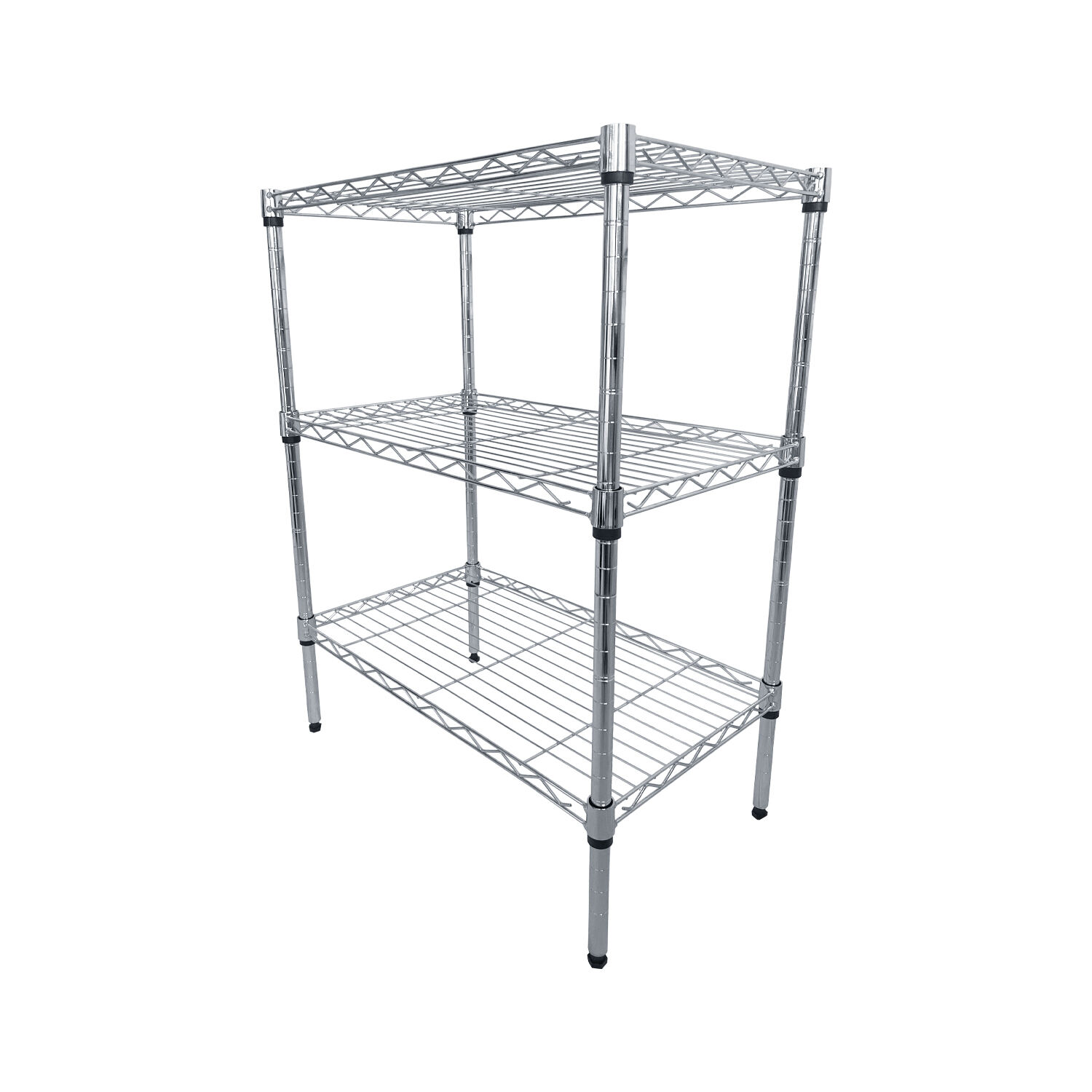
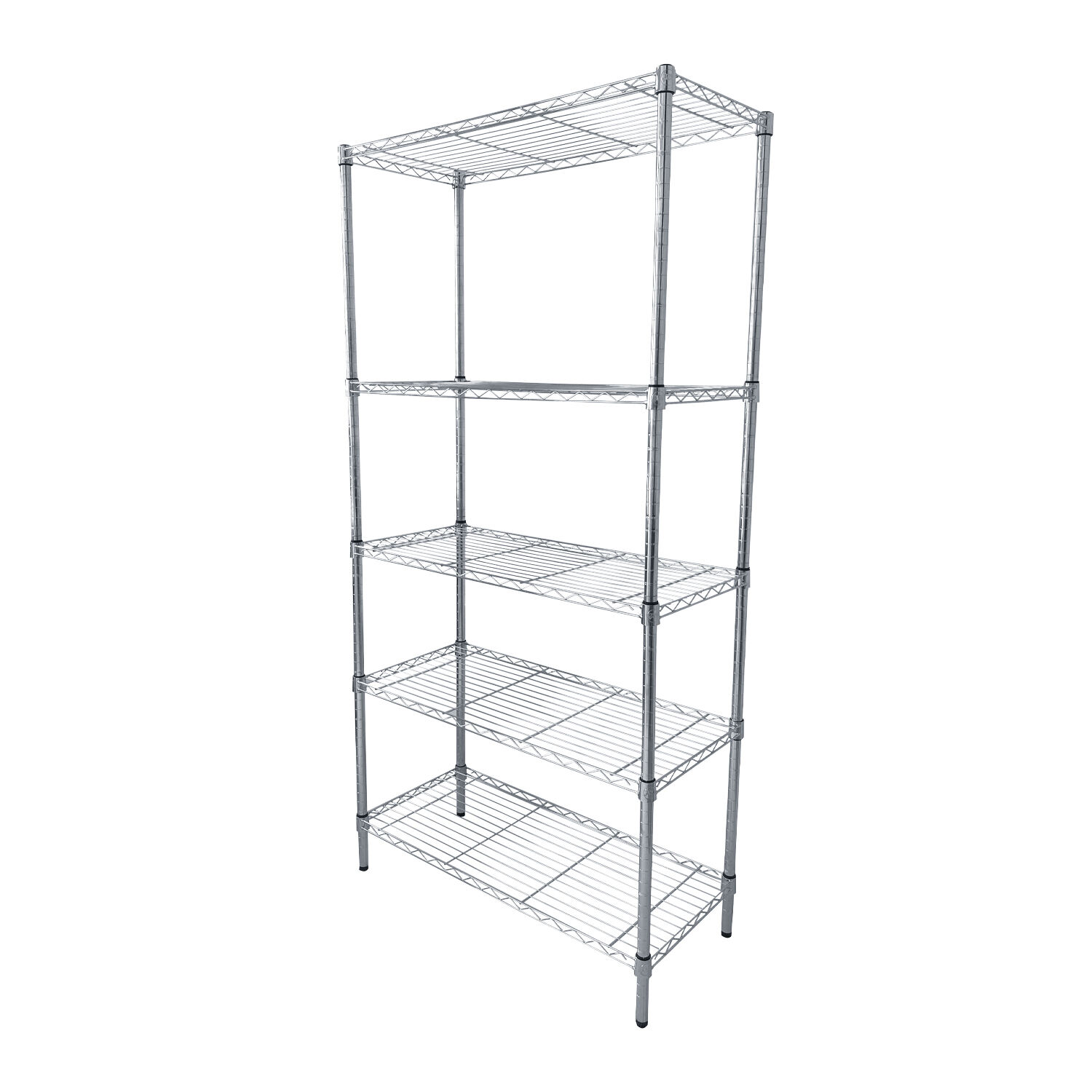
Het beoordelen van opbergmanden voor grootschalige commerciële aankoop vereist een systematische aanpak die functionaliteit, duurzaamheid, kosten-effectiviteit en operationele compatibiliteit in evenwicht brengt. Commerciële kopers moeten rekening houden met meerdere factoren buiten de basisopslagcapaciteit om ervoor te zorgen dat hun investering op lange termijn waarde oplevert in diverse zakelijke omgevingen. Het beoordelingsproces omvat het analyseren van materiaalkwaliteit, ontwerpspecificaties, leveranciersbetrouwbaarheid en totale eigendomskosten om weloverwogen inkoopbeslissingen te nemen.
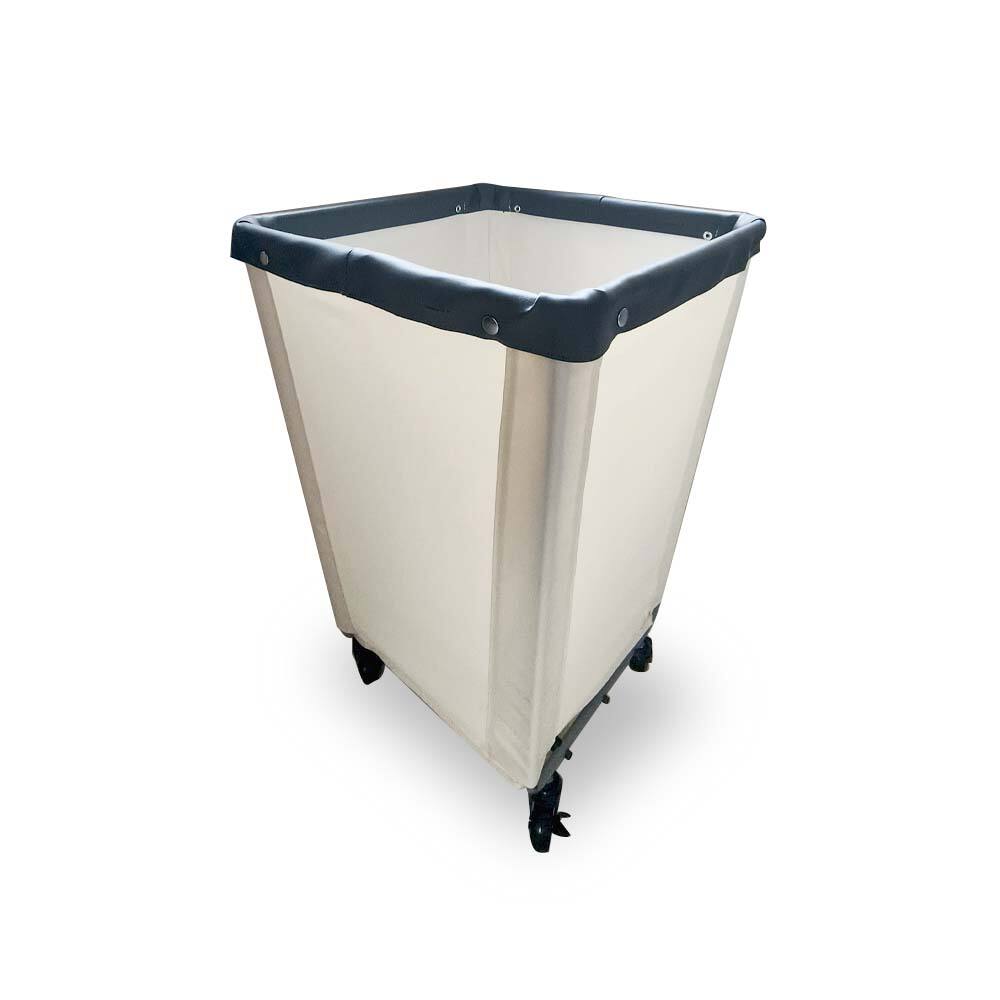
De commerciële markt stelt unieke uitdagingen aan de aankoop van opbergmanden, waaronder wisselende intensiteiten van gebruik, diverse toepassingsvereisten en de noodzaak van consistente kwaliteit bij grote hoeveelheden. Het begrijpen van deze beoordelingscriteria helpt bedrijven om kostbare fouten te voorkomen, de vervangingsfrequentie te verlagen en hun investering in opberginfrastructuur te optimaliseren. Een uitgebreid beoordelingskader zorgt ervoor dat aangekochte opbergmanden aansluiten bij operationele behoeften, terwijl budgetbeperkingen en kwaliteitsnormen worden gehandhaafd.
Commerciële opbergmanden moeten bestand zijn tegen intensief dagelijks gebruik, frequente hantering en wisselende belastingsomstandigheden zonder dat de structurele integriteit wordt aangetast. De beoordeling van de materiaalduurzaamheid omvat het onderzoeken van de basispolymeersamenstelling, de consistentie van de wanddikte en de ontwerpstructuren voor versterking. Hoogdichtheidspolyethyleen en polypropyleen bieden doorgaans superieure slagvastheid en chemische stabiliteit voor commerciële toepassingen.
Testmethoden voor het beoordelen van duurzaamheid omvatten valtesten vanaf standaardhoogten, verificatie van de draagcapaciteit en evaluatie van milieubelasting onder temperatuurvariaties. Kwalitatief hoogwaardige opbergmanden moeten een consistente prestatie vertonen binnen temperatuurbereiken van bevriezing tot verhoogde temperaturen, zonder broos te worden of structurele sterkte te verliezen. Testen op weerstand tegen spanningsbreuken geeft inzicht in hoe goed het materiaal herhaaldelijk buigen en slagbelasting, zoals typisch voorkomt in commerciële omgevingen, verdraagt.
UV-stabiliteit wordt kritiek voor opbergmanden die worden gebruikt in omgevingen met blootstelling aan natuurlijk of kunstmatig licht. Premium commerciële opbergmanden zijn voorzien van UV-stabilisatoren die materiaaldegradatie, verkleuring en oppervlakteverkalking over langere perioden voorkomen. Dit beoordelingscriterium heeft directe gevolgen voor de vervangingsfrequentie en de langetermijnkosten bij bulkinkoopbeslissingen.
De beoordeling van chemische weerstand zorgt ervoor dat opbergmanden hun structurele integriteit en veiligheid behouden bij blootstelling aan reinigingsmiddelen, desinfecterende middelen of op te slaan materialen met chemische eigenschappen. Commerciële omgevingen vereisen vaak frequente desinfectie, waardoor chemische compatibiliteit een cruciale beoordelingsfactor is. Opbergmanden moeten bestand zijn tegen veelgebruikte reinigingschemicaliën zonder oppervlaktedegradatie, verkleuring of verzwakking van het materiaal.
Verificatie van naleving van veiligheidsvoorschriften omvat het controleren van certificaten voor toepassingen in contact met levensmiddelen, in de zorgomgeving of in industriële omgevingen met specifieke wettelijke vereisten. Materialen die zijn goedgekeurd door de FDA, NSF-certificering of branchespecifieke nalevingsnormen bieden garantie dat opbergmanden voldoen aan de benodigde veiligheids- en hygiënenormen voor hun beoogde commerciële toepassingen.
Documentatie betreffende materiaalcertificering moet bij grootschalige aankopen worden geleverd, om traceerbaarheid en verificatie van naleving te waarborgen voor auditdoeleinden. Deze documentatie is essentieel voor bedrijven die actief zijn in gereguleerde sectoren, waarbij de materiaalspecificaties direct van invloed zijn op de exploitatievergunning en de nalevingsstatus.
Een effectieve beoordeling van opbergmanden vereist een analyse van de afmetingencompatibiliteit met bestaande opslagsystemen, transportapparatuur en hanteringsprocedures. Standaardafmetingen die aansluiten bij rekensystemen, karrensystemen en geautomatiseerde hanteringsapparatuur verminderen de operationele complexiteit en verbeteren de efficiëntie. Opbergmanden moeten naadloos integreren met de huidige infrastructuur zonder dat significante wijzigingen of aanpassingen nodig zijn.
Capaciteitsoptimalisatie omvat het in evenwicht brengen van opslagvolume met ergonomische en veiligheidsaspecten bij het hanteren. Te grote opbergmanden kunnen de veilige tillimieten voor personeel overschrijden, terwijl te kleine opties de efficiëntie verlagen door een hogere frequentie van hantering. De ideale afmetingsconfiguratie maximaliseert de opslagdichtheid, terwijl veilige handmatige hanteringspraktijken en compatibiliteit met mechanische hanteringsapparatuur worden gehandhaafd.
Stackbaarheidskenmerken hebben een aanzienlijke invloed op de opslagefficiëntie wanneer manden niet actief in gebruik zijn. Door nestbare stapelmogelijkheden wordt het benodigde opslagoppervlak voor lege manden verminderd, terwijl stabiel stapelen onder belasting een optimale verticale opslag mogelijk maakt. Het stapelmechanisme dient een veilige, onderlinge vergrendeling te bieden zonder vastlopen of het uitoefenen van excessieve kracht bij het loskoppelen.
De beoordeling van het ventilatieontwerp richt zich op luchtstromingspatronen die vochtaccumulatie voorkomen, geurretentie verminderen en de kwaliteit van opgeslagen producten behouden. Een doordachte plaatsing van perforaties, specifieke configuraties van sleuven of integratie van gaaspanelen moet voldoende ventilatie waarborgen, zonder dat de structurele stevigheid wordt aangetast of kleine voorwerpen door de openingen kunnen vallen.
Afvoervermogen wordt essentieel voor toepassingen in natte of vochtige omstandigheden, reinigingsprocedures of bij producten die vocht kunnen afgeven. Een effectief afvoerontwerp omvat hellende bodemvlakken, afvoergaten die zo zijn geplaatst dat ze het staan van water voorkomen, en gladde binnenoppervlakken die een volledige afvoer en reiniging vergemakkelijken. Een slecht afvoerontwerp leidt tot hygiëneproblemen, versnelde slijtage en mogelijke contaminatieproblemen in commerciële toepassingen.
Het evenwicht tussen ventilatie en beveiliging vereist een zorgvuldige beoordeling op basis van de specifieke opslagvereisten. Bewaarmandjes gebruikt voor waardevolle of kleine items kan massieve wandconstructie vereisen, terwijl toepassingen waarbij luchtstroming en afvoer prioriteit hebben, profiteren van geperforeerde ontwerpen.
Groothandelsaankoop vereist leveranciers met aangetoonde productieconsistentie bij grote productielopen. De beoordeling van de kwaliteitscontrole omvat het onderzoeken van variatie in monsters, afmetingstoleranties en consistentie van de afwerkkwaliteit. Leveranciers moeten gegevens over statistische procescontrole verstrekken die de variatiegrenzen en kwaliteitsmetriek voor hun productieprocessen van opbergmanden weergeven.
Certificeringen van productiefaciliteiten, zoals ISO 9001-kwaliteitsmanagementsystemen, wijzen op gevestigde procedures voor kwaliteitscontrole en processen voor continue verbetering. Bezoeken aan de locatie of audits door derden kunnen de productiemogelijkheden, de implementatie van kwaliteitscontrole en het vermogen om bulkbestellingen binnen de gestelde termijnen te vervullen, verifiëren.
Defectpercentages en garantiebeleid geven inzicht in het vertrouwen van de leverancier in de kwaliteit van zijn producten. Lage defectpercentages in combinatie met uitgebrekte garantiedekking wijzen op betrouwbare productieprocessen en een toewijding van de leverancier aan de prestaties van het product. Documentatie van kwaliteitscontroleprocedures en protocollen voor binnenkomende inspecties helpt kopers om het kwaliteitsborgingskader te begrijpen dat hun grootschalige aankoop ondersteunt.
De beoordeling van de supply chain omvat de betrouwbaarheid van de levering, de capaciteit op het gebied van voorraadbeheer en de logistieke coördinatie voor grootschalige bestellingen. Leveranciers moeten een consistente prestatie op het gebied van tijdige levering tonen, voldoende voorraadbuffers hebben om grote bestellingen te ondersteunen en flexibele logistieke regelingen aanbieden om tegemoet te komen aan de eisen van de koper met betrekking tot leveringsplanning en coördinatie van leveringslocaties.
Verpakkings- en hanteringsprocedures voor bulkzendingen moeten worden beoordeeld om ervoor te zorgen dat opbergmanden in aanvaardbare staat aankomen, zonder schade door vervoer of hantering. Geschikte verpakkingsmethoden beschermen tegen schade door impact, verontreiniging en UV-straling tijdens vervoer en opslag, voordat de producten naar eindgebruikslocaties worden gedistribueerd.
Geografische nabijheid en de dekking van het distributienetwerk beïnvloeden de leveringskosten, de transporttijden en de mogelijkheden voor spoedvervanging. Lokale of regionale leveranciers kunnen voordelen bieden op het gebied van logistiekkosten en reactietijden, terwijl internationale leveranciers mogelijk kostenvoordelen bieden die de transportkosten bij grootschalige aankopen compenseren.
De kostenanalyse voor grootschalige aankoop gaat verder dan de eenheidsprijs en omvat ook hoeveelheidskortingen, betalingsvoorwaarden en leveringsregelingen. Hoeveelheidskortingen moeten aanzienlijke besparingen weerspiegelen die de investering in grote voorraden rechtvaardigen, terwijl de betalingsvoorwaarden van invloed zijn op de liquiditeit en financiële planning. Transparante prijsstructuren met duidelijke hoeveelheidskortingen maken nauwkeurige kostenramingen mogelijk voor verschillende aankoopvolumes.
Een beoordeling van concurrerende prijzen vereist het verkrijgen van offertes van meerdere gekwalificeerde leveranciers om marktprijsschalen en onderhandelingsreferentiepunten vast te stellen. Bij de prijsvergelijking moeten gelijkwaardige specificaties, leveringsvoorwaarden en servicelevels worden meegenomen om een accurate kostenbeoordeling te garanderen. Verborgen kosten zoals maatwerkgereedschapskosten, kosten voor versnelde levering of toeslagen voor minimale bestelhoeveelheden kunnen de totale aankoopkosten aanzienlijk verhogen.
Wisselkoersschommelingen worden belangrijk voor internationale leveranciers, wat mogelijk aanpassingen van de prijs of afdekstrategieën vereist voor grote aankopen met uitgestelde levertijden. Vastgestelde prijsafspraken of escalatieclausules moeten mogelijke kostenwijzigingen tijdens de inkoop- en leverperiode regelen.
De analyse van de totale eigendomskosten omvat de aankoopprijs, vervoerskosten, hanteringskosten, onderhoudsvereisten en vervangingsfrequentie gedurende de verwachte levensduur. Duurzame opbergmanden met hogere initiële kosten kunnen een superieure waarde bieden door een langere levensduur en lagere vervangingsfrequentie in vergelijking met goedkopere alternatieven met een kortere levensduur.
Operationele kostenfactoren omvatten de vereisten voor reiniging en onderhoud, de compatibiliteit met geautomatiseerde hanteringssystemen en de impact op de productiviteit van het personeel. Opslagmanden die gespecialiseerde reinigingsprocedures vereisen of niet compatibel zijn met bestaande hanteringsapparatuur, genereren voortdurende operationele kosten die de initiële besparingen door lagere aanschafprijzen kunnen overtreffen.
Kosten voor afvoer aan het einde van de levensduur en recyclingmogelijkheden dienen te worden meegenomen in de totale kostenanalyse, met name voor milieubewuste organisaties of organisaties die onder afvalverwijderingsregelgeving vallen. Opslagmanden vervaardigd uit recycleerbare materialen kunnen voordelen bieden op het gebied van afvoerkosten en passen bij duurzaamheidsdoelstellingen, terwijl ze mogelijk ook in aanmerking komen voor stimulansen voor groene inkoop.
De meeste commerciële leveranciers stellen minimale bestelhoeveelheden vast tussen 500 en 2.000 eenheden voor groothandelsprijzen, afhankelijk van de mandgrootte en de productiecomplexiteit. Aangepaste specificaties of kleuren kunnen hogere minimale hoeveelheden vereisen, meestal vanaf 1.000 eenheden. Sommige leveranciers bieden bestellingen met gemengde maten aan die voldoen aan de totale hoeveelheidseisen, terwijl ze tegelijkertijd maatflexibiliteit bieden voor diverse toepassingen.
De verificatie van de belastingscapaciteit vereist het aanvragen van testgegevens die de maximale verdeelde belasting, de tolerantie voor geconcentreerde belasting en de prestaties bij dynamische belasting aantonen. Betrouwbare leveranciers verstrekken onafhankelijke testresultaten volgens ASTM- of vergelijkbare normen voor kunststof opbergcontainers. Daadwerkelijke belastingtests met representatieve producten onder typische gebruiksomstandigheden leveren de meest betrouwbare verificatie van de capaciteit voor specifieke toepassingen.
De standaardgarantiedekking voor commerciële opbergmanden varieert meestal van 12 tot 24 maanden voor productiefouten, waarbij sommige premiumleveranciers uitgebreide dekking tot 36 maanden aanbieden. De garantievoorwaarden moeten materiaalfalen, structurele gebreken en vroegtijdige slijtage onder normale commerciële gebruiksomstandigheden dekken. Groothandelsaankopen kunnen in aanmerking komen voor verbeterde garantievoorwaarden of vervangingsgaranties als onderdeel van onderhandelingen over volumekortingen.
Voor consistente kwaliteit is het noodzakelijk om inspectieprotocollen vast te stellen voor binnenkomende zendingen, inclusief statistische steekproefmethoden en acceptatiecriteria. Leveranciers dienen partijdocumentatie, kwaliteitscontrolecertificaten en gegevens over dimensionele verificatie te verstrekken voor elke productierun. Voorproductievoorbeelden en eerste-artikelinspectieprocedures helpen de specificaties te verifiëren voordat de volledige productie begint, waardoor het risico op kwaliteitsproblemen over de gehele bestelling wordt verminderd.
 Actueel nieuws
Copyright © 2026 Top Trust Biotechnology Co., Ltd Alle rechten voorbehouden Privacybeleid
 EN
EN
 AR
AR
 FR
FR
 PT
PT
 ES
ES
 VI
VI
 BG
BG
 HR
HR
 CS
CS
 DA
DA
 NL
NL
 FI
FI
 DE
DE
 EL
EL
 HI
HI
 IT
IT
 JA
JA
 KO
KO
 NO
NO
 PL
PL
 RO
RO
 RU
RU
 SV
SV
 TL
TL
 IW
IW
 SK
SK
 SL
SL
 ET
ET
 HU
HU
 TH
TH
 TR
TR
 MS
MS
 IS
IS
 KA
KA
 BN
BN
 LA
LA
 MN
MN
 NE
NE
 UZ
UZ