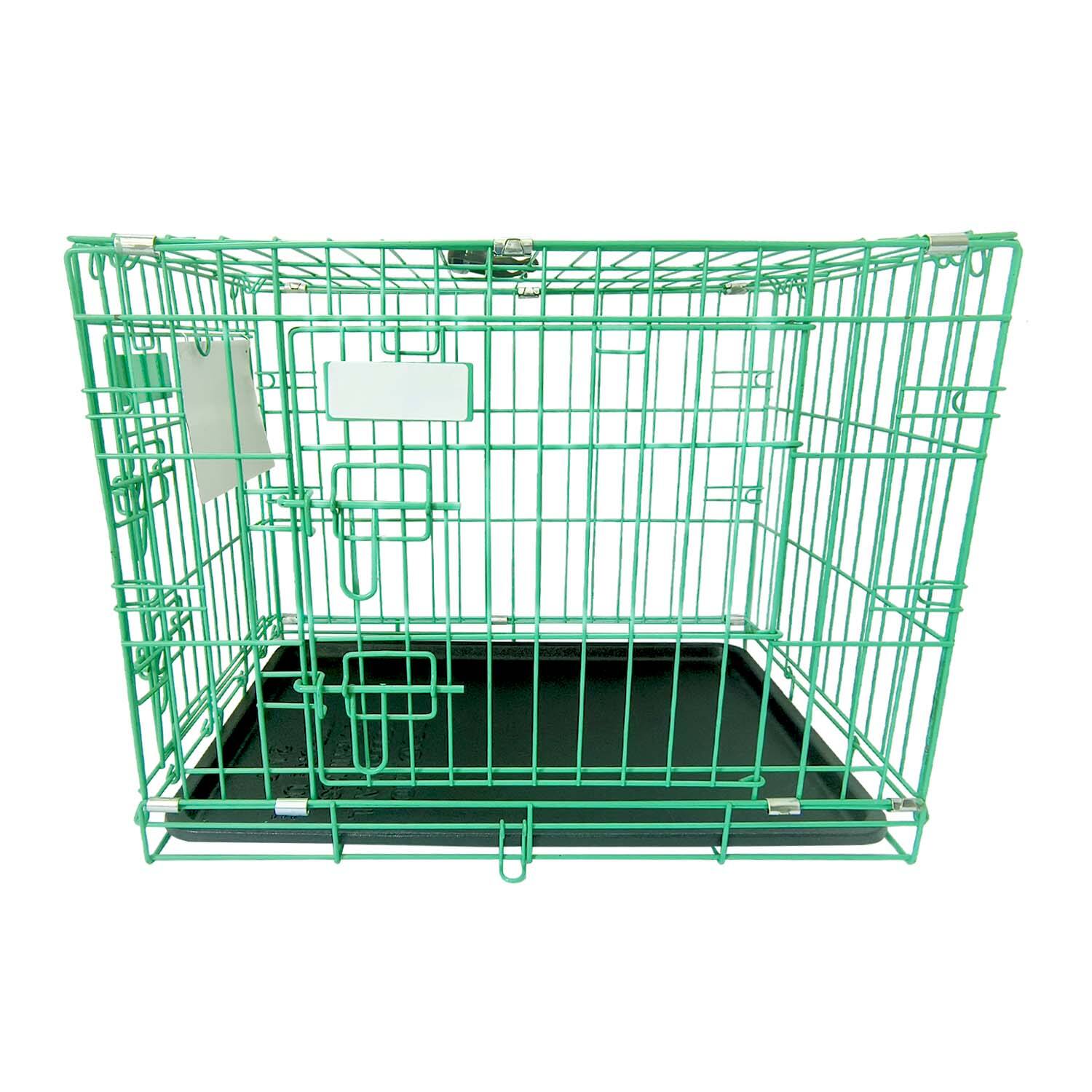
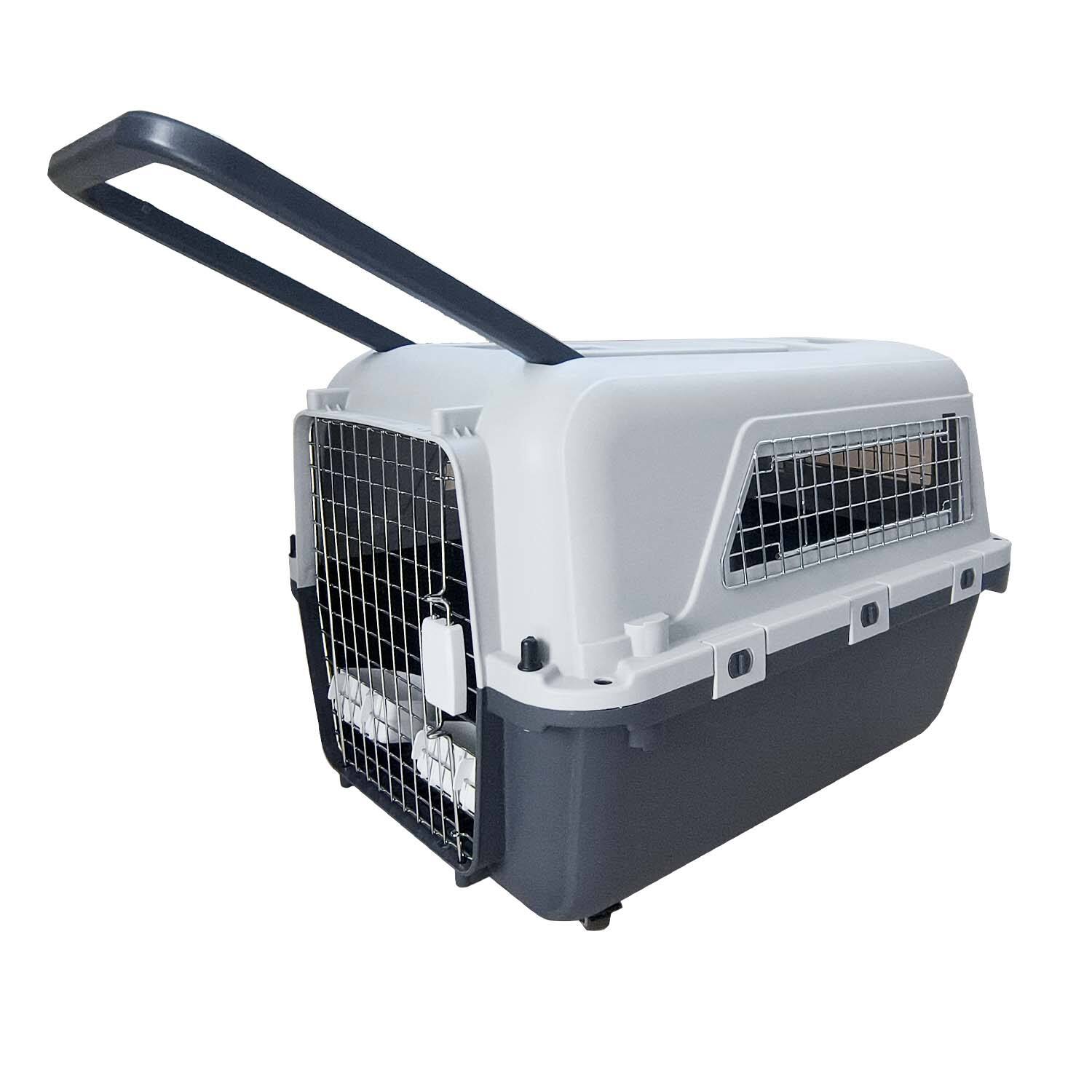
Modernsed ettevõtted silmitsuvad üha suuremate väljakutsetega, püüdes säilitada tõhusat tööruumi korraldust, inventuurihaldust ja operatiivset voogu. Tõhusad salvestusvahendid on kujunenud põhiliseks lahenduseks, mis muudavad kaootilised töökeskkonnad üle lihtsustatud, tootlike ruumideks. Need korraldusvahendid ulatuvad palju kaugemale kui lihtne sisustamine, mängides strateegilist rolli töötajate tootlikkuse parandamisel, operatiivkulu vähendamisel ja professionaalse atmosfääri loomisel, mis muljetab kliente ja huvirühmi.
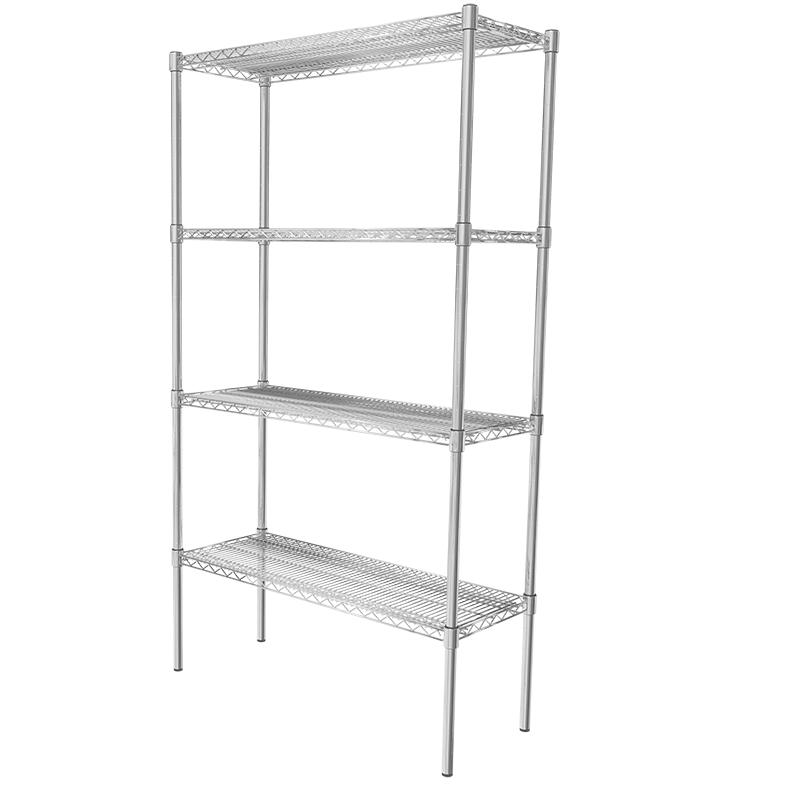
Õigete ladustamishoidjate kasutuselevõtt loob süsteemsed korralduslähenemised, mis levivad kogu ettevõtte tegevustesse. Ettevõtted, mis investeerivad kvaliteetsetesse ladustamislahendustesse, kogevad tavaliselt mõõdetavaid parandusi tootlikkuse näitajates, töötajate rahulolu hinnangutes ja üldises operatsioonilises tõhususes. Selle mõistmine, kuidas need tööriistad panustavad äritegevuse edukusele, nõuab nende mitmekülgse mõju uurimist igapäevastele toimingutele ja pikaajalistele organisatsioonieesmärkidele.
Hoiukohad moodustavad aluse efektiivsele töökohtade haldamisele, lootes igale ärivarale määratud ruumid. Need korraldusvahendid kaotavad aeganõudva otsimisprotsessi, mis häirib korraldumata töökeskkondi, võimaldades töötajatel vajalikud esemed leida sekundites, mitte minutites. Professionaalsed hoiukohad vastavad erinevatele ärianvedele – dokumentide haldamisest kuni varustuse ladustamiseni – tagades, et iga ruutmeeter tööruumi täidaks tootlikku eesmärki.
Hoiukohtade strateegiline paigutus muudab segaseks olevad alad funktsionaalseteks tsoonideks, mis toetavad konkreetseid äritegevusi. Kui töötajad saavad kiiresti ligipääsu vahenditele, tarvikutele ja dokumentidele, siis nende tähelepanu jääb väärtust loovatele ülesannetele, mitte haldusotsingutele. See suurendatud efektiivsus tõlgub otse paremini väljundi kvaliteediks ja suurendab igapäevast tootlikkust kõigis äriüksustes.
Tõhusad hoiukohad võimaldavad ettevõtetel rakendada keerukaid inventuurihalduse süsteeme, mis tagavad reaalajas pildi varude saadavusest ja kasutusmustritest. Need organiseerivad struktuurid tagavad täpse laoseisu loendamise, vähendavad varude kadu ja takistavad kallite üleliigsete tellimuste tekkimist, mis koormavad ettevõtte eelarvet. Kaasaegsed hoiukohad toetavad erinevaid inventuuri jälitamise meetodeid – lihtsatest visuaalsetest süsteemidest kuni edasijõudnud vöötkoodi skaneerimistehnoloogiani.
Kvaliteetsete hoiukohtade pakutav süstemaatiline korraldus kõrvaldab inventuuri mittesobivused, mis tulenevad sageli halbadest ladustamistavade praktikatest. Kui esemetel on määratletud ladustamisasukoht paremini läbi mõeldud hoiukohas, suudavad ettevõtted pidada täpseid inventuuri andmeid, mis toetavad teaduspõhiseid ostuotsuseid ja optimaalse laoseisu hoidmist kogu töötsükli vältel.
Hoolikalt korraldatud hoiukohad vähendavad töökoha stressi märkimisväärselt, kuna elimineeritakse frustratsioon esemetega nende kadumise tõttu või segase keskkonna tingimustes töötamisel. Korraldatud ruumides töötavad töötajad teatavad kõrgematest töörõmud tasemetest ja kogevad vähem ärevust seoses tööruumi haldusega. Korraldatud keskkondade psühholoogilised eelised ulatuvad kaugemale üksikisiku komfordinist ning mõjutavad tiimide koostööd ja üldist töömorali.
Hoiukohad loovad ettearvatavaid töökeskkondi, kus töötajad saavad arendada tõhusaid rutinoomi ja keskenduda oma põhitegevustele. See ettearvatus vähendab kognitiivkoormust ning võimaldab töötajatel suunata oma vaimset energiat loomingulisele probleemilahendamisele ja strateegilisele mõtlemisele, mitte aga põhilistele organisatsioonilistele ülesannetele, mida peaksid haldama sobivad hoiusüsteemid.
Ühise salvestusruumi hoidjad tagavad sujuva koostöö, kuna kõik autoriseeritud personalil on juurdepääs meeskonna ressurssidele. Kui salvestussüsteemid säilitavad järjepidevad korraldusstandardid, saavad meeskonnaliikmed hõlpsalt leida ja jagada vajalikke materjale, segamata sellega kolleegide tööd ega katkestamata töövooge. See juurdepääsetavus soodustab teadmiste jagamist ja vähendab kitsaskohti, mis tekivad siis, kui olulised ressursid jäävad kinni üksikutest töökohtadest.
PROFESSIONAALNE hoidjaid toetavad koostööprojektide juhtimist, pakkudes keskendunud asukohad projektimaterjalidele, dokumentatsioonile ja tööriistadele. Meeskonnad, kes töötavad keerukatel algatustel, saavad kasu eraldatud salvestuslahendustest, mis säilitavad projekti terviklikkuse ja võimaldavad mitmetel kaastöölistel juurdepääsu vajalikele ressurssidele kogu projekti elutsükli vältel.
Kvaliteetsete hoidjate kasutamine kaitseb ettevõtte varasid kahjustuste, varguse ja kadumise eest, pakkudes turvalisi ja korralikult organiseeritud säilituslahendusi. Õigetes hoidjates säilitatavad esemed kulumine vähem kui need, mis on jätetud korralikesse keskkondadesse, kus nende kahjustumine võib tekkida sobimatu käitlemise või keskkonnamõjude tõttu. See kaitse pikendab ettevõtte varade kasulikku eluiga ja vähendab asenduskulusid pikas perspektiivis.
Hoidjate pakutav süsteemne organisatsioon võimaldab ettevõtetel pidada täpset inventuuri, mis takistab vajadust tarbetute duplikaatkupangute järele. Kui töötajad saavad kiiresti kontrollida olemasolevaid laoseisu korralike säilitussüsteemide kaudu, vältivad ettevõtted kallist vea tegemist tellides juba laos olevaid tooteid, mis on peidetud korralike säilituskohtades.
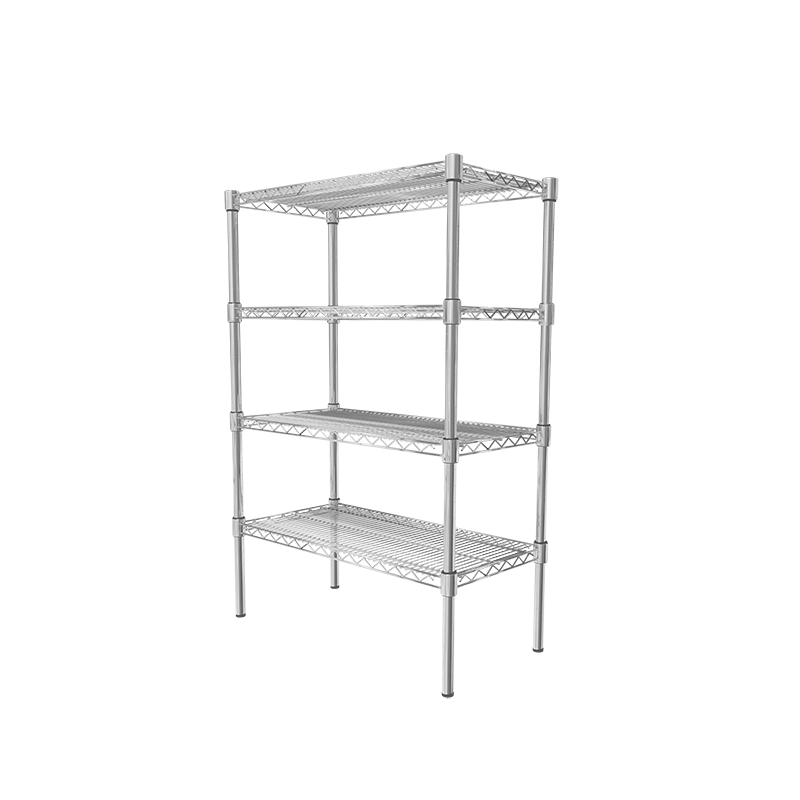
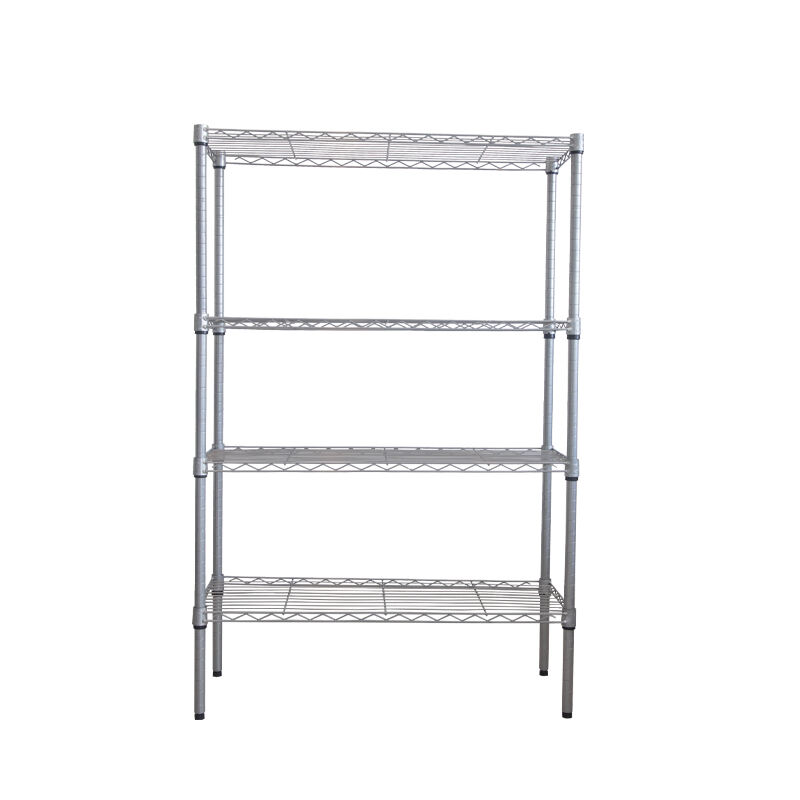
Laohoidikute strateegiline rakendamine maksimeerib olemasoleva äritegevusruumi kasutust, võimaldades vältida kallite hoonete laiendamise vajadust või täiendava ladustamise rendimist. Need korraldusvahendid kasutavad vertikaalset ruumi ja loovad tõhusa ladustamistiheduse, mis vastab kasvavatele äri-eesmärkidele praeguste hoonete piires. Tõhus ruumikasutus sobivate laohoidikute abil võib edasi lükata või täielikult vältida olulisi kinnisvara-investeeringuid.
Kaasaegsed laohoidikud sisaldavad moodulüleseid disaine, mis kohanevad muutuvate ärieesmärkidega ilma süsteemi täieliku asendamiseta. See kohanduvus annab pikaajalist väärtust, võimaldades ärikasvu ja muutuvaid ladustamisvajadusi rahuldada ümberkonfigureerimise teel, mitte organisatsioonilise infrastruktuuri täieliku vahetamisega.
Kaasaegsed ladustamishoidjad integreeruvad suumelt digitaalsete inventuurihalduse süsteemidega, mis pakuvad reaalajas pilti vara asukohtadest ja saadavusest. Need nutikad ladustamislahendused kasutavad RFID-tehnoloogiat, vöötkoodide skaneerimist ja mobiilirakendusi, et luua automaatseid jälgimissüsteeme, mis kõrvaldavad käsitsi toimuvad inventuuri protsessid. Tehnoloogia ja füüsiliste ladustamishoidjate ühendamine loob hõlpsasti haldatava varade halduse ökosüsteemi, mis toetab andmetele baseeruvat otsustamist.
Edasijõudnud ladustamishoidjad digitaalsete liideste võimekusega võimaldavad ettevõtetel rakendada ennustavat hoolduskava, automaatseid uuesti tellimise punkte ja kasutusanalüütikat, mis optimeerivad varude taset ja vähendavad kandekulusid. Need tehnoloogilised täiustused muudavad lihtsad ladustamishoidjad nutikateks äriinstrumentideks, mis aitavad kaasa operatsioonilisele tõhususele ja strateegilisele planeerimisele.
Moderned hoiustusvahendid pakuvad laiapõhjalikke kohandamisvõimalusi, mis vastavad konkreetsetele ärieesmärkidele ja tööstusharude standarditele. Neid paindlikke lahendusi saab seadistada toetama unikaalseid hoiustusvajadusi – erialase varustuse hoiukorrast kuni dokumentide arhiivisüsteemideni. Hoiustusvahendite kohandamise võime tagab ettevõtetele organisatsiooniliste standardite säilitamise samal ajal, kui need kohanevad muutuvate operatiivsete nõuetele.
Skaleeruvad hoiustusvahendid kasvavad koos ettevõtte laienemisega, pakkudes järjepidevaid organisatsioonilisi raamistikke, mis säilitavad efektiivsuse kiire kasvuperioodi jooksul. See skaleeritavus kõrvaldab tüüpilise segaduse, mis kaasneb uute organisatsioonisüsteemide elluviimisega, ja tagab, et hoiustusvahendid jätkaksid väärtuse andmist kogu ettevõtte arengutsükli vältel.
Tootmissetingitel toetuvad ettevõtted ladustamishoidjatele, et säilitada korralikud tööriistade inventuurid, osade hoiustamine ja poolelioleva tootmise jälgimissüsteemid, mis toetavad lean-tootmise meetodit. Need korraldusvahendid võimaldavad just-in-time tootmist, tagades, et komponendid ja tööriistad oleks vajadusel kergesti saadaval. Tootmiskeskkonnas peavad ladustamishoidjad vastu pidama tööstustingimustele, samal ajal säilitades korraldusliku terviklikkuse nõudlike tootmisgraafikute jooksul.
Kvaliteedikontrolliprotsessid saavad olulist kasu korralikest ladustamishoidjatest, mis hoiavad selgelt eraldi kinnitatud ja tagasi lükatud materjalid, tagades toote kvaliteedinõuete järjepidevuse kogu tootmisprotsessi vältel. Tööstuslike ladustamishoidjate pakutav süsteemne korraldus toetab reguleerivaid vastavusnõudeid ning võimaldab tõhusaid kvaliteedigarantii protseduure.
Kontorikeskkonnad kasutavad dokumendivoogude, varude ja seadmete hoidmiseks mõeldud paigutushoidikuid, mis toetavad igapäevaseid haldusfunktsioone. Need korraldusvahendid loovad professionaalse väljanägemise, mis muljetab kliente, samas kui tagavad töötajatele kiire juurdepääsu vajalikele ressurssidele. Kaasaegsed kontoripaigutuse hoidikud sisaldavad esteetilisi disainilahendusi, mis sobivad hästi professionaalsesse sisekujundusse, säilitades samas funktsionaalse tõhususe.
Halduslikud paigutuse hoidikud toetavad dokumentide säilitamise poliitikaga ja konfidentsiaalse teabe ohutusnõuetega vastavust, pakkudes turvalisi ja korraldatud lahendusi tundlike materjalide hoidmiseks. Nende vahendite pakutav süsteemne korraldus võimaldab auditite ja regulatiivsete kontrollide ajal kiiret dokumentide otsimist ning säilitab ettevõtte tegutsemise jooksul professionaalsed standardid.
Eduka ladustamishoidjate rakendamine algab olemasolevate organisatsiooniliste väljakutsete põhjaliku hinnanguga ja konkreetsete parandusvõimaluste tuvastamisega. Ettevõtetele tuleks analüüsida töövoosid, inventuuri nõudeid ja ruumipiiranguid, et määrata optimaalsed ladustamishoidjate konfiguratsioonid, mis kõrvaldavad olemasolevad ebatõhusused. See planeerimisfaas tagab, et ladustamise investeeringud annaks maksimaalse tasu sihtotstarbeliste lahendustena, mis lahendavad tegelikke operatsiooniprobleeme.
Professionaalsed hindamisprotsessid uurivad nii praegusi vajadusi kui ka tulevase kasvu prognoose, et valida hoidjad, mis vastaksid muutuvatele ärieesmärkidele. See edasipüüdlik lähenemine takistab sagedaste süsteemide asendamise vajadust ja tagab, et organisatsiooni investeeringud pakuvad pikaajalist väärtust kogu äretarengu tsükli vältel.
Tõhusad ladustamishoidjate süsteemid nõuavad põhjalikku töötajate koolitust, mis kindlustab järjepideva kasutusstandardi ja hooldusmenetlused. Koolitusprogrammid peaksid käsitlema õigeid käsitsemismeetodeid, organisatsioonilisi protokolle ja valitud ladustamishoidjatele spetsiifilisi ohutusnõudeid. Hästi koolitatud töötajad maksimeerivad ladustamissüsteemide tõhususe, säilitades korraldusstandardid, mis ajas säilitavad süsteemi terviklikkuse.
Regulaarsed hooldusgrafikud tagavad, et ladustamishoidjad säilitaksid optimaalse toimivuse kogu oma kasutusaja vältel. Need hooldusprogrammid peaksid hõlmama puhastusmenetlusi, struktuurikontrolle ja asendusprotokolle, mis takistavad süsteemi degradatsiooni ja säilitavad organisatsiooniline efektiivsuse. Ennetav hooldus pikendab ladustamishoidjate eluiga ning säilitab nende organisatsioonilised eelised.
Kõikidel ettevõtetel võib olla kasu korralikest salvestuspidsemetest, kuid suurima kasu saavad organisatsioonid, kellel on oluline inventar, varustus või dokumentide halduse vajadused. Tootmisettevõtted, jaekaubandusettevõtmised, professionaalteenuste firmad ja tervishoiuasutused saavutavad tavaliselt olulisi tootlikkuskasve ja kulu vähenemist süsteemsete salvestuspidsemite rakendamise kaudu, mis aitab lahendada nende konkreetseid organisatsioonilisi probleeme.
Salvestuspidsemid parandavad töökoha ohutust, kuna eemaldatakse segadus, mis tekitab libisemisohtu, tagatakse ohtlike materjalide turvaline hoidmine ning tagatakse, et hädaolukorras vajalik varustus oleks alati kergesti kättesaadav. Korraldatud salvestussüsteemid vähendavad ka vigastuste ohtu, mis on seotud segases keskkonnas otsimisega või ebakorralikult hoitud esemetega, mis võivad käitlemise ajal ootamatult kukkuda või liikuda.
Ettevõtted peaksid hoidikute valimisel hindama koormuskandevõime nõudeid, keskkonnamõjusid, ruumipiiranguid ja integreerimisvajadusi. Lisaks tuleb arvestada vastupidavuse nõuetega, hooldusvajadustega, skaalatavuse võimalustega ning olemasolevate organisatsioonisüsteemidega ühilduvusega. Valikuprotsessis tuleks arvestada ka tulevase kasvu prognoose ja muutuvaid hoiuruumi vajadusi.
Tagastusinvesteeringu mõõtmine peaks jälgima tootlikkuse parandamist, inventuuri täpsuse kasvu, ruumi kasutamise efektiivsust ja otsinguaegade vähendamist enne ja pärast hoidikute paigaldamist. Ettevõtted võivad mõõta ka vara kaitse eeliseid, töötajate rahulolu parandamist ja hoonete kulude säästmist, et arvutada põhjalikku tagastusinvesteeringut oma organisatsiooniliste investeeringute kohta süstemaatilise jõudluse jälgimise ja analüüsi kaudu.
 Külm uudised
2024-05-27
2024-05-27
2024-05-27

Autoriõigus © 2026 Top Trust Biotechnology Co., Ltd Kõik õigused kaitstud Privaatsuspoliitika
 EN
EN
 AR
AR
 FR
FR
 PT
PT
 ES
ES
 VI
VI
 BG
BG
 HR
HR
 CS
CS
 DA
DA
 NL
NL
 FI
FI
 DE
DE
 EL
EL
 HI
HI
 IT
IT
 JA
JA
 KO
KO
 NO
NO
 PL
PL
 RO
RO
 RU
RU
 SV
SV
 TL
TL
 IW
IW
 SK
SK
 SL
SL
 ET
ET
 HU
HU
 TH
TH
 TR
TR
 MS
MS
 IS
IS
 KA
KA
 BN
BN
 LA
LA
 MN
MN
 NE
NE
 UZ
UZ