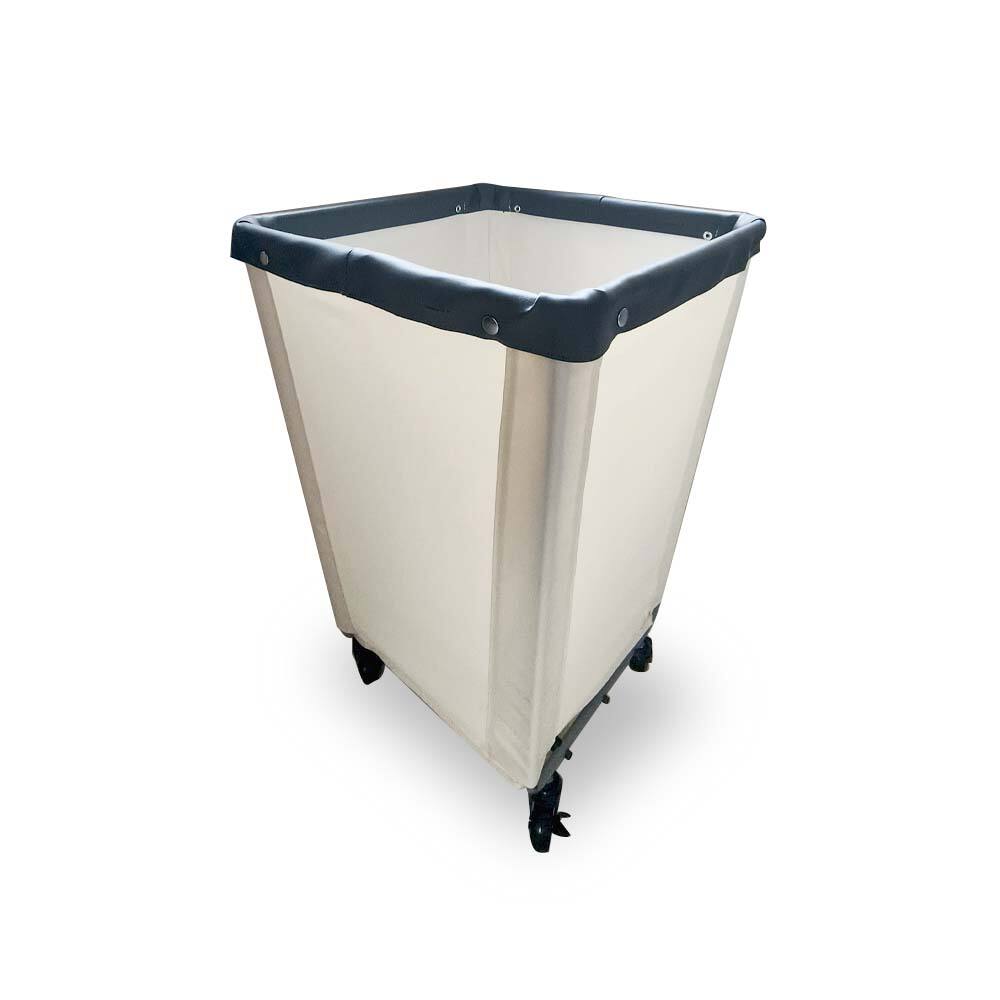
Όταν πραγματοποιούνται μαζικές αγορές για εμπορικά ή οικιστικά ακίνητα, η αξιολόγηση της αντοχής των λύσεων αποθήκευσης γίνεται κρίσιμη προκειμένου να εξασφαλιστεί η μακροπρόθεσμη αξία και λειτουργικότητα. Τα καλάθια αποθήκευσης αποτελούν απαραίτητα εργαλεία οργάνωσης σε διάφορους τομείς, από τη φιλοξενία και την υγεία μέχρι το λιανικό εμπόριο και τις βιομηχανικές εγκαταστάσεις. Η κατανόηση των βασικών παραγόντων αντοχής πριν τη δέσμευση για μεγάλες ποσότητες μπορεί να αποτρέψει δαπανηρές αντικαταστάσεις και διαταραχές στη λειτουργία στο μέλλον.
Οι οικονομικές επιπτώσεις μιας ανεπαρκούς αξιολόγησης της ανθεκτικότητας εκτείνονται πέρα από το αρχικό κόστος αγοράς. Οι διευθυντές εγκαταστάσεων και οι ειδικοί προμηθειών πρέπει να λαμβάνουν υπόψη τη συχνότητα αντικατάστασης, τις απαιτήσεις συντήρησης και την επίδραση στις καθημερινές λειτουργίες όταν οι λύσεις αποθήκευσης αποτύχουν πρόωρα. Επαγγελματικές τεχνικές αξιολόγησης βοηθούν στον εντοπισμό ανώτερων προϊόντων που αντέχουν σε συνθήκες έντονης χρήσης, διατηρώντας τη δομική ακεραιότητα και την αισθητική εμφάνιση καθ' όλη τη διάρκεια του κύκλου ζωής τους.
Οι σύγχρονες καλάθες αποθήκευσης χρησιμοποιούν διάφορα συνθετικά υλικά που έχουν σχεδιαστεί για συγκεκριμένα χαρακτηριστικά απόδοσης. Το πολυπροπυλένιο και το πολυαιθυλένιο αποτελούν συνηθισμένες επιλογές λόγω της αντοχής τους στις χημικές ουσίες και της ανοχής τους σε κρούση. Το υψηλής πυκνότητας πολυαιθυλένιο προσφέρει ανωτέρη αντοχή έναντι ρωγμών υπό πίεση, ενώ το πολυπροπυλένιο παρέχει εξαιρετική ευελιξία και σταθερότητα σε θερμοκρασία. Η κατανόηση αυτών των ιδιοτήτων των υλικών επιτρέπει στους αγοραστές να ταιριάξουν τις προδιαγραφές των καλαθιών αποθήκευσης με τα προσδικόμενα περιβάλλοντα χρήσης και τις απαιτήσεις φόρτωσης.
Προηγμένες πολυμερικές διαμορφώσεις περιλαμβάνουν σταθεροποιητές UV και πρόσθετα για βελτίωση της αντοχής, ώστε να ενισχύεται η μακροπρόθεσμη απόδοση. Αυτά τα πρόσθετα εμποδίζουν την υποβάθμιση του υλικού λόγω έκθεσης στο φως του ήλιου και βελτιώνουν την αντίσταση σε αιφνίδιες κρούσεις ή πτώσεις. Η εξέταση των τεχνικών προδιαγραφών ως προς την περιεκτικότητα σε πρόσθετα παρέχει επίγνωση για την αναμενόμενη διάρκεια ζωής υπό διάφορες περιβαλλοντικές συνθήκες. Οι ποιοτικοί κατασκευαστές τεκμηριώνουν ξεκάθαρα τη σύνθεση του υλικού και τις βαθμολογίες απόδοσης, ώστε να είναι δυνατές ενημερωμένες αποφάσεις αγοράς.
Υφασμένα υλικά όπως το ρατσάν, το μπαμπού και το θαλάσσιο χορτάρι προσφέρουν αισθητική έλξη, αλλά απαιτούν προσεκτική αξιολόγηση της αντοχής τους για εμπορικές εφαρμογές. Οι φυσικές ίνες παρουσιάζουν διαφορετική αντίσταση στην υγρασία, τις διακυμάνσεις θερμοκρασίας και τη μηχανική τάση. Οι κατάλληλες διεργασίες επεξεργασίας επηρεάζουν σημαντικά τη διάρκεια ζωής, με ποιοτικά υφασμένα καλάθια να διαθέτουν προστατευτικά επιχρίσματα ή σταθεροποιητικές επεξεργασίες που ενισχύουν τη δομική ακεραιότητα και την αντίσταση σε περιβαλλοντικούς παράγοντες.
Η υβριδική κατασκευή, η οποία συνδυάζει φυσική αισθητική με συνθετική ενίσχυση, παρέχει ισορροπημένη απόδοση για διακοσμητικές αλλά και λειτουργικές εφαρμογές. Αυτοί οι σχεδιασμοί περιλαμβάνουν εσωτερικά πλαίσια ή στρατηγική ύφανση με συνθετικά υλικά για να διατηρηθεί η εμφάνιση, ενώ βελτιώνεται η φέρουσα ικανότητα και η ανθεκτικότητα. Η αξιολόγηση της ποιότητας ενσωμάτωσης μεταξύ φυσικών και συνθετικών στοιχείων βοηθά στην πρόβλεψη της συνολικής διάρκειας ζωής του προϊόντος και των απαιτούμενων συντηρητικών εργασιών.
Η κατάλληλη αξιολόγηση φέρουσης ικανότητας περιλαμβάνει τη δοκιμή της μέγιστης χωρητικότητας σε βάρος και των προτύπων κατανομής βάρους. Η ομοιόμορφη φόρτιση διαφέρει σημαντικά από τις συγκεντρωμένες φορτίσεις, καθώς πολλές αποθήκευσης καλάθια λειτουργούν ικανοποιητικά υπό κατανεμημένο βάρος, αλλά αποτυγχάνουν όταν βαριά αντικείμενα συγκεντρώνουν την πίεση σε συγκεκριμένες περιοχές. Τα επαγγελματικά πρωτόκολλα δοκιμών προσομοιώνουν σενάρια πραγματικής χρήσης για τον εντοπισμό πιθανών σημείων αποτυχίας πριν από τη μαζική εγκατάσταση.
Οι δυναμικές συνθήκες φόρτωσης παρουσιάζουν επιπλέον προκλήσεις σε σύγκριση με τις δοκιμές στατικού βάρους. Οι επαναλαμβανόμενοι κύκλοι φόρτωσης και αφόρτωσης, οι οποίοι είναι συνηθισμένοι σε εμπορικά περιβάλλοντα, δημιουργούν τάσεις κόπωσης που σταδιακά αδυνατίζουν τα δομικά στοιχεία. Οι ποιοτικοί καλάθι αποθήκευσης σχεδιασμοί περιλαμβάνουν ενισχυτικά χαρακτηριστικά όπως ραβδωτά πυθμένες, ενισχυμένες λαβές και στρατηγικές μεταβολές πάχους για να διανέμουν αποτελεσματικά την τάση σε όλη τη δομή.
Οι μέθοδοι σύνδεσης λαβών επηρεάζουν σημαντικά τη συνολική αντοχή, ιδιαίτερα υπό συνθήκες μεγάλης φόρτωσης. Οι ενσωματωμένες λαβές με έντονη διαμόρφωση παρέχουν γενικά ανώτερη αντοχή σε σύγκριση με εξαρτήματα που προσαρτώνται ξεχωριστά, καθώς εξαλείφουν πιθανά σημεία αδυναμίας όπου ενώνονται διαφορετικά υλικά. Η εξέταση του σχεδιασμού της λαβής, της ενίσχυσης της σύνδεσης και των μηχανισμών διανομής φορτίου βοηθά στην πρόβλεψη της απόδοσης υπό τυπικά πρότυπα χρήσης.
Τα σημεία σύνδεσης μεταξύ των τμημάτων του καλαθιού, των λαβών και των στοιχείων ενίσχυσης αποτελούν κρίσιμες περιοχές αξιολόγησης. Η ποιοτική κατασκευή περιλαμβάνει ομαλες μεταβάσεις, επαρκή πάχος υλικού και κατάλληλο σχεδιασμό διανομής φορτίων. Η οπτική επιθεώρηση για αιχμηρα άκρα, λεπτά τοιχώματα ή ανεπαρκή ενίσχυση σε περιοχές υψηλής τάσης παρέχει άμεση επισκόπηση σε πιθανά ζητήματα ανθεκτικότητας που θα μπορούσαν να οδηγήσουν σε πρόωρη αποτυχία.
Οι περιβαλλοντικές συνθήκες επηρεάζουν σημαντικά την ανθεκτικότητα του καλαθιού αποθήκευσης, με τις ακραίες θερμοκρασίες να προκαλούν διαστολή, συστολή και πιθανή δομική αποτυχία του υλικού. Η επαγγελματική αξιολόγηση περιλαμβάνει δοκιμές κυκλοφορίας θερμοκρασίας που προσομοιώνουν εποχικές μεταβολές και αιφνίδιες αλλαγές θερμοκρασίας. Τα υλικά που διατηρούν ευλυτότητα και αντοχή σε ευρείς έλκονες θερμοκρασίας εξασφαλίζουν σταθερή απόδοση σε διαφορετικά λειτουργικά περιβάλλοντα.
Η αντοχή σε θερμικές κρούσεις γίνεται ιδιαίτερα σημαντική για τα καλάθια αποθήκευσης που χρησιμοποιούνται σε εγκαταστάσεις με μεταβλητό κλιματισμό ή για εξωτερική χρήση. Υλικά υψηλής ποιότητας αντιστέκονται στο ραγίσμα, στρέβλωση ή την εμφάνιση ευθραύστου συμπεριφοράς όταν εκτίθενται σε απότομες αλλαγές θερμοκρασίας. Οι κατασκευαστές συχνά παρέχουν προδιαγραφές θερμοκρασιακής αντοχής που καθοδηγούν στην κατάλληλη επιλογή εφαρμογής και στις αναμενόμενες παραμέτρους απόδοσης.
Τα καλάθια αποθήκευσης συχνά έρχονται σε επαφή με καθαριστικά χημικά, υγρασία και διάφορες ουσίες που μπορούν να προκαλέσουν φθορά των υλικών με την πάροδο του χρόνου. Η δοκιμή αντίστασης σε χημικές ουσίες αξιολογεί την απόδοση των υλικών όταν εκτίθενται σε συνηθισμένα καθαριστικά, απολυμαντικά και λειτουργικές ουσίες. Η κατανόηση της χημικής συμβατότητας προλαμβάνει την καταστροφή των υλικών, η οποία θα μπορούσε να απειλήσει τη δομική ακεραιότητα ή να δημιουργήσει κινδύνους ασφάλειας.
Οι χαρητηριστικές απορρόφησης υγρασίας επηρεάζουν τόσο την ανθεκτικότητα όσο και τις παροντές υγιεινής. Τα μη πορώδη υλικά ανθιστεκούν στη διείσδση υγρασίας, η οποία θα μπορούσε να οδηγήσει σε ανάπτξη μύκητων, παραμονή οσμών ή διάβρωση της δομής. Η αξιολόηηση του σχεδίου αποστράγησης, των επιφανειακών επεξερασιών και της πορώδητητας των υλικών βοηθά στην πρόβλεψη της μακροπρόθεσμης απόδοσης σε υγρείς περιβάλλοντες ή σε εφαρμογές που περιλαμβάνουν υγρά αντικείμενα.
Η ποιότητα της κατασκευής συσχετίζεται άμεσα με την ανθεκτικότητα, κάνοντας την αξιολόηηση της συνέπειας της κατασκευής απαραίτητη για τις χονευτικές αγορές. Ομοιόμορφο πάχος τοίχωματος, σταθερά μοτίβα ύφανσης και ορθή κατανομή υλικών δείχνουν ελεγχόμενες διαδικασίες παραγωγής που παράγουν αξιόπιστα προϊόντα. Οι παραλλαές στην ποιότητα της κατασκευής συχνά προβλέπουν ακανόνιστη απόδοση και πρόωρη βλάβη κατά τη λειτουργική χρήση.
Η ποιότητα τελικής επεξεργασίας της επιφάνειας αντανακλά τα γενικά πρότυπα κατασκευής και την προσοχή στη λεπτομέρεια. Οι λείες επιφάνειες αντιστέκονται στη συσσώρευση βρωμιάς και υλικών, δείχνοντας παράλληλα σωστή επεξεργασία του υλικού και ποιότητα καλουπιού. Η κακή ποιότητα επιφάνειας συχνά συνοδεύεται από άλλα ελαττώματα κατασκευής που υπονομεύουν τη μακροπρόθεσμη ανθεκτικότητα και λειτουργικότητα.
Οι αξιόπιστοι κατασκευαστές εφαρμόζουν ολοκληρωμένα συστήματα ελέγχου ποιότητας με τεκμηριωμένα πρωτόκολλα δοκιμών και πρότυπα απόδοσης. Οι πιστοποιήσεις από τρίτους και η συμμόρφωση με διεθνή πρότυπα παρέχουν επιπλέον εγγύηση για συνεπή ποιότητα και ανθεκτικότητα. Η αίτηση τεκμηρίωσης ποιότητας και λεπτομερειών πιστοποίησης βοηθά στην επαλήθευση των δυνατοτήτων παραγωγής και της δέσμευσης για αριστεία του προϊόντος.
Η δοκιμή συνέπειας παρτίδων εξασφαλίζει ομοιόμορφη απόδοση σε αγορές μεγάλης ποσότητας. Οι κατασκευαστές ποιότητας διατηρούν λεπτομερείς εγγραφές σχετικά με τις πηγές υλικών, τις παραμέτρους επεξεργασίας και τα αποτελέσματα δοκιμών απόδοσης. Η τεκμηρίωση αυτή εξασφαλίζει εντοπισμό και παρέχει εμπιστοσύνη στη συνέπεια των μεγάλων παραγγελιών, μειώνοντας τον κίνδυνο λήψης προϊόντων με διαφορετικά χαρακτηριστικά ανθεκτικότητας.
Οι δοκιμές επιταχυνόμενης γήρανσης προσομοιώνουν χρόνια φυσιολογικής χρήσης σε συμπιεσμένα χρονικά πλαίσια, παρέχοντας πολύτιμες γνώσεις για την ανθεκτικότητα πριν από τη δέσμευση για μεγάλες παραγγελίες. Τα πρωτόκολλα αυτά εκθέτουν τα καλάθια αποθήκευσης σε αυξημένες θερμοκρασίες, υπεριώδη ακτινοβολία, μηχανική πίεση και χημική έκθεση για να προβλέψουν τη μακροπρόθεσμη απόδοση. Επαγγελματικά εργαστήρια δοκιμών χρησιμοποιούν τυποποιημένα πρωτόκολλα που συσχετίζουν τα επιταχυνόμενα αποτελέσματα με δεδομένα πραγματικής απόδοσης.
Οι δοκιμές κυκλικής φόρτισης αναπαράγουν τα επαναλαμβανόμενα πρότυπα χρήσης που είναι συνηθισμένα σε εμπορικές εφαρμογές. Κατά τις αξιολογήσεις αυτές, οι κάδοι αποθήκευσης υποβάλλονται σε χιλιάδες κύκλους φόρτισης και εκφόρτωσης, με παράλληλη παρακολούθηση για ενδείξεις κόπωσης, ρωγμών ή δομικής υποβάθμισης. Τα αποτελέσματα βοηθούν στην καθιέρωση ρεαλιστικών προσδοκιών για τη διάρκεια ζωής και στον εντοπισμό των βέλτιστων χρονοδιαγραμμάτων αντικατάστασης για τον λειτουργικό σχεδιασμό.
Η δοκιμή πιλοτικής εφαρμογής με μικρότερες ποσότητες παρέχει επαλήθευση σε πραγματικές συνθήκες των εργαστηριακών αξιολογήσεων αντοχής. Η εγκατάσταση δοκιμαστικών ποσοτήτων σε πραγματικά λειτουργικά περιβάλλοντα αποκαλύπτει χαρακτηριστικά απόδοσης που ίσως δεν εμφανίζονται σε ελεγχόμενες συνθήκες δοκιμής. Τα σχόλια από τους τελικούς χρήστες παρέχουν πρακτικές επισημάνσεις σχετικά με την απόδοση αντοχής υπό πραγματικά πρότυπα χρήσης και περιβαλλοντικές συνθήκες.
Η τεκμηρίωση των αποτελεσμάτων δοκιμών στο πεδίο δημιουργεί πολύτιμα βασικά δεδομένα για μελλοντικές αποφάσεις προμήθειας. Η παρακολούθηση μετρικών απόδοσης, όπως ποσοστά αποτυχίας, απαιτήσεις συντήρησης και ικανοποίηση χρηστών, παρέχει ποσοτικά στοιχεία σχετικά με τα χαρακτηριστικά αντοχής. Αυτές οι πληροφορίες υποστηρίζουν αποφάσεις ομαδικής αγοράς με μεγαλύτερη ασφάλεια και βοηθούν στη βελτιστοποίηση των προδιαγραφών για συγκεκριμένες εφαρμογές.
Η αξιολόγηση της αντοχής πρέπει να λαμβάνει υπόψη το συνολικό κόστος κατοχής και όχι μόνο την αρχική τιμή αγοράς. Καλάθια αποθήκευσης υψηλότερης ποιότητας με ανωτέρα αντοχή συχνά προσφέρουν καλύτερη μακροπρόθεσμη αξία μέσω μειωμένης συχνότητας αντικατάστασης και χαμηλότερων απαιτήσεων συντήρησης. Ο υπολογισμός του κόστους κύκλου ζωής, συμπεριλαμβανομένης της αντικατάστασης, της διάθεσης και των λειτουργικών επιπτώσεων, παρέχει ακριβείς συγκρίσεις κόστους μεταξύ διαφορετικών επιλογών.
Τα κόστη λειτουργικών διαταραχών που σχετίζονται με την πρόωρη αποτυχία των καλαθιών αποθήκευσης μπορούν σημαντικά να υπερβούν το κόστος αντικατάστασης. Οι εγκαταστάσεις που αντιμετωπίζουν συχνές αποτυχίες αντιμετωπίζουν απώλειες παραγωγικότητας, αυξημένα κόστη εργασίας για αντικαταστάσεις και πιθανούς κινδύνους ασφάλειας από βλαβμένον εξοπλισμό. Η ενσωμάτωση αυτών των κρυφών κοστών στην αξιολόγηση της ανθεκτικότητας δικαιολογεί την επένδυση σε προϊόντα υψηλότερης ποιότητας που παρέχουν αξιόπιστη μακροπρόθεσμη απόδοση.
Καλάθια αποθήκευσης υψηλής ποιότητας με αποδεδειγμένα χαρακτηριστικά ανθεκτικότητας παράγουν θετικές αποδόσεις μέσω επεκταθείσας διάρκειας ζωής και μειωμένων αναγκών συντήρησης. Ο υπολογισμός των περιόδων αποπληρωμής με βάση τα αποφευχθέντα κόστη αντικατάστασης και τα λειτουργικά οφέλη παρέχει σαφή οικονομική δικαιολόγηση για αγοραπωλησίες με έμφαση στην ανθεκτικότητα. Αυτοί οι υπολογισμοί γίνονται ιδιαίτερα πειστικοί για εφαρμογές υψηλού όγκου, όπου μικρές οικονομίες ανά μονάδα πολλαπλασιάζονται σε μεγάλες ποσότητες.
Η αξία μείωσης του κινδύνου αντιπροσωπεύει έναν επιπλέον παράγοντα απόδοσης της επένδυσης για λύσεις ανθεκτικής αποθήκευσης. Αξιόπιστα προϊόντα μειώνουν τον κίνδυνο διαταραχών στη λειτουργία, ατυχημάτων ασφάλειας και επειγόντων εξόδων αντικατάστασης. Η ποσοτικοποίηση αυτών των οφελών μείωσης του κινδύνου ενισχύει την επιχειρηματική υπόθεση για επένδυση σε επιλογές καλαθιών αποθήκευσης υψηλής αντοχής, οι οποίες έχουν αξιολογηθεί πλήρως.
Ζητήστε λεπτομερή τεχνική τεκμηρίωση, συμπεριλαμβανομένων προδιαγραφών υλικών, πρωτοκόλλων δοκιμών και δεδομένων απόδοσης από τους κατασκευαστές. Αναζητήστε πιστοποιήσεις από τρίτους και συμμόρφωση με αναγνωρισμένα βιομηχανικά πρότυπα. Σκεφτείτε τη διεξαγωγή ανεξάρτητων δοκιμών με δειγματικές ποσότητες πριν προχωρήσετε σε μαζικές αγορές και ζητήστε αναφορές από παρόμοιες εφαρμογές ή εγκαταστάσεις.
Η σύνθεση του υλικού και η ποιότητα της κατασκευής αποτελούν τους πιο αξιόπιστους δείκτες ανθεκτικότητας. Υψηλής ποιότητας συνθετικά υλικά με κατάλληλα πρόσθετα, σταθερή κατασκευή με ομοιόμορφο πάχος τοίχωματος και κατάλληλη ενίσχυση στα σημεία έντασης συνήθως συνδέονται με ανωτέρα διάρκεια. Επιπλέον, η εκτενής εγγύηση συχνά αντανακλάσει την εμπιστοσύνη του κατασκευαστή στην ανθεκτικότητα του προϊόνου.
Οι περιβαλλοντικές συνθήκες επηρεάζουν σημαντικά τις απαιτήσεις για ανθεκτικότητα και θα πρέπει να αποτελούν προτεραιότητα κατά την επιλογή προϊόντων. Παράγοντες όπως ακραίες θερμοκρασίες, επίπεδα υγρασίας, έκθεση σε χημικά και ακτινοβολία UV επηρεάζουν όλα την απόδοση των υλικών με την πάροδο του χρόνου. Η ταίριαξη των προδιαγραφών των καλαθιών αποθήκευσης με τις συγκεκριμένες περιβαλλοντικές συνθήκες διασφαλίζει βέλτιστη απόδοση και μεγιστοποιεί την επένδυση στην επένδυση.
Επικεντρώσεστε στο συνολικό κόστος ιδιοκτησίας αντί για την αρχική τιμή αγοράς όταν εξισορροπείτε αντοχή και προϋπολογισμό. Υπολογίστε τα κόστη κατά τον κύκλο ζωής, συμπεριλαμβανομένης της συχνότητας αντικατάστασης, των απαιτήσεων συντήρησης και των λειτουργικών επιπτώσεων, προκειμένου να εντοπίσετε την πιο οικονομικά αποδοτική επιλογή. Εξετάστε σταδιακές προσεγγίσεις υλοποίησης που επιτρέπουν την επαλήθευση απόδοσης πριν από την πλήρη εφαρμογή.

Πνευματικά δικαιώματα © 2026 Top Trust Biotechnology Co., Ltd. Με την επιφύλαξη παντός δικαιώματος Πολιτική απορρήτου
 EN
EN
 AR
AR
 FR
FR
 PT
PT
 ES
ES
 VI
VI
 BG
BG
 HR
HR
 CS
CS
 DA
DA
 NL
NL
 FI
FI
 DE
DE
 EL
EL
 HI
HI
 IT
IT
 JA
JA
 KO
KO
 NO
NO
 PL
PL
 RO
RO
 RU
RU
 SV
SV
 TL
TL
 IW
IW
 SK
SK
 SL
SL
 ET
ET
 HU
HU
 TH
TH
 TR
TR
 MS
MS
 IS
IS
 KA
KA
 BN
BN
 LA
LA
 MN
MN
 NE
NE
 UZ
UZ
 Επικαιρότητα