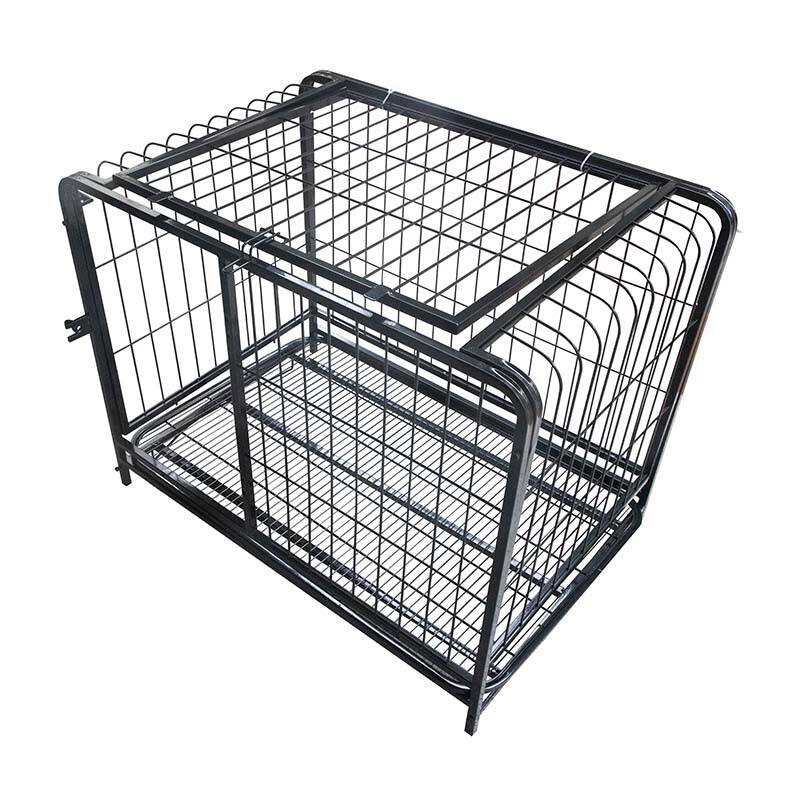
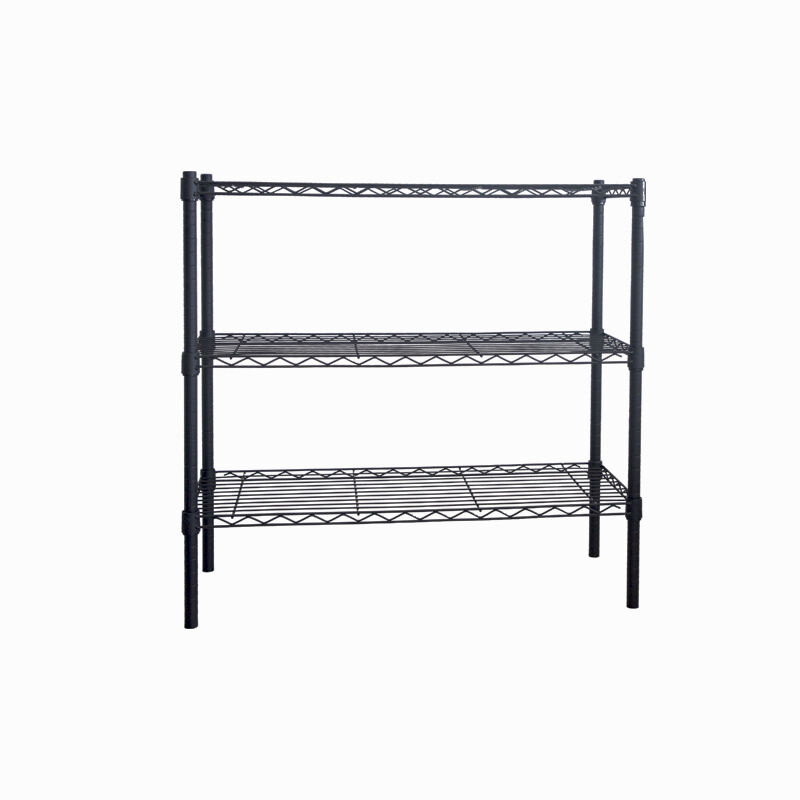
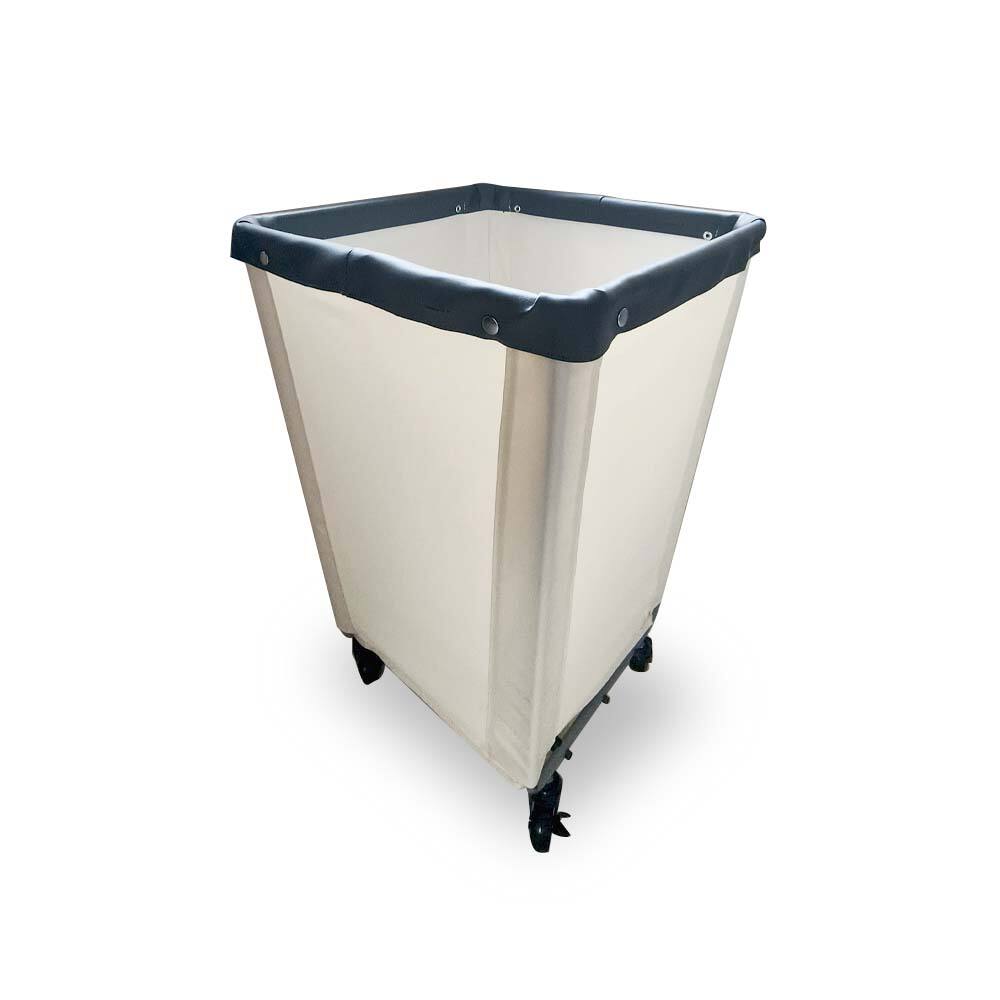
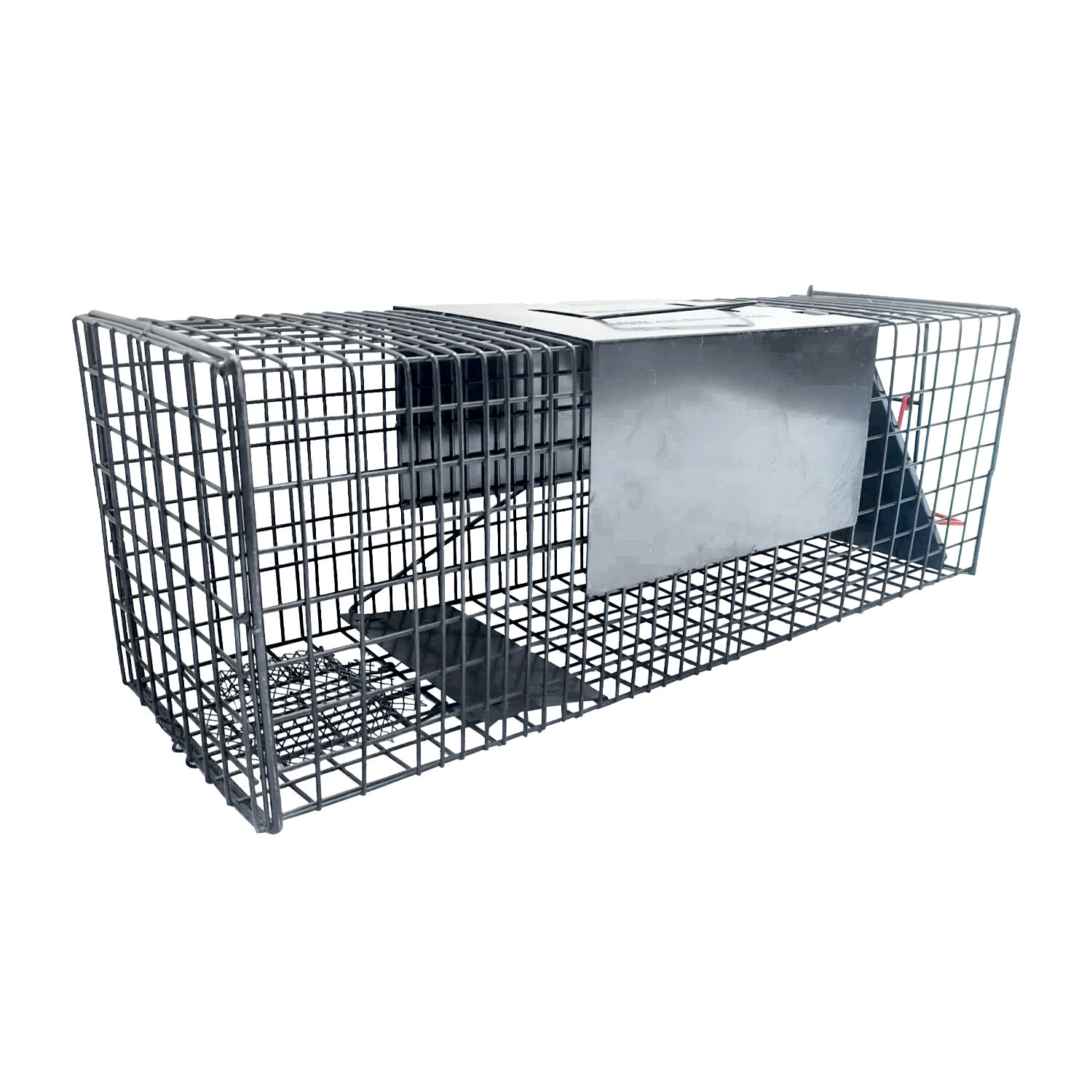
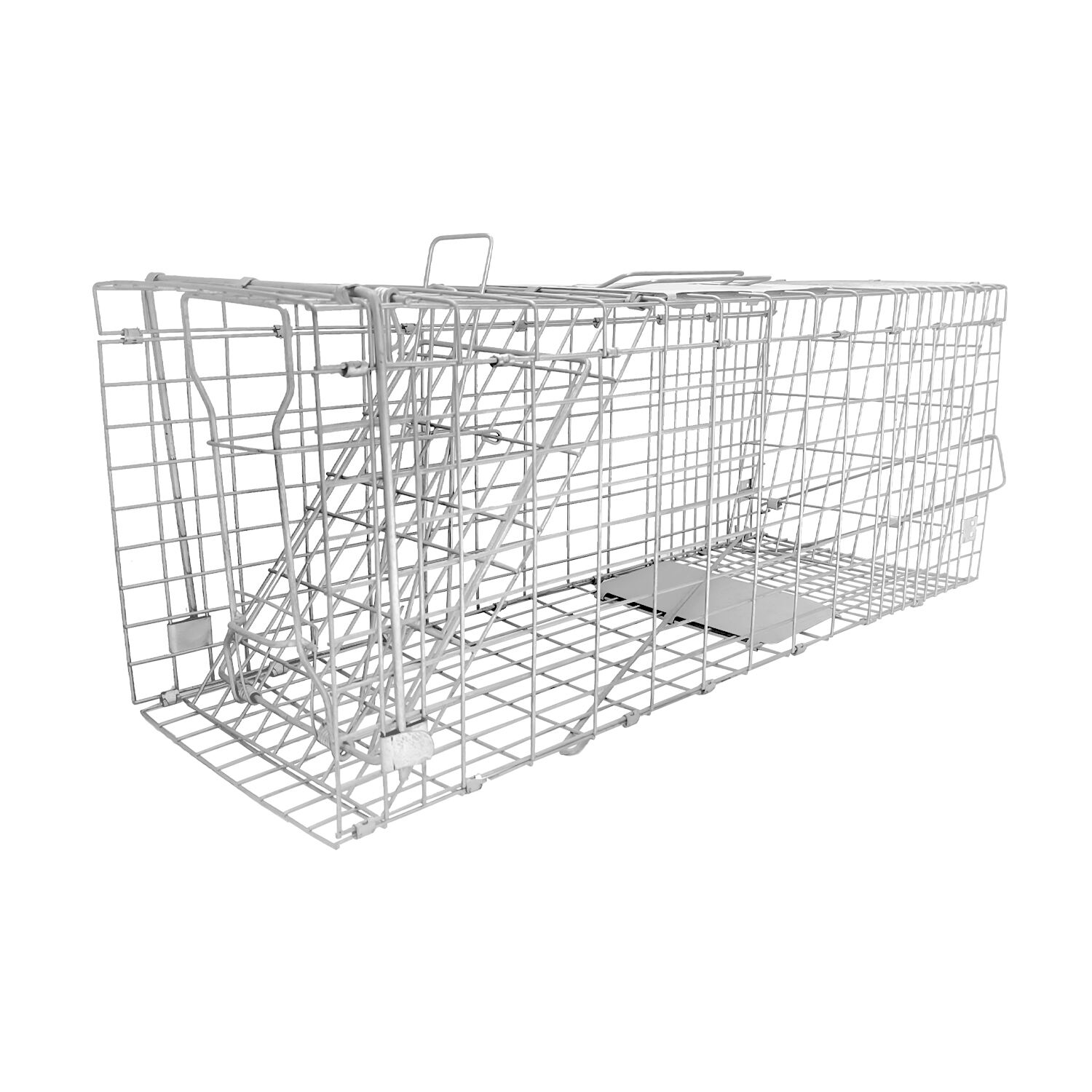
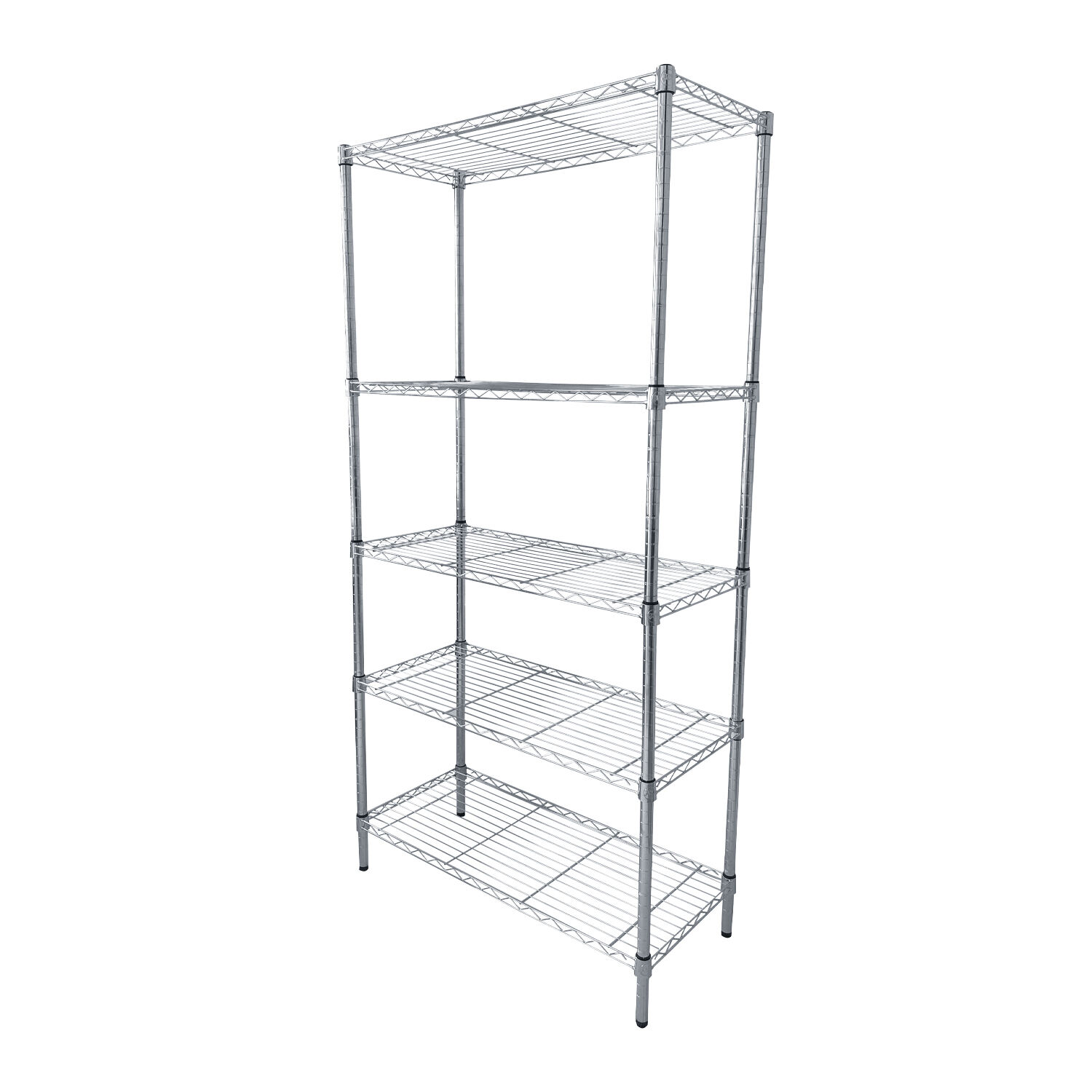
In today's competitive retail landscape, importers face mounting pressure to differentiate their products while maintaining cost-effectiveness and quality standards. The selection of OEM storage holders has emerged as a strategic approach for importers seeking to establish strong brand identity while meeting diverse consumer demands. These customizable storage solutions offer importers the flexibility to create unique product lines that resonate with their target markets, providing both functional value and brand recognition opportunities.
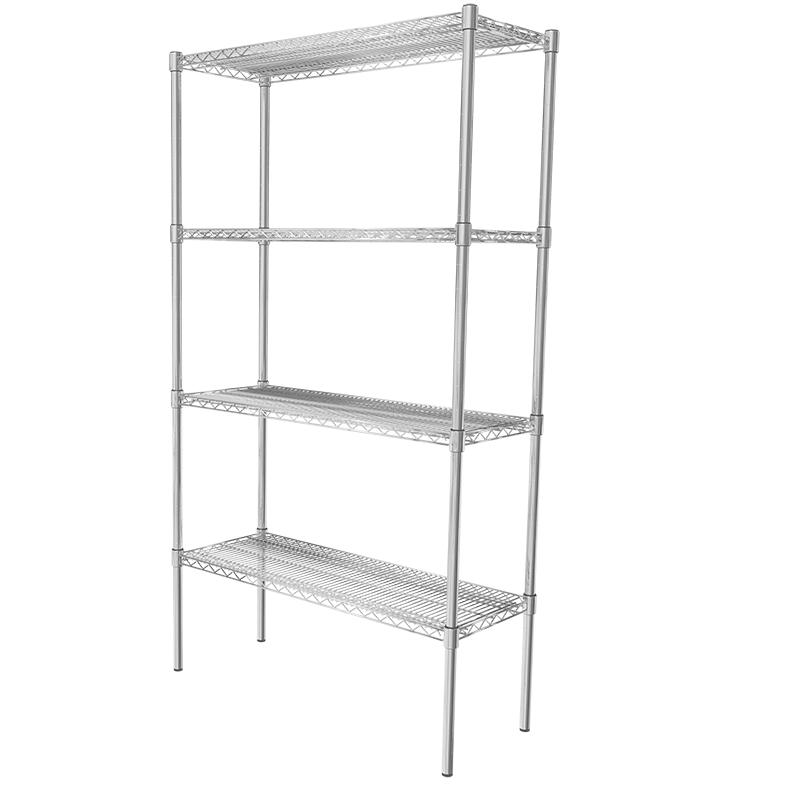
The decision to partner with OEM manufacturers for storage solutions represents more than just a procurement strategy. It reflects a comprehensive understanding of market dynamics, consumer preferences, and the importance of brand positioning in saturated markets. Importers who successfully leverage OEM storage holders often achieve higher profit margins, stronger customer loyalty, and enhanced market positioning compared to those relying solely on standard, unbranded alternatives.
Modern consumers increasingly seek storage solutions that align with their specific lifestyle needs and aesthetic preferences. This shift in consumer behavior has created substantial opportunities for importers specializing in OEM storage holders. The ability to customize dimensions, materials, colors, and functionality allows importers to address niche market segments that mass-produced alternatives cannot effectively serve.
The rise of social media platforms showcasing organized spaces has further amplified demand for visually appealing storage solutions. Consumers no longer view storage holders as purely functional items but as integral components of their living spaces. This perception shift has encouraged importers to invest in OEM storage holders that offer superior design flexibility and brand customization options.
Importers utilizing OEM storage holders gain significant competitive advantages through brand differentiation strategies. Unlike generic storage products, OEM solutions enable importers to incorporate unique design elements, proprietary features, and exclusive branding that sets their products apart from competitors. This differentiation becomes particularly valuable in retail environments where consumers face numerous similar options.
The ability to control product specifications, packaging design, and marketing messaging creates a cohesive brand experience that resonates with target customers. Importers can develop signature product lines using OEM storage holders, establishing brand recognition and customer loyalty that translates into sustained business growth and market share expansion.
Partnering with OEM manufacturers for storage holders typically results in more favorable cost structures compared to purchasing finished branded products. Importers can negotiate direct manufacturing costs, eliminate middleman markups, and achieve economies of scale through volume commitments. These cost advantages enable importers to offer competitive retail prices while maintaining healthy profit margins.
The long-term nature of OEM relationships often leads to additional cost benefits through improved manufacturing efficiency, shared research and development costs, and streamlined logistics processes. Importers working with established OEM storage holders manufacturers frequently report 15-25% cost savings compared to traditional purchasing models, significantly impacting overall business profitability.
OEM partnerships provide importers with enhanced control over product quality and manufacturing standards. Unlike purchasing finished goods where quality parameters are predetermined, OEM storage holders allow importers to specify materials, construction methods, and quality checkpoints throughout the manufacturing process. This level of control helps ensure consistent product quality across production batches.
Regular quality audits, material certifications, and collaborative testing procedures become standard practices in OEM relationships. Importers can implement specific quality requirements for their OEM storage holders, ensuring products meet or exceed customer expectations while reducing warranty claims and return rates that can damage brand reputation.
The customization capabilities inherent in OEM storage holders manufacturing enable importers to adapt products for specific geographic markets, cultural preferences, and regulatory requirements. This flexibility proves particularly valuable for importers serving diverse international markets with varying consumer preferences and space constraints.
Regional customization extends beyond basic dimensional adjustments to include material preferences, color schemes, and functional features that appeal to local consumers. Importers can develop region-specific versions of OEM storage holders, maximizing market penetration while maintaining cost-effective manufacturing processes through shared base designs and modular customization approaches.
OEM manufacturing relationships facilitate rapid response to emerging market trends and consumer preferences. When importers identify new opportunities or changing demands in storage solutions, they can collaborate with OEM partners to develop prototype products and bring innovations to market faster than competitors relying on standard product catalogs.
This agility becomes particularly important in fast-moving consumer goods sectors where trend cycles continue to accelerate. Importers utilizing OEM storage holders can capitalize on seasonal trends, viral social media influences, and emerging lifestyle movements by quickly adapting their product offerings to match current market demands.
Effective brand building through OEM storage holders extends beyond product customization to encompass packaging design, marketing materials, and customer experience elements. Importers can develop comprehensive brand experiences that begin with product discovery and continue through purchase, use, and potential repurchase decisions.
Coordinated packaging design, instruction materials, and warranty programs create professional brand impressions that support premium pricing strategies and customer retention goals. OEM storage holders partnerships often include packaging customization services, enabling importers to create cohesive brand presentations that enhance perceived value and market positioning.
Branded OEM storage holders contribute to customer loyalty development through consistent quality experiences and unique value propositions. When customers associate positive storage solutions experiences with specific brand identities, they become more likely to seek additional products from the same importer for future organizational needs.
The development of product ecosystems using coordinated OEM storage holders designs encourages customers to purchase complementary items, increasing average order values and lifetime customer value. Importers can leverage these relationships to introduce new product categories and expand market share within existing customer bases.
Long-term OEM partnerships for storage holders create stable supply chain relationships that benefit both importers and manufacturers. These relationships typically involve multi-year agreements, volume commitments, and collaborative planning processes that reduce supply chain disruptions and provide predictable cost structures.
Stable supplier relationships become particularly valuable during periods of market volatility, raw material shortages, or global logistics challenges. Importers with established OEM storage holders partnerships often receive priority production scheduling and preferential pricing during constrained supply conditions, providing competitive advantages over spot market purchasers.
OEM manufacturing arrangements typically include collaborative demand forecasting and inventory management processes that help importers optimize working capital requirements. Manufacturers can adjust production schedules based on importer sales forecasts, reducing the need for excessive safety stock while maintaining service level commitments.
These collaborative approaches to inventory management often result in improved cash flow management and reduced carrying costs for OEM storage holders inventory. Importers can maintain customer service levels while minimizing financial exposure to slow-moving inventory or seasonal demand variations.
The evolution toward smart home technologies creates opportunities for importers to collaborate with OEM partners on innovative storage holders incorporating digital features, connectivity, and intelligent functionality. These advanced products command premium pricing while establishing technology leadership positions in competitive markets.
OEM storage holders with integrated sensors, mobile app connectivity, or automated organization features represent emerging market segments with significant growth potential. Importers who establish early partnerships for smart storage development can capture first-mover advantages and build patent portfolios that provide long-term competitive protection.
Consumer awareness of environmental impacts has created demand for sustainably manufactured storage solutions. OEM partnerships enable importers to specify eco-friendly materials, manufacturing processes, and packaging options that appeal to environmentally conscious consumers while potentially qualifying for green certification programs.
Sustainable OEM storage holders manufacturing practices often result in cost savings through material efficiency improvements, waste reduction, and energy optimization. Importers can leverage these environmental benefits in marketing communications while achieving operational cost advantages that improve overall profitability.
Minimum order quantities for OEM storage holders vary significantly based on product complexity, customization requirements, and manufacturer capabilities. Most OEM partners require initial orders between 500-5000 units, with some specialized manufacturers accepting smaller quantities for testing purposes. Importers should negotiate MOQ terms during partnership discussions to ensure alignment with market entry strategies and cash flow requirements.
The development timeline for custom OEM storage holders typically ranges from 30-90 days, depending on design complexity and required tooling modifications. Simple customizations such as color changes or basic branding may require only 2-4 weeks, while completely new designs with unique functionality can take 3-6 months including prototype development, testing, and production setup phases.
Importers should require relevant safety and quality certifications based on target markets and product applications. Common certifications include ISO 9001 for quality management systems, material safety certifications for food-contact storage holders, and regional safety standards such as CE marking for European markets or UL listings for North American distribution. Environmental certifications like FSC for wood products or recycled content verification may also be valuable for sustainable product positioning.
Intellectual property protection in OEM storage holders relationships requires comprehensive legal agreements including non-disclosure agreements, exclusive manufacturing contracts, and clear ownership definitions for custom designs and improvements. Importers should register trademarks, design patents, and utility patents where applicable, while ensuring manufacturing agreements include IP protection clauses and geographic exclusivity provisions that prevent unauthorized production or distribution.
 Hot News
Copyright © 2026 Top Trust Biotechnology Co., Ltd All Rights Reserved Privacy policy
 EN
EN
 AR
AR
 FR
FR
 PT
PT
 ES
ES
 VI
VI
 BG
BG
 HR
HR
 CS
CS
 DA
DA
 NL
NL
 FI
FI
 DE
DE
 EL
EL
 HI
HI
 IT
IT
 JA
JA
 KO
KO
 NO
NO
 PL
PL
 RO
RO
 RU
RU
 SV
SV
 TL
TL
 IW
IW
 SK
SK
 SL
SL
 ET
ET
 HU
HU
 TH
TH
 TR
TR
 MS
MS
 IS
IS
 KA
KA
 BN
BN
 LA
LA
 MN
MN
 NE
NE
 UZ
UZ