When selecting pet cages for your companion animals, understanding the materials that contribute to strength and longevity is essential for making an informed purchase decision. The construction materials directly influence durability, safety, resistance to environmental factors, and the overall lifespan of the enclosure. Quality pet cages built from superior materials provide secure containment while withstanding daily wear from active pets, exposure to moisture, temperature fluctuations, and cleaning routines. For pet owners, breeders, veterinary facilities, and pet retail businesses, choosing pet cages manufactured from the right materials ensures both animal welfare and long-term cost efficiency by reducing replacement frequency and maintenance requirements.
The material composition of pet cages determines their structural integrity under stress, corrosion resistance in humid environments, and ability to maintain shape and function through years of continuous use. Different materials offer distinct advantages depending on the intended application, pet size, behavioral characteristics, and environmental conditions where the cage will be positioned. This comprehensive examination explores the specific materials that engineering and manufacturing standards identify as superior for creating robust, enduring pet enclosures that meet both practical functionality and animal safety requirements across residential, commercial, and professional animal care settings.
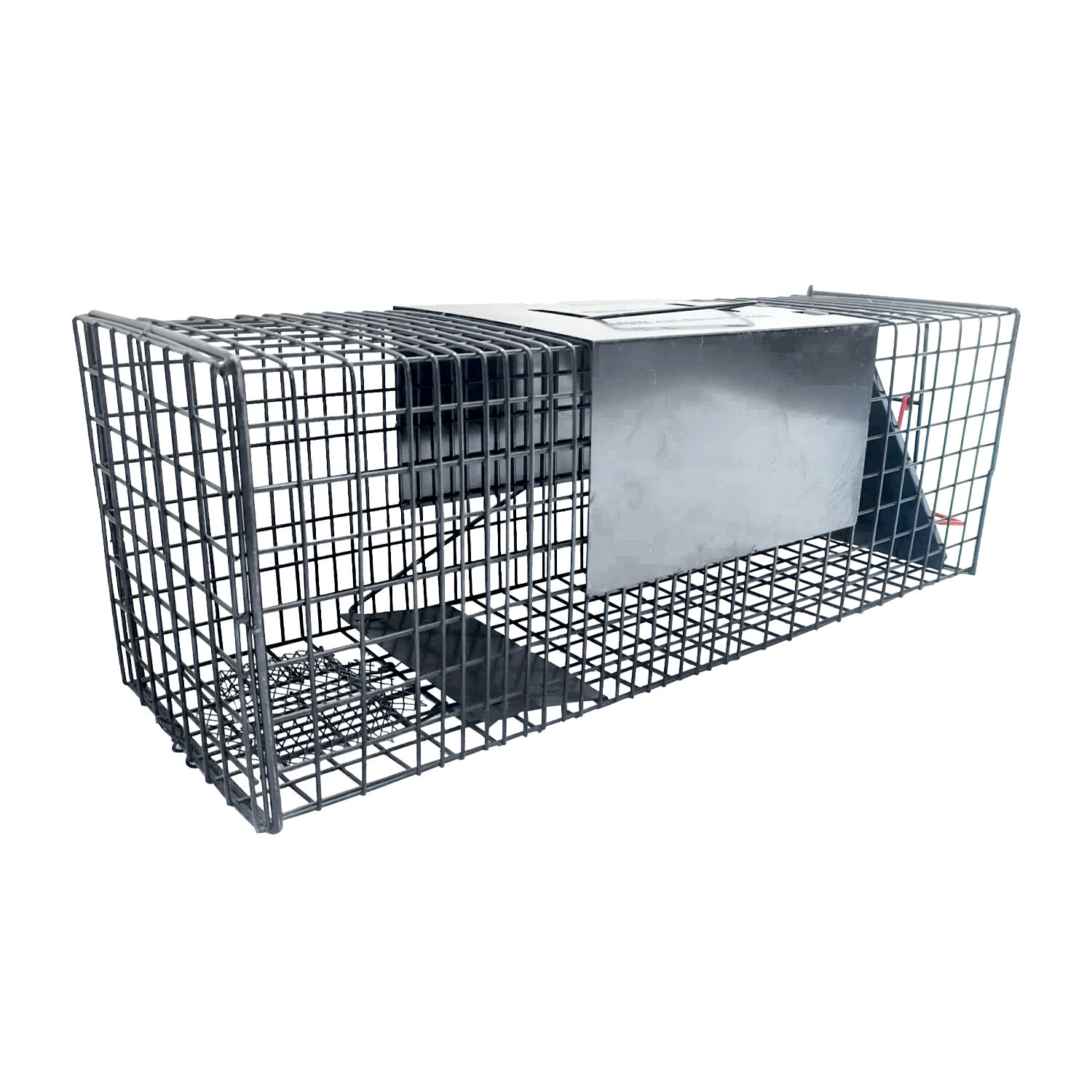
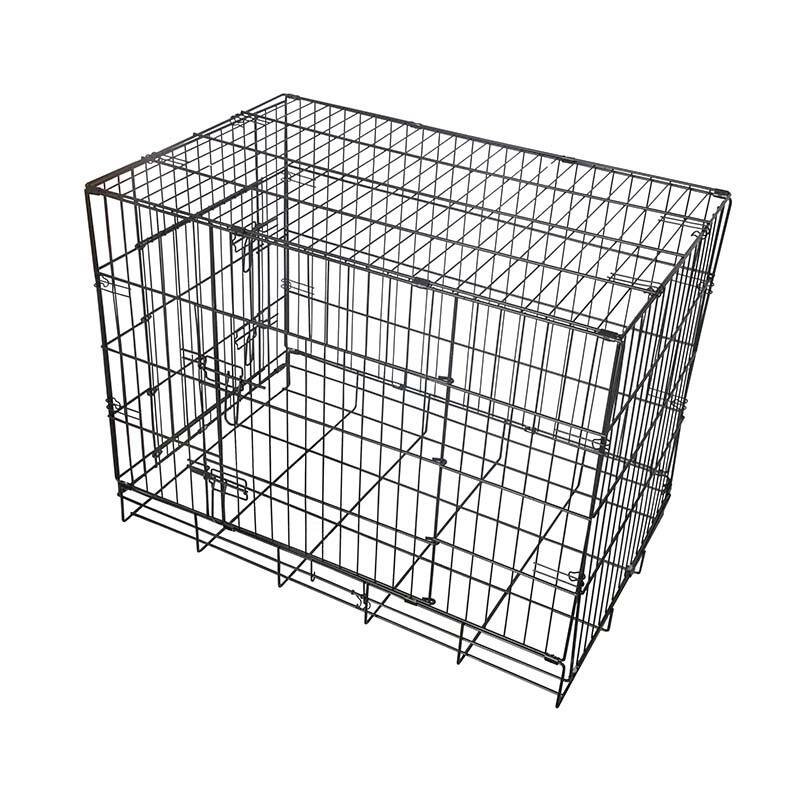
Galvanized steel represents one of the most widely used materials in manufacturing durable pet cages due to its exceptional strength-to-weight ratio and corrosion protection properties. The galvanization process involves coating steel with a protective zinc layer through hot-dip immersion, creating a metallurgically bonded barrier that prevents rust formation even when exposed to moisture, urine, and cleaning chemicals. This protective coating extends the functional lifespan of pet cages significantly compared to untreated steel alternatives. The steel core provides the structural rigidity necessary to contain larger dogs and resist deformation from impact or persistent pressure from animals attempting to escape.
The thickness of galvanized steel wire used in pet cages typically ranges from 2.5mm to 5mm depending on the intended pet size and strength requirements. Thicker gauge wire creates more robust pet cages capable of housing powerful breeds without risk of bending or breaking under sustained force. The zinc coating thickness also varies based on quality standards, with premium pet cages featuring heavier zinc deposits that provide enhanced protection in challenging environments. Manufacturing processes that ensure uniform coating distribution across all wire surfaces and connection points contribute substantially to the overall durability and corrosion resistance of the finished enclosure.
Stainless steel represents the highest quality metal option for constructing pet cages intended for professional veterinary facilities, breeding operations, and demanding commercial environments. The chromium content in stainless steel alloys creates a passive oxide layer that self-heals when scratched, providing superior corrosion resistance without requiring additional protective coatings. This inherent resistance makes stainless steel pet cages ideal for settings with frequent exposure to water, disinfectants, bodily fluids, and sterilization procedures that would degrade lesser materials over time. The non-porous surface also prevents bacterial colonization, contributing to better hygiene standards.
The most common stainless steel grades used in pet cage construction include 304 and 316 alloys, with 316 offering enhanced resistance to chlorides and acidic environments. While stainless steel pet cages command premium pricing compared to galvanized alternatives, their exceptional longevity and minimal maintenance requirements justify the initial investment for professional users. The material maintains its structural integrity and aesthetic appearance through decades of intensive use, making it particularly cost-effective when calculated over the product lifecycle. The superior strength characteristics also allow manufacturers to design pet cages with thinner wire diameters while maintaining equivalent or superior containment security.
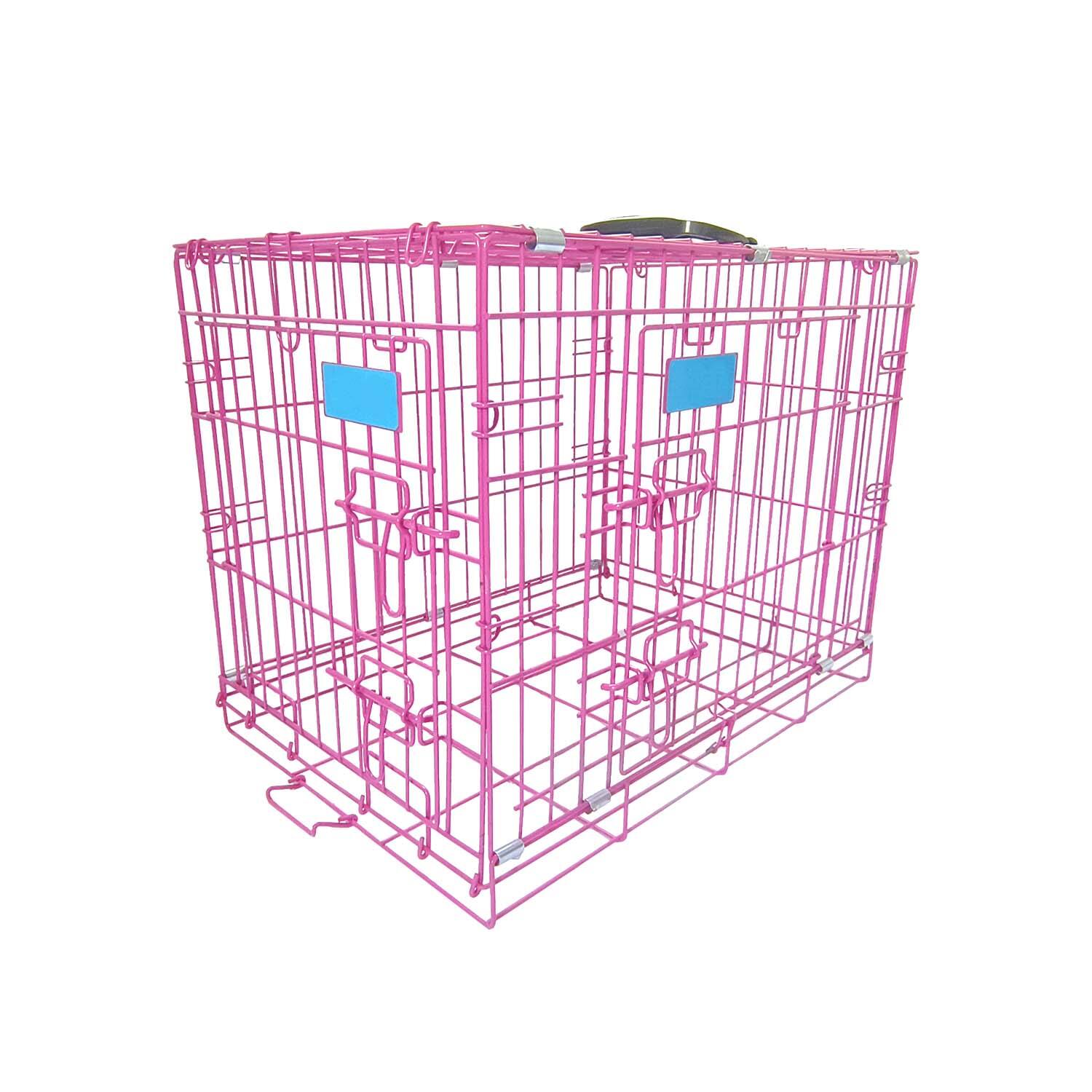
Powder coating technology adds another layer of protection and aesthetic appeal to metal pet cages by applying electrostatically charged polymer particles that fuse into a uniform, durable finish when heat-cured. This finishing process creates a coating significantly thicker and more resistant to chipping, scratching, and chemical degradation than traditional liquid paints. Powder-coated pet cages offer enhanced corrosion protection while providing color options that integrate better with home décor or facility branding requirements. The smooth, continuous surface also simplifies cleaning procedures and reduces locations where bacteria or parasites might harbor.
The quality of powder coating application directly impacts the longevity of pet cages, with proper surface preparation and appropriate curing temperatures being critical factors. Premium manufacturers utilize multi-stage cleaning processes to remove contaminants before coating application, ensuring optimal adhesion and uniform coverage. The polymer composition of the powder coating itself varies, with polyester-based formulations offering excellent outdoor durability while epoxy-based versions provide superior chemical resistance for indoor applications. High-quality powder-coated pet cages maintain their finish integrity for many years without fading, peeling, or discoloration, preserving both protective and aesthetic functions throughout the product lifespan.
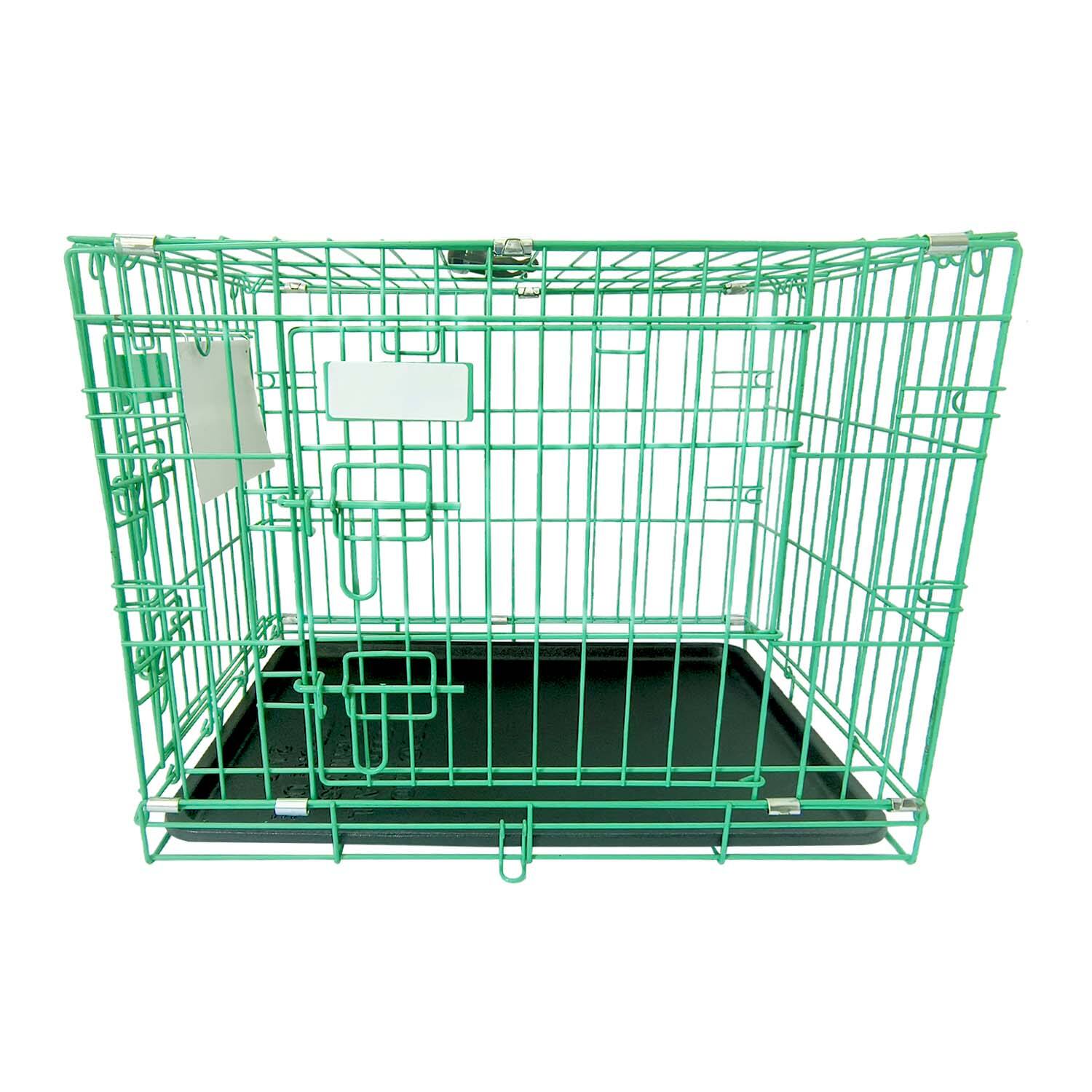
High-density polyethylene (HDPE) has emerged as an important material for specific components within modern pet cage designs, particularly for floor panels, corner protectors, and door latching mechanisms. This thermoplastic polymer offers excellent impact resistance, chemical inertness, and moisture impermeability while remaining lightweight and easy to manufacture into complex shapes. HDPE components in pet cages resist cracking even at low temperatures and maintain dimensional stability across wide temperature ranges, making them suitable for both indoor and outdoor installations. The material does not absorb liquids, preventing odor retention and bacterial growth within the cage structure.
The molecular structure of high-density polyethylene provides superior wear resistance compared to lower-density plastic alternatives, ensuring components maintain functionality through repeated use cycles. In pet cages, HDPE floor pans create comfortable, easy-to-clean surfaces that protect underlying flooring from moisture and waste while providing traction for pet movement. The material's flexibility allows it to absorb minor impacts without fracturing, which proves valuable when pets jump or move suddenly within the enclosure. Quality HDPE formulations include UV stabilizers that prevent degradation from sunlight exposure, extending the service life of outdoor pet cages significantly.
Reinforced polypropylene serves as an excellent material for connection joints, corner assemblies, and structural connectors in modular pet cage systems. This material combines the chemical resistance and flexibility of polypropylene with fiber reinforcement that substantially increases tensile strength and rigidity. The resulting composite material maintains the corrosion immunity and lightweight characteristics of pure plastic while approaching the structural performance of metal components. Reinforced polypropylene connectors in pet cages eliminate the potential for galvanic corrosion that can occur at metal junction points, particularly in humid environments or when different metal alloys contact each other.
The engineering properties of reinforced polypropylene allow manufacturers to design intricate connection geometries that distribute stress evenly across joints, reducing failure points in assembled pet cages. The material exhibits excellent fatigue resistance, maintaining connection integrity through thousands of assembly and disassembly cycles without loosening or cracking. This characteristic proves particularly valuable for modular pet cages that require periodic reconfiguration or transportation. The material also dampens vibration and impact transmission better than rigid metal connections, creating quieter enclosures when pets move or interact with cage walls.
Advanced composite panels incorporating multiple material layers represent an innovative approach to constructing specialized pet cages for specific applications requiring enhanced insulation, sound dampening, or aesthetic integration. These engineered panels typically feature a structural core material sandwiched between durable facing materials, combining the best properties of different substances into a single component. Common configurations include foam or honeycomb cores with metal, plastic, or laminate facing materials that provide both strength and environmental protection. Composite panel pet cages offer superior thermal insulation for outdoor installations and significantly reduce noise transmission compared to traditional wire construction.
The manufacturing flexibility of composite systems allows customization of material properties to match specific performance requirements. For example, pet cages designed for veterinary recovery applications might incorporate panels with antimicrobial surface treatments and enhanced cleaning compatibility, while units intended for breeding operations might prioritize sound dampening and visual privacy features. The multi-layer construction distributes mechanical stress across the panel structure, preventing localized failure and extending overall product lifespan. However, composite panel pet cages typically command higher prices than traditional wire designs and may present repair challenges if damage penetrates multiple material layers.
Beyond primary material selection, specialized coating systems significantly enhance the longevity of metal pet cages through multiple protective mechanisms. Modern anti-corrosion treatments employ layered approaches that combine chemical conversion coatings, barrier layers, and sacrificial protection to create comprehensive defense against environmental degradation. Zinc phosphate conversion coatings, for instance, create a crystalline surface layer that improves paint adhesion while providing inherent corrosion resistance. When combined with subsequent polymer coatings, these systems dramatically extend the functional life of pet cages exposed to challenging conditions.
The effectiveness of anti-corrosion systems depends heavily on proper surface preparation and application procedures. Premium pet cage manufacturers implement rigorous quality control protocols ensuring complete coverage of all exposed metal surfaces, including welds, cut edges, and interior surfaces that might contact moisture. Multi-coat systems with different functional layers provide redundant protection, where failure of the outer decorative layer does not immediately compromise the underlying corrosion barrier. Regular inspection and maintenance of coating integrity helps identify potential problem areas before significant corrosion develops, allowing targeted repairs that preserve the overall cage structure.
Antimicrobial surface treatments represent an advancing technology particularly relevant for pet cages used in veterinary hospitals, animal shelters, breeding facilities, and other environments where disease transmission risks require enhanced hygiene measures. These treatments incorporate metallic ions such as silver or copper into coating materials, where they slowly release biocidal agents that inhibit bacterial and fungal colonization on cage surfaces. The sustained antimicrobial activity reduces pathogen loads between cleaning cycles and provides an additional safety margin against disease transmission. This technology proves especially valuable for pet cages housing immunocompromised animals or in quarantine applications.
The durability of antimicrobial treatments varies based on the incorporation method and specific technology employed. Surface-applied antimicrobial coatings may wear away over time with aggressive cleaning or physical abrasion, requiring periodic reapplication to maintain effectiveness. More advanced systems incorporate antimicrobial agents directly into the polymer matrix of powder coatings or plastic components, ensuring the treatment remains active throughout the material lifespan. Pet cages featuring these advanced surface modifications command premium pricing but offer measurable benefits in reducing cleaning labor, minimizing disease outbreaks, and extending intervals between deep sanitization procedures in professional settings.
Pet cages intended for outdoor installation require specialized finishing systems that withstand prolonged exposure to ultraviolet radiation, temperature cycling, precipitation, and atmospheric pollutants without degradation. UV-stabilized coatings incorporate light-absorbing compounds that prevent polymer chain breakdown from solar radiation, maintaining both protective function and aesthetic appearance over many years of outdoor service. These formulations also resist chalking and color fading that plague standard coatings in exterior applications. The weather-resistant properties extend to maintaining adhesion and flexibility despite temperature extremes that cause material expansion and contraction.
Comprehensive weather protection for outdoor pet cages requires attention to water management details beyond just coating selection. Proper drainage design prevents water accumulation in structural channels where it might cause corrosion or freeze-thaw damage. Sealed connections and weather stripping around doors and access panels prevent moisture infiltration into enclosed spaces where it cannot easily evaporate. Premium outdoor pet cages incorporate design features such as protective overhangs, elevated foundations, and ventilation systems that work synergistically with weather-resistant materials to create enclosures that maintain structural integrity and animal comfort through seasonal weather variations and extreme climate events.
The gauge or thickness of wire used in constructing metal pet cages profoundly influences their strength, durability, and resistance to deformation under load. Wire gauge selection involves balancing structural requirements against weight, cost, and visual openness considerations. Heavier gauge wire provides greater resistance to bending and breaking but increases material costs and overall cage weight, potentially complicating handling and installation. Strategic wire gauge distribution within a single cage design optimizes material usage by employing heavier wire in high-stress areas such as door frames and floor supports while using lighter gauge for sidewalls and roof sections where loads remain modest.
The spacing between wire elements also affects the structural performance and functionality of pet cages. Closer wire spacing creates a more rigid structure through increased connection points and shorter unsupported wire spans, reducing deflection under load. However, tighter spacing also restricts airflow and visibility while increasing material consumption and manufacturing complexity. Quality pet cage designs optimize wire spacing based on the smallest pet size intended for containment, preventing escape while maximizing structural efficiency and environmental conditions within the enclosure. The intersection points where wires connect represent critical structural elements requiring secure welding, crimping, or wire-tying techniques that maintain connection integrity throughout the cage lifespan.
Strategic reinforcement placement transforms ordinary materials into exceptionally durable pet cage structures by directing loads through optimal load paths and preventing stress concentrations that cause premature failure. Common reinforcement approaches include perimeter frame tubes that contain panel edges, diagonal bracing members that resist racking forces, and localized reinforcement plates at high-stress points such as door hinges and latch mounting locations. These reinforcements need not employ heavier gauge material throughout the entire structure; instead, they concentrate additional material precisely where mechanical analysis predicts maximum stress development.
Advanced pet cage designs incorporate structural principles such as triangulation and moment-resistant connections that inherently distribute loads more evenly across the frame. Triangulated structures prevent parallelogram deformation that can occur in rectangular frames under lateral loads, maintaining cage geometry even when subjected to impact or sustained pressure. Moment-resistant connections between frame members transfer both direct forces and rotational moments, creating a unified structural system rather than a collection of individual components. These engineering approaches allow manufacturers to create lighter, more economical pet cages without sacrificing strength or durability, delivering superior value to end users.
Modular construction methodologies enhance the practical longevity of pet cages by enabling configuration changes, damage repair, and capacity expansion without complete unit replacement. Modular systems employ standardized connection interfaces and panel dimensions that allow users to reconfigure enclosure size and shape as needs evolve. This adaptability proves particularly valuable for growing pets, changing household circumstances, or professional facilities with varying animal populations. The ability to replace individual damaged components extends overall cage service life since localized damage does not necessitate discarding an otherwise functional unit.
The materials selected for modular pet cages must accommodate repeated assembly and disassembly without degradation of connection integrity or structural performance. Threaded fasteners require materials with sufficient hardness to prevent thread stripping, while snap-together connections need materials with appropriate flexibility and memory to maintain holding force through multiple use cycles. The standardization inherent in modular systems also facilitates inventory management for commercial users who can maintain spare panels and components for rapid repair or expansion. This systematic approach to pet cage construction reflects a lifecycle perspective on material selection where initial durability combines with maintainability to maximize total product value.
Pet cages designed to safely contain large, powerful dog breeds require material specifications substantially exceeding those suitable for smaller animals. The primary structural elements typically employ 11-gauge or heavier galvanized steel wire with reinforced tube framing at all edges and corners. Door systems incorporate commercial-grade latching mechanisms with multiple engagement points to resist manipulation by intelligent animals. Floor construction must support concentrated loads from large animals without deflection that might create escape gaps or cause discomfort. Some heavy-duty designs incorporate solid metal rod flooring rather than wire mesh to provide both strength and easier cleaning for large-volume waste management.
The connection methods used in heavy-duty pet cages favor welded construction over mechanical fasteners for critical joints, eliminating potential failure points under sustained stress. Welds must penetrate completely through wire intersections and receive proper finishing to prevent sharp edges while maintaining full structural continuity. The powder coating or galvanization applied to heavy-duty cages requires enhanced thickness specifications since these units experience more aggressive cleaning, higher mechanical wear, and greater environmental exposure during their service lives. Investment in superior materials and construction for large-breed containment pays dividends through reduced escape incidents, lower replacement frequency, and enhanced animal safety.
Pet cages designed for small animals such as rabbits, guinea pigs, or cats can employ lighter materials without compromising containment security or structural adequacy. These units often feature thinner gauge wire in the 14 to 16 range with closer spacing to prevent escape of smaller animals. The reduced material requirements translate to significantly lower weight, facilitating regular movement for cleaning, rearrangement, or temporary relocation. Lightweight pet cages frequently incorporate plastic floor pans and corner components that further reduce weight while simplifying cleaning procedures through removable, dishwasher-safe components.
Despite their lighter construction, quality small-animal pet cages maintain durability through thoughtful design that accounts for the specific behaviors and environmental needs of target species. Materials must resist gnawing from rodents, which may require plastic components formulated with bitter additives or reinforcement with metal edging at vulnerable locations. The reduced structural loads allow greater design freedom in creating multi-level configurations, integrated accessories, and aesthetic features that enhance both animal welfare and visual appeal. Portable pet cages benefit from collapsible or nested designs that minimize storage space when not in use, requiring materials and connection systems that tolerate repeated folding without fatigue failure or permanent deformation.
Pet cages used in veterinary clinics, animal hospitals, and quarantine facilities face the most demanding material requirements due to intensive cleaning protocols, exposure to biological hazards, and the need for long-term reliability under continuous use. Stainless steel construction represents the industry standard for these applications, providing the chemical resistance necessary to withstand daily disinfection with powerful antimicrobial agents while maintaining sanitary surfaces that resist bacterial colonization. The non-porous nature of stainless steel prevents absorption of organic materials that might harbor pathogens between patients, supporting infection control protocols essential for medical settings.
Specialized veterinary pet cages often incorporate additional material considerations such as radio-translucent panels that allow radiographic imaging without animal removal, or integrated drainage systems with medical-grade tubing materials. Door mechanisms employ automotive-grade latches with positive locking to prevent accidental openings during patient transport or recovery periods. Some designs include viewing windows constructed from impact-resistant polycarbonate that provides observation access while maintaining containment security and acoustic barriers. The premium materials used in professional-grade pet cages justify their higher cost through decades of reliable service in demanding environments where equipment failure might compromise animal welfare or staff safety.
Stainless steel ranks as the most durable material for pet cage construction due to its exceptional corrosion resistance, structural strength, and longevity in demanding environments. The chromium content creates a self-healing oxide layer that maintains protection even after scratches or abrasion. While galvanized steel with proper powder coating offers excellent durability at lower cost for residential applications, stainless steel remains unsurpassed for professional veterinary settings, commercial breeding operations, and situations requiring intensive cleaning protocols or extended service life exceeding twenty years.
Wire gauge directly correlates with material thickness, with lower gauge numbers indicating thicker, stronger wire that resists bending, breaking, and deformation under load. Heavy-duty pet cages for large dogs typically use 9 to 11 gauge wire providing substantial strength, while cages for smaller pets may employ 14 to 16 gauge wire that adequately contains less powerful animals while reducing weight and cost. The gauge selection must match the animal's size, strength, and behavioral characteristics, with strategic use of heavier gauge wire in high-stress areas like doors and floors optimizing both performance and economy.
High-quality plastic components such as reinforced polypropylene and high-density polyethylene offer excellent durability for specific applications within pet cages, particularly for floor pans, corner protectors, and non-structural elements. These materials resist corrosion, provide chemical immunity, and maintain flexibility that prevents cracking from impacts. However, plastic components generally cannot match the structural strength and gnaw resistance of metal for primary containment surfaces. The optimal approach combines materials strategically, using metal for structural integrity and containment security while incorporating plastic components where their unique properties provide functional advantages.
Regular maintenance significantly extends pet cage lifespan regardless of construction materials. Weekly cleaning removes organic matter and prevents corrosion initiation, using appropriate cleaning agents that do not damage protective coatings. Periodic inspection identifies coating damage, connection loosening, or corrosion development allowing prompt repair before structural compromise occurs. Applying touch-up coatings to scratched areas prevents moisture infiltration, while lubricating moving parts such as door hinges and latches maintains smooth operation and reduces wear. Proper storage during extended non-use periods, particularly for outdoor pet cages, protects materials from unnecessary environmental exposure and dramatically increases overall service life.
 Hot News
Copyright © 2026 Top Trust Biotechnology Co., Ltd All Rights Reserved Privacy policy
 EN
EN
 AR
AR
 FR
FR
 PT
PT
 ES
ES
 VI
VI
 BG
BG
 HR
HR
 CS
CS
 DA
DA
 NL
NL
 FI
FI
 DE
DE
 EL
EL
 HI
HI
 IT
IT
 JA
JA
 KO
KO
 NO
NO
 PL
PL
 RO
RO
 RU
RU
 SV
SV
 TL
TL
 IW
IW
 SK
SK
 SL
SL
 ET
ET
 HU
HU
 TH
TH
 TR
TR
 MS
MS
 IS
IS
 KA
KA
 BN
BN
 LA
LA
 MN
MN
 NE
NE
 UZ
UZ