Modern storage solutions require careful consideration of materials that can withstand daily use while maintaining structural integrity over extended periods. Professional-grade storage systems have evolved significantly, with various materials offering distinct advantages for different applications. Understanding the properties of each material type enables informed decision-making when selecting storage solutions for commercial, industrial, or residential environments. The longevity of storage holders directly impacts operational efficiency and long-term cost effectiveness.
Steel represents the gold standard for heavy-duty storage applications due to its exceptional strength-to-weight ratio. This material can support substantial loads without compromising structural stability, making it ideal for industrial environments where weight capacity is paramount. Steel storage systems typically accommodate weight loads ranging from 200 to 1000 pounds per shelf, depending on the specific gauge and construction method employed.
The molecular structure of steel provides inherent resistance to deformation under stress, ensuring that storage holders maintain their shape and functionality over time. This characteristic becomes particularly important in environments where storage units experience frequent loading and unloading cycles. Professional facilities often rely on steel construction to maintain consistent storage capacity without gradual deterioration.
Modern steel storage solutions incorporate advanced coating technologies that significantly extend service life in challenging environments. Powder coating, galvanization, and epoxy finishes create protective barriers against moisture, chemicals, and atmospheric corrosion. These treatments allow steel storage systems to maintain their appearance and structural integrity in humid conditions, outdoor applications, and chemical processing facilities.
The selection of appropriate surface treatments depends on the intended application environment and exposure conditions. Galvanized coatings excel in outdoor applications, while powder-coated finishes provide excellent resistance to scratches and chemical exposure in indoor environments. This versatility makes steel an adaptable choice for diverse storage requirements across multiple industries.
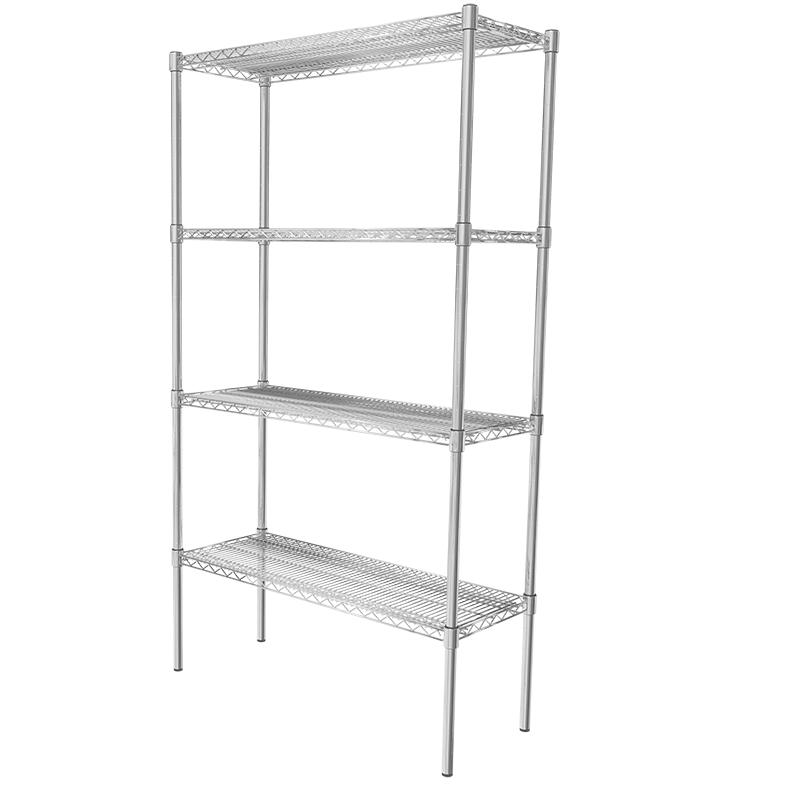
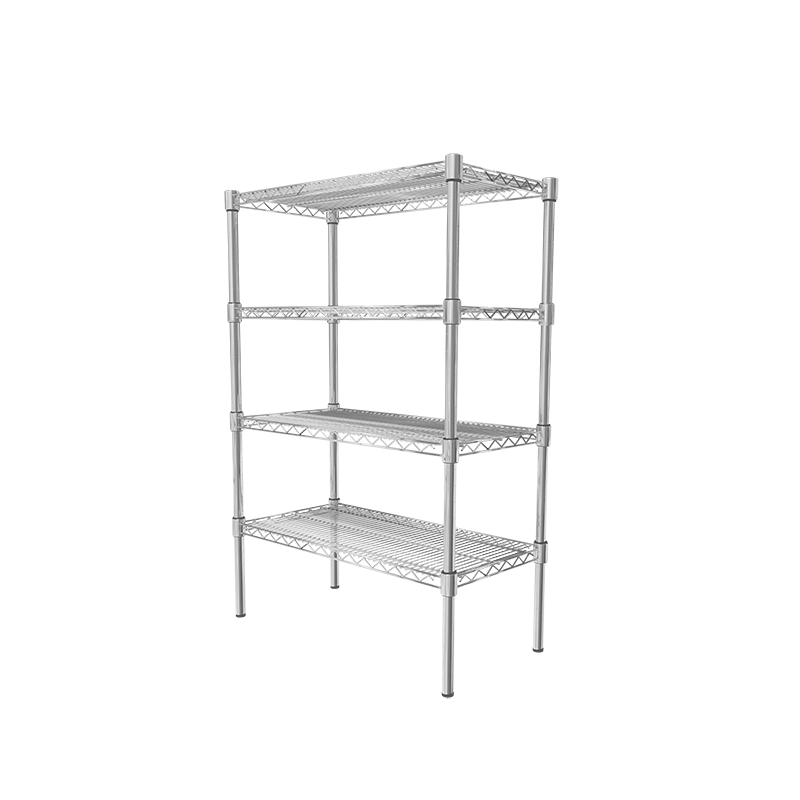
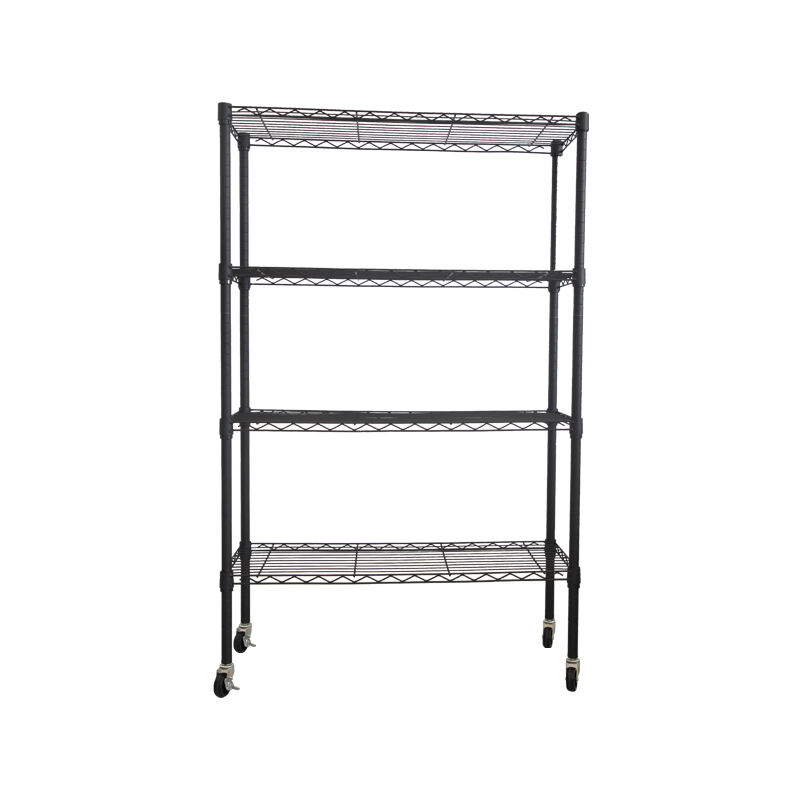
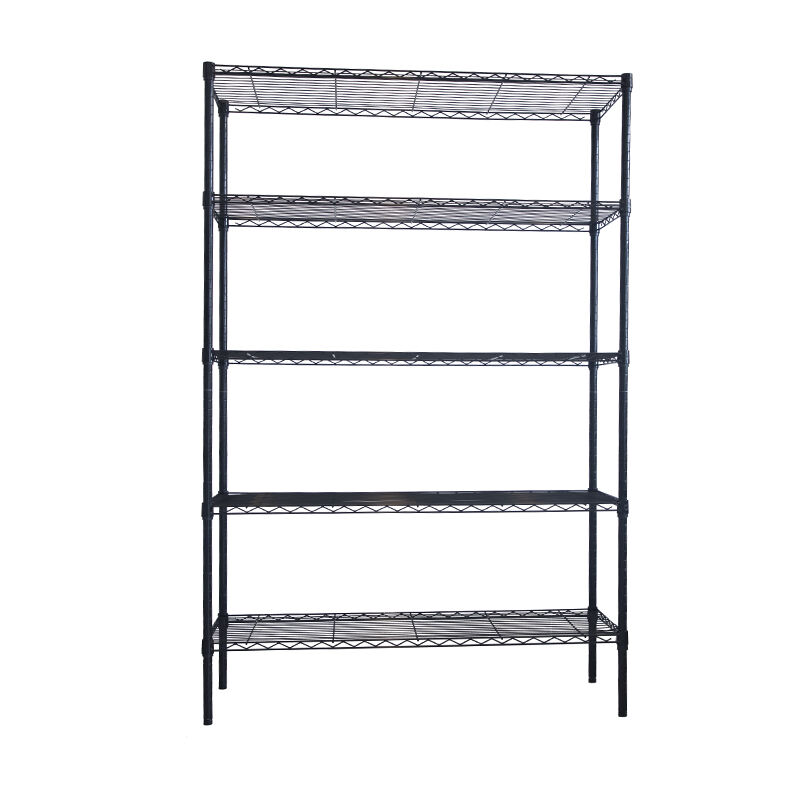
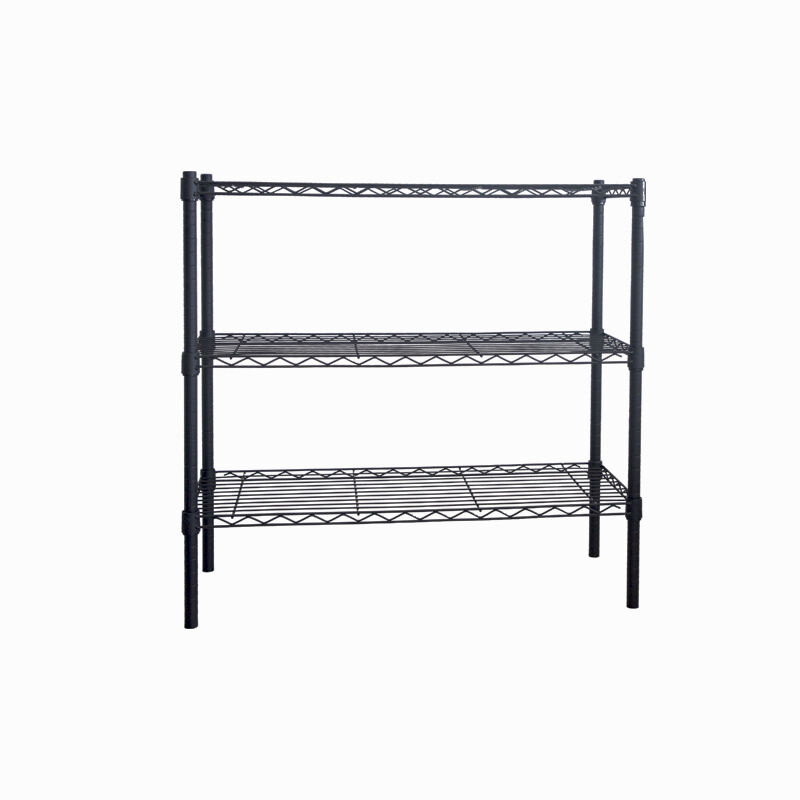
Wire construction offers unique advantages in storage applications where airflow and visibility are essential considerations. The open design of wire shelving promotes natural ventilation, preventing moisture accumulation and reducing the risk of mold or mildew formation. This characteristic makes wire storage systems particularly valuable in food service, pharmaceutical, and laboratory environments where cleanliness and air circulation are critical.
The transparent nature of wire construction allows for easy inventory management and visual inspection of stored items without requiring physical handling. This feature reduces labor costs associated with inventory tracking and improves operational efficiency in busy storage environments. The ability to see through multiple shelf levels facilitates quick identification and retrieval of specific items.
Wire storage systems excel in environments requiring frequent sanitization due to their accessible design and smooth surface finishes. The open construction eliminates hidden areas where contaminants might accumulate, allowing for thorough cleaning with standard industrial cleaning equipment. This characteristic meets stringent hygiene requirements in medical, food processing, and pharmaceutical applications.
Maintenance requirements for wire storage systems remain minimal compared to solid shelving alternatives. The absence of enclosed surfaces reduces dust accumulation and simplifies routine cleaning procedures. Most wire storage units can be effectively cleaned using pressure washing or steam sanitization methods without damaging the structural components or protective coatings.
Aluminum storage systems provide excellent corrosion resistance while offering significant weight reduction compared to steel alternatives. This material excels in applications where portability or frequent reconfiguration is required. Aluminum's natural resistance to oxidation eliminates the need for protective coatings in many applications, reducing long-term maintenance requirements.
The modular nature of aluminum construction allows for easy expansion and reconfiguration as storage needs evolve. This flexibility makes aluminum storage solutions particularly attractive for growing businesses or applications where storage requirements change frequently. However, the load capacity of aluminum systems typically falls below that of comparable steel construction.
High-density polymer storage systems offer chemical resistance and lightweight construction for specialized applications. These materials resist damage from cleaning chemicals, acids, and bases that might corrode metal alternatives. Polymer storage solutions work well in laboratory environments, chemical processing facilities, and outdoor applications where traditional metals might fail.
Composite materials combine the benefits of multiple material types to achieve specific performance characteristics. Fiber-reinforced composites can provide strength approaching steel while maintaining the corrosion resistance of polymers. However, these advanced materials typically carry higher initial costs and may require specialized installation procedures.
Steel storage systems offer excellent recyclability at the end of their service life, contributing to sustainable business practices. The high scrap value of steel provides economic incentives for proper recycling, reducing waste disposal costs while supporting circular economy principles. This characteristic aligns with corporate sustainability goals and environmental responsibility initiatives.
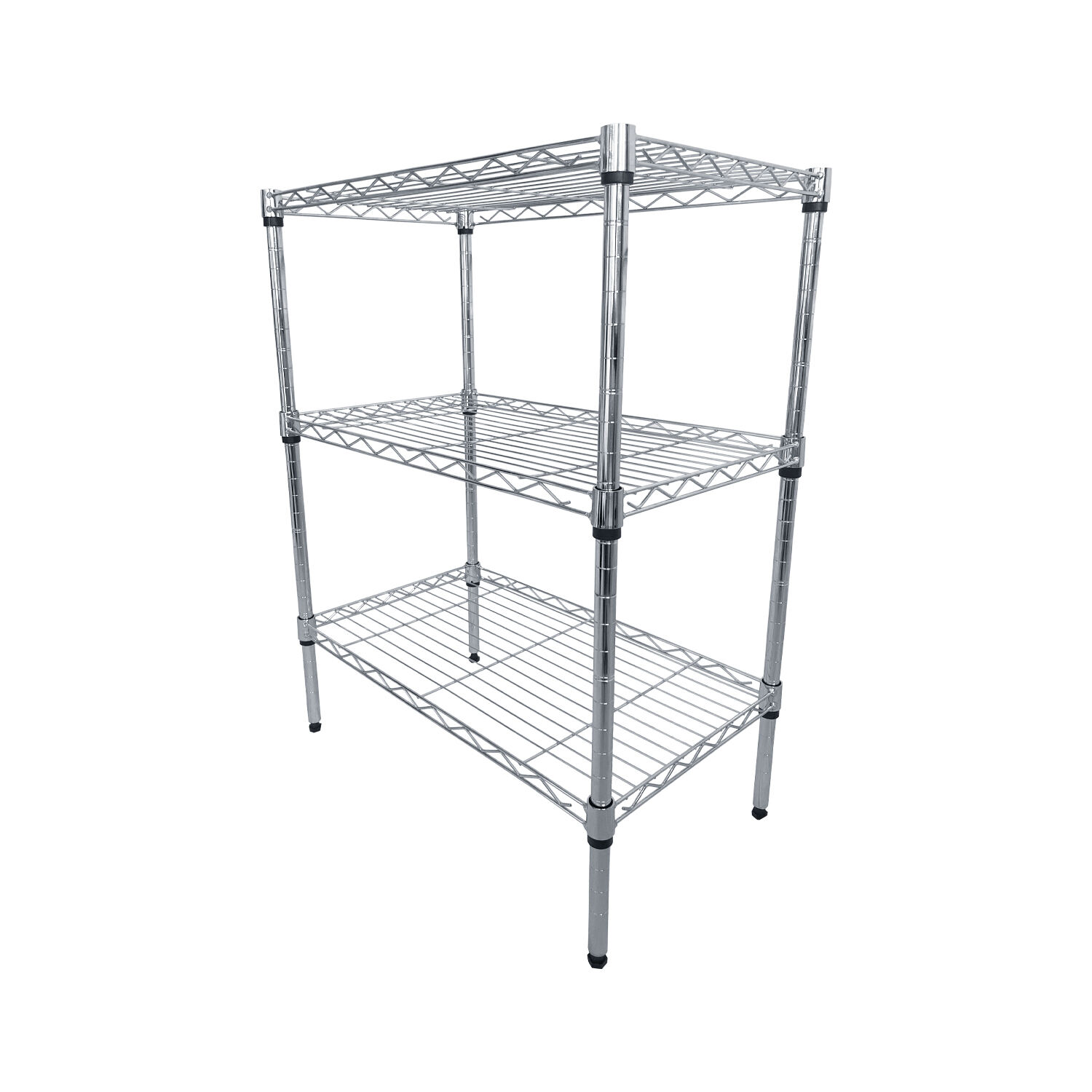
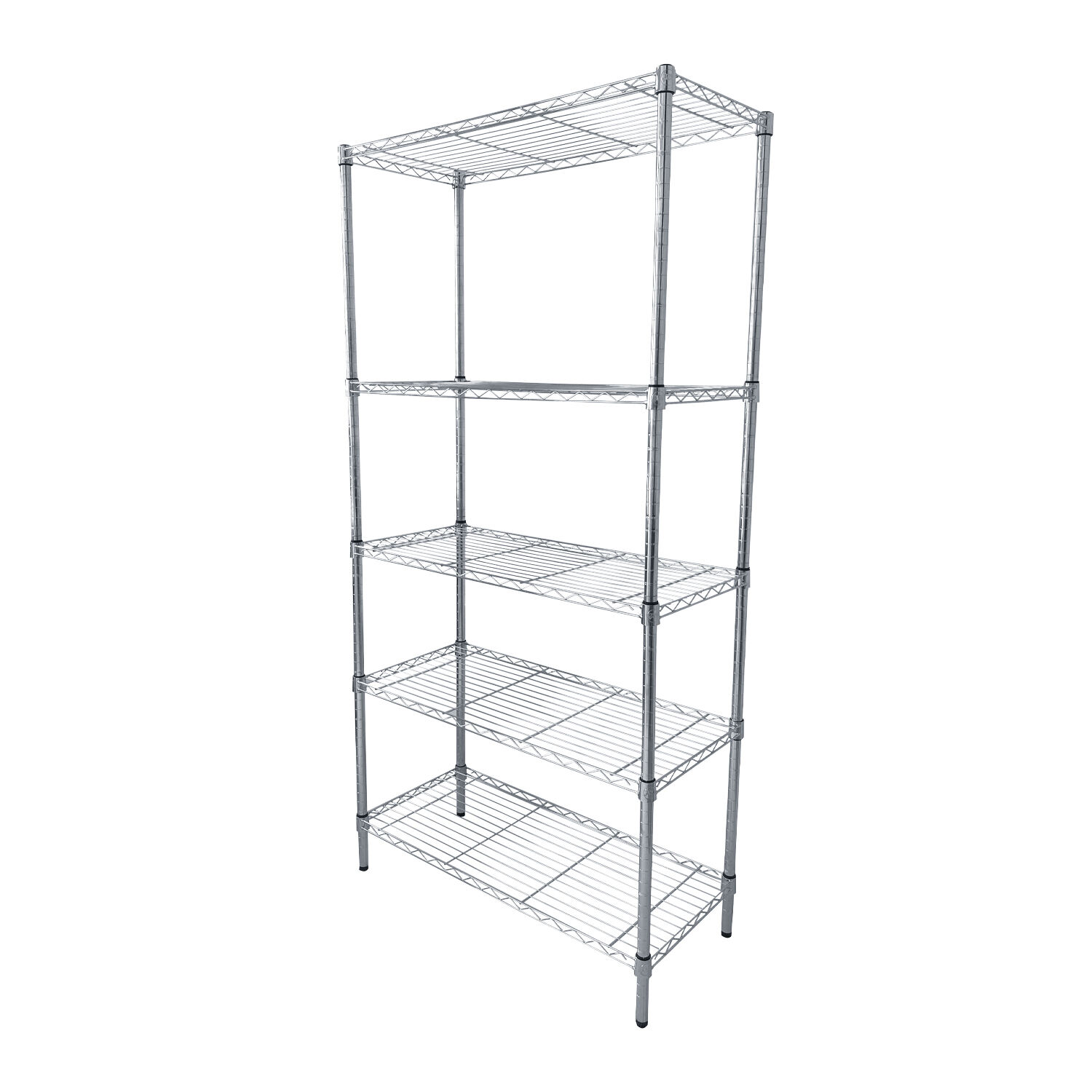
The durability of steel construction extends product life cycles, reducing replacement frequency and minimizing environmental impact over time. Quality steel wire shelving unit systems can provide decades of reliable service with proper maintenance, making them environmentally responsible choices for long-term storage solutions.
Modern steel production incorporates energy-efficient manufacturing processes and recycled content to reduce environmental impact. Advanced steel mills utilize electric arc furnaces powered by renewable energy sources, significantly reducing the carbon footprint of steel production. This improvement makes steel storage systems increasingly attractive from environmental sustainability perspectives.
The manufacturing efficiency of wire construction requires less material input compared to solid shelving alternatives while maintaining structural performance. This material efficiency translates to reduced environmental impact during production and transportation phases. The lightweight nature of wire construction also reduces shipping costs and associated fuel consumption.
The upfront cost of storage systems varies significantly based on material selection, construction quality, and feature complexity. Steel wire shelving unit options typically offer favorable initial pricing while providing superior durability compared to less expensive alternatives. This balance between cost and performance makes steel construction attractive for budget-conscious buyers seeking long-term value.
Quality storage systems represent capital investments that impact operational efficiency for years or decades. The slightly higher initial cost of premium materials often proves economical when evaluated over the complete product lifecycle. Businesses benefit from reduced replacement costs, minimal maintenance requirements, and consistent performance throughout the system's service life.
Long-term ownership costs include maintenance, repairs, replacements, and operational efficiency factors that extend beyond initial purchase prices. Steel wire shelving unit systems typically demonstrate lower total ownership costs due to their durability, minimal maintenance requirements, and consistent performance over extended periods. These factors contribute to favorable return on investment calculations.
The reliability of quality storage systems reduces downtime associated with repairs or replacements, maintaining operational continuity and productivity. This reliability becomes particularly valuable in mission-critical applications where storage system failure could disrupt business operations or compromise safety protocols.
The lifespan of storage holders depends primarily on material quality, environmental conditions, load requirements, and maintenance practices. Steel construction typically provides the longest service life when properly maintained, often lasting 20-30 years in indoor applications. Environmental factors such as humidity, chemical exposure, and temperature fluctuations significantly impact material degradation rates. Regular cleaning and inspection help identify potential issues before they compromise structural integrity.
Steel offers the highest load capacity among common storage materials, with heavy-duty systems supporting up to 1000 pounds per shelf. Aluminum provides moderate load capacity while offering weight reduction benefits. Polymer materials typically support lighter loads but excel in chemical resistance applications. The specific gauge or thickness of materials directly correlates with load-bearing capacity, making material selection critical for heavy-duty applications.
Galvanized steel and stainless steel perform exceptionally well in humid conditions due to their corrosion-resistant properties. Aluminum naturally resists moisture-related degradation without requiring protective coatings. High-quality polymer materials also resist humidity effects while providing chemical resistance benefits. Proper ventilation design becomes crucial regardless of material selection to prevent moisture accumulation and maintain optimal storage conditions.
Steel storage systems require periodic inspection for coating damage and prompt treatment of any rust formation. Regular cleaning prevents debris accumulation that could trap moisture against surfaces. Aluminum systems need minimal maintenance beyond routine cleaning to remove dirt and contaminants. Polymer materials typically require only basic cleaning but should be protected from prolonged UV exposure in outdoor applications. All materials benefit from regular inspection to identify potential issues early.
 Hot News
Copyright © 2026 Top Trust Biotechnology Co., Ltd All Rights Reserved Privacy policy
 EN
EN
 AR
AR
 FR
FR
 PT
PT
 ES
ES
 VI
VI
 BG
BG
 HR
HR
 CS
CS
 DA
DA
 NL
NL
 FI
FI
 DE
DE
 EL
EL
 HI
HI
 IT
IT
 JA
JA
 KO
KO
 NO
NO
 PL
PL
 RO
RO
 RU
RU
 SV
SV
 TL
TL
 IW
IW
 SK
SK
 SL
SL
 ET
ET
 HU
HU
 TH
TH
 TR
TR
 MS
MS
 IS
IS
 KA
KA
 BN
BN
 LA
LA
 MN
MN
 NE
NE
 UZ
UZ