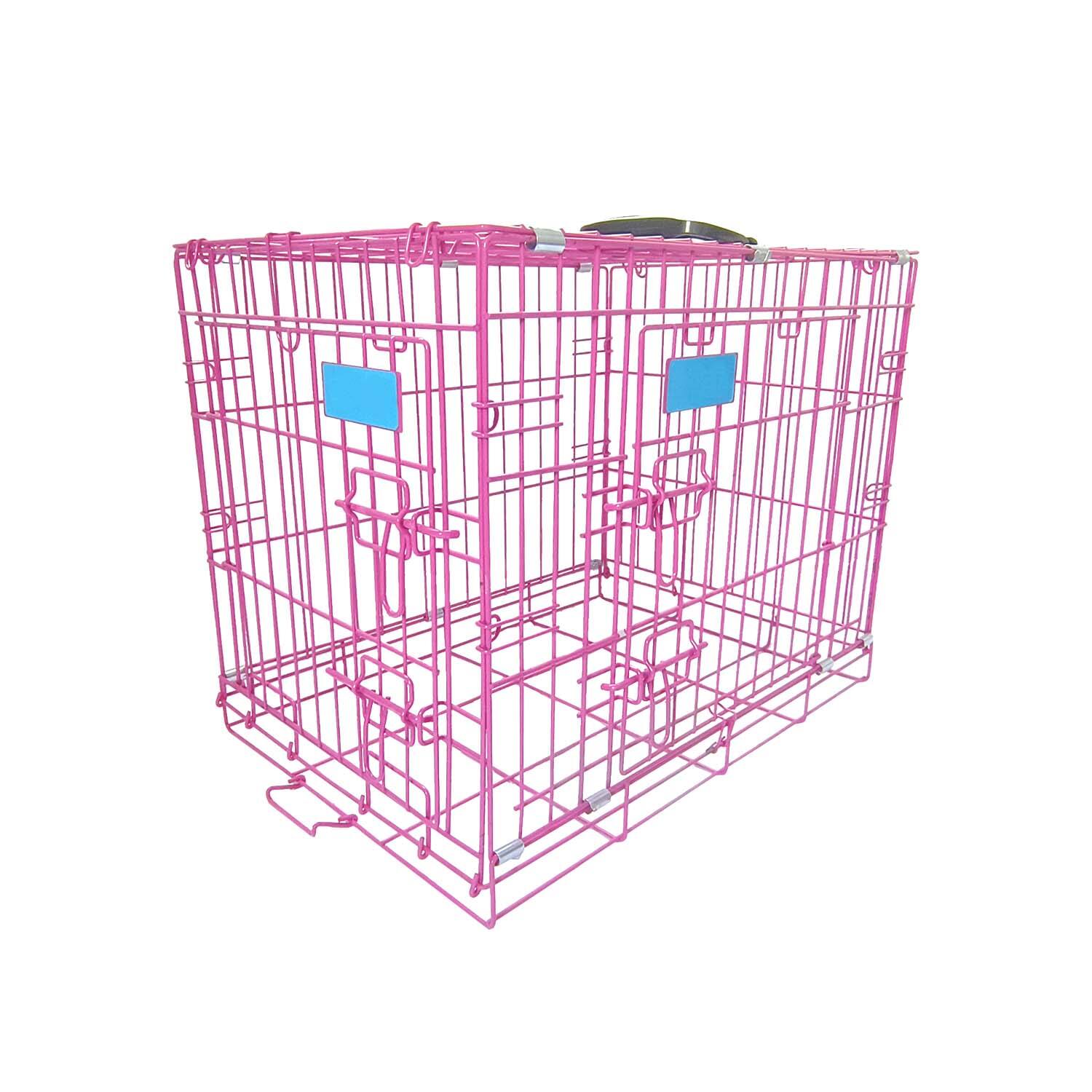
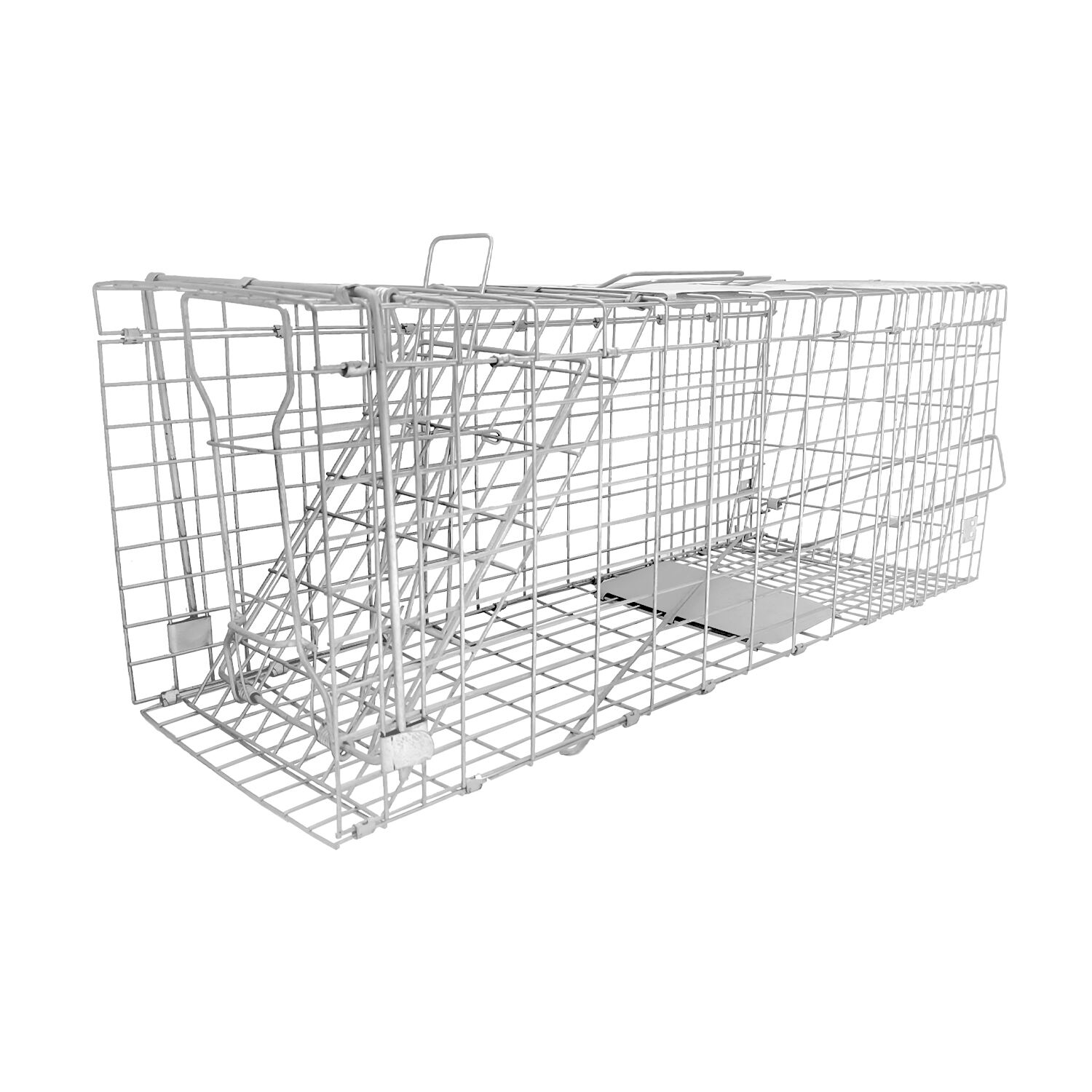
The wholesale trade industry relies heavily on efficient storage solutions to maintain competitive advantage and operational excellence. Storage holders represent a fundamental component in modern warehousing systems, providing essential organization capabilities that directly impact business performance. These versatile storage solutions have evolved from simple containment devices to sophisticated organizational tools that streamline inventory management, enhance productivity, and maximize space utilization across diverse wholesale environments.
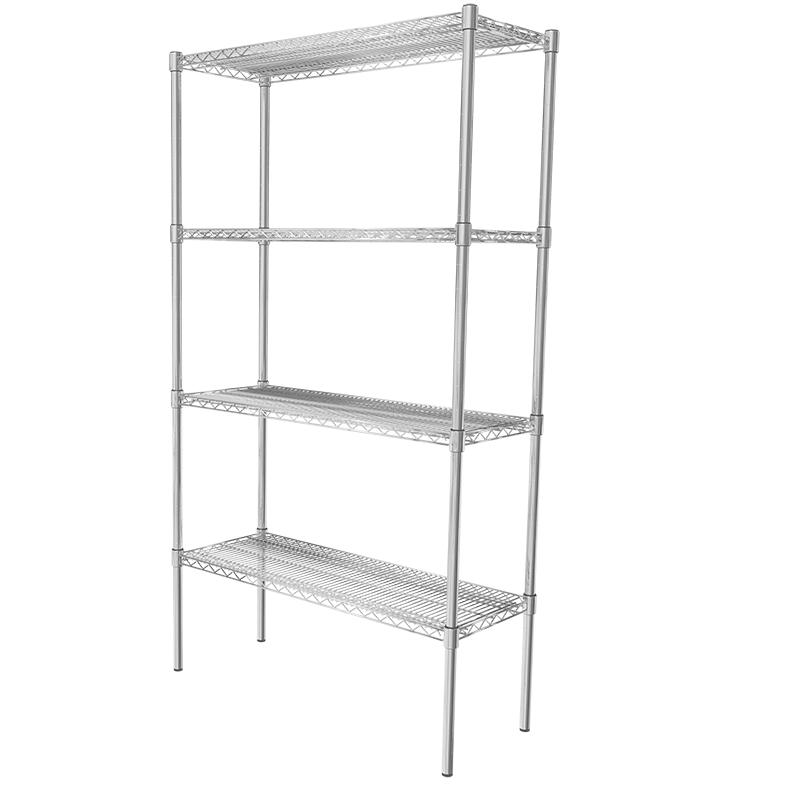
Effective wholesale operations depend on systematic inventory organization, where storage holders serve as the backbone of efficient product categorization systems. These organizational tools enable businesses to separate different product lines, sizes, and variants in clearly defined spaces that facilitate quick identification and retrieval. Professional storage holders create visual boundaries that help warehouse staff distinguish between similar items, reducing picking errors and improving overall accuracy rates in order fulfillment processes.
Modern storage holders incorporate design features that accommodate various product dimensions and weights, ensuring that each item category receives appropriate containment solutions. The strategic placement of storage holders throughout warehouse facilities creates logical pathways that guide workers through systematic picking routes, minimizing travel time and maximizing productivity during peak operational periods.
Wholesale facilities face constant pressure to maximize storage density while maintaining accessibility standards that support efficient operations. Storage holders contribute significantly to space optimization by creating vertical storage opportunities and enabling more compact arrangements of inventory items. These solutions transform underutilized areas into productive storage zones, particularly in facilities where floor space commands premium pricing.
The modular nature of professional storage holders allows wholesale operations to adapt their storage configurations as inventory requirements change throughout different seasons or market cycles. This flexibility proves essential for businesses that handle diverse product portfolios requiring different storage approaches and spatial arrangements throughout the operational year.
The food and beverage wholesale sector presents unique storage challenges that require specialized containment solutions capable of maintaining product integrity while facilitating efficient handling processes. Storage holders designed for this industry incorporate features that protect products from contamination, moisture, and temperature fluctuations that could compromise quality standards. These applications often require storage holders with easy-clean surfaces and materials that resist bacterial growth.
Temperature-sensitive products benefit from storage holders that promote air circulation while providing adequate protection from environmental factors. The wholesale food industry relies on these solutions to maintain compliance with health regulations and quality standards that govern product handling and storage practices throughout the distribution chain.
Electronic component wholesalers require storage holders that provide protection against static discharge, dust accumulation, and physical damage that could render valuable inventory unusable. These specialized applications often incorporate anti-static materials and cushioning elements that safeguard delicate circuitry and sensitive components during storage and handling operations.
The precision required in electronics storage makes storage holders essential for maintaining component traceability and preventing mix-ups that could result in costly shipping errors or customer dissatisfaction. These storage solutions often feature clear visibility options that allow warehouse staff to verify component specifications without removing items from their protective containers.
Strategic implementation of storage holders throughout wholesale facilities creates standardized workflows that reduce training requirements and minimize operational errors. Workers benefit from consistent storage patterns that become intuitive over time, leading to faster picking speeds and improved accuracy rates. These organizational improvements translate directly into labor cost savings and enhanced customer satisfaction through more reliable order fulfillment.
Storage holders contribute to ergonomic improvements by positioning frequently accessed items at optimal heights and locations that reduce physical strain on warehouse personnel. This consideration becomes particularly important in high-volume operations where repetitive motions and heavy lifting requirements can impact worker safety and long-term productivity.
Modern storage holders integrate seamlessly with inventory management systems that rely on barcode scanning and RFID technology to maintain accurate stock counts. These solutions provide designated locations for tracking devices and ensure consistent positioning that facilitates automated inventory monitoring processes. The systematic organization enabled by storage holders improves cycle counting accuracy and reduces discrepancies between physical and system inventory records.
Advanced storage holders accommodate labeling systems that support both human-readable information and machine-scannable codes, creating dual-purpose identification solutions that enhance operational flexibility. This capability proves essential for wholesale operations that serve customers with different technological capabilities and ordering preferences.
Professional-grade storage holders utilize materials specifically selected to withstand the demanding conditions typical in wholesale environments, including exposure to varying temperatures, humidity levels, and chemical substances. Stainless steel options provide superior corrosion resistance for applications involving moisture or cleaning chemicals, while high-density plastics offer lightweight alternatives with excellent impact resistance.
The selection of appropriate materials for storage holders directly impacts their service life and total cost of ownership in wholesale applications. Facilities that invest in quality materials typically experience lower replacement costs and reduced maintenance requirements, contributing to better long-term financial performance and operational reliability.
Wholesale operations often involve heavy products that require storage holders capable of supporting substantial weight loads without compromising structural integrity. Professional storage holders undergo rigorous testing to verify their load-bearing capabilities and ensure safe operation under maximum capacity conditions. These specifications become critical safety factors in facilities where overhead storage or multi-level racking systems create potential hazards.
The engineering behind robust storage holders considers dynamic loading conditions that occur during normal warehouse operations, including impact forces from material handling equipment and vibrations from nearby machinery. This comprehensive approach to structural design ensures reliable performance throughout the expected service life of the storage system.
Contemporary storage holders increasingly incorporate features that support automated material handling systems, including robotic picking technologies and conveyor integration capabilities. These advanced applications require precise dimensional tolerances and standardized interfaces that enable seamless interaction between storage containers and automated equipment.
The compatibility between storage holders and automation technologies becomes a crucial factor in warehouse modernization projects, where existing storage systems must adapt to accommodate new robotic capabilities. Forward-thinking wholesale operations select storage holders that provide upgrade pathways for future automation investments.
Smart storage holders equipped with sensor technologies enable real-time monitoring of inventory levels, environmental conditions, and usage patterns that provide valuable operational insights. These data collection capabilities support predictive analytics applications that optimize replenishment schedules and identify efficiency improvement opportunities throughout the warehouse operation.
The integration of storage holders with enterprise resource planning systems creates comprehensive visibility into inventory movements and storage utilization patterns. This information enables data-driven decision making regarding storage allocation, product placement strategies, and capacity planning initiatives that improve overall operational performance.
The financial justification for storage holders in wholesale operations extends beyond simple purchase price considerations to encompass installation costs, training requirements, and system integration expenses. Professional storage holders typically require minimal installation complexity while providing immediate operational benefits that begin generating returns from the first day of implementation.
Wholesale businesses benefit from conducting comprehensive cost-benefit analyses that consider both direct savings from improved efficiency and indirect benefits such as reduced insurance premiums from enhanced safety standards. These comprehensive evaluations often reveal that quality storage holders provide attractive payback periods through measurable operational improvements.
Durable storage holders contribute to long-term cost savings through reduced product damage, improved inventory accuracy, and decreased labor requirements for routine warehouse operations. These ongoing benefits compound over time, creating substantial cumulative savings that far exceed the initial investment in quality storage solutions.
The reliability of professional storage holders reduces maintenance costs and eliminates unexpected replacement expenses that can disrupt warehouse operations and impact customer service levels. This operational continuity proves particularly valuable for wholesale businesses that operate on thin margins where any disruption can significantly impact profitability.
Wholesale businesses should evaluate load capacity requirements, environmental conditions, compatibility with existing equipment, and future expansion plans when selecting storage holders. Material durability, maintenance requirements, and integration capabilities with inventory management systems also play crucial roles in the selection process. Additionally, businesses should consider the specific products being stored, handling frequency, and safety regulations applicable to their industry sector.
Storage holders enhance workplace safety by providing secure containment that prevents items from falling or shifting during handling operations. They create organized pathways that reduce trip hazards and improve visibility throughout the warehouse facility. Properly designed storage holders also support ergonomic practices by positioning items at appropriate heights and locations that minimize physical strain on workers during routine operations.
Yes, many manufacturers offer customization options for storage holders to meet specific industry requirements and operational needs. Customizations may include specialized materials for chemical resistance, modified dimensions for unique products, integrated labeling systems, or enhanced security features. Wholesale businesses should work with experienced suppliers who understand their industry requirements and can recommend appropriate modifications or custom solutions.
Regular cleaning schedules, periodic inspections for damage or wear, and prompt repairs maintain storage holders in optimal condition throughout their service life. Facilities should establish preventive maintenance programs that include checking for structural integrity, verifying load capacity compliance, and ensuring proper installation security. Training warehouse staff on proper usage techniques and load distribution also prevents premature wear and extends operational life significantly.
 Hot News
Copyright © 2026 Top Trust Biotechnology Co., Ltd All Rights Reserved Privacy policy
 EN
EN
 AR
AR
 FR
FR
 PT
PT
 ES
ES
 VI
VI
 BG
BG
 HR
HR
 CS
CS
 DA
DA
 NL
NL
 FI
FI
 DE
DE
 EL
EL
 HI
HI
 IT
IT
 JA
JA
 KO
KO
 NO
NO
 PL
PL
 RO
RO
 RU
RU
 SV
SV
 TL
TL
 IW
IW
 SK
SK
 SL
SL
 ET
ET
 HU
HU
 TH
TH
 TR
TR
 MS
MS
 IS
IS
 KA
KA
 BN
BN
 LA
LA
 MN
MN
 NE
NE
 UZ
UZ