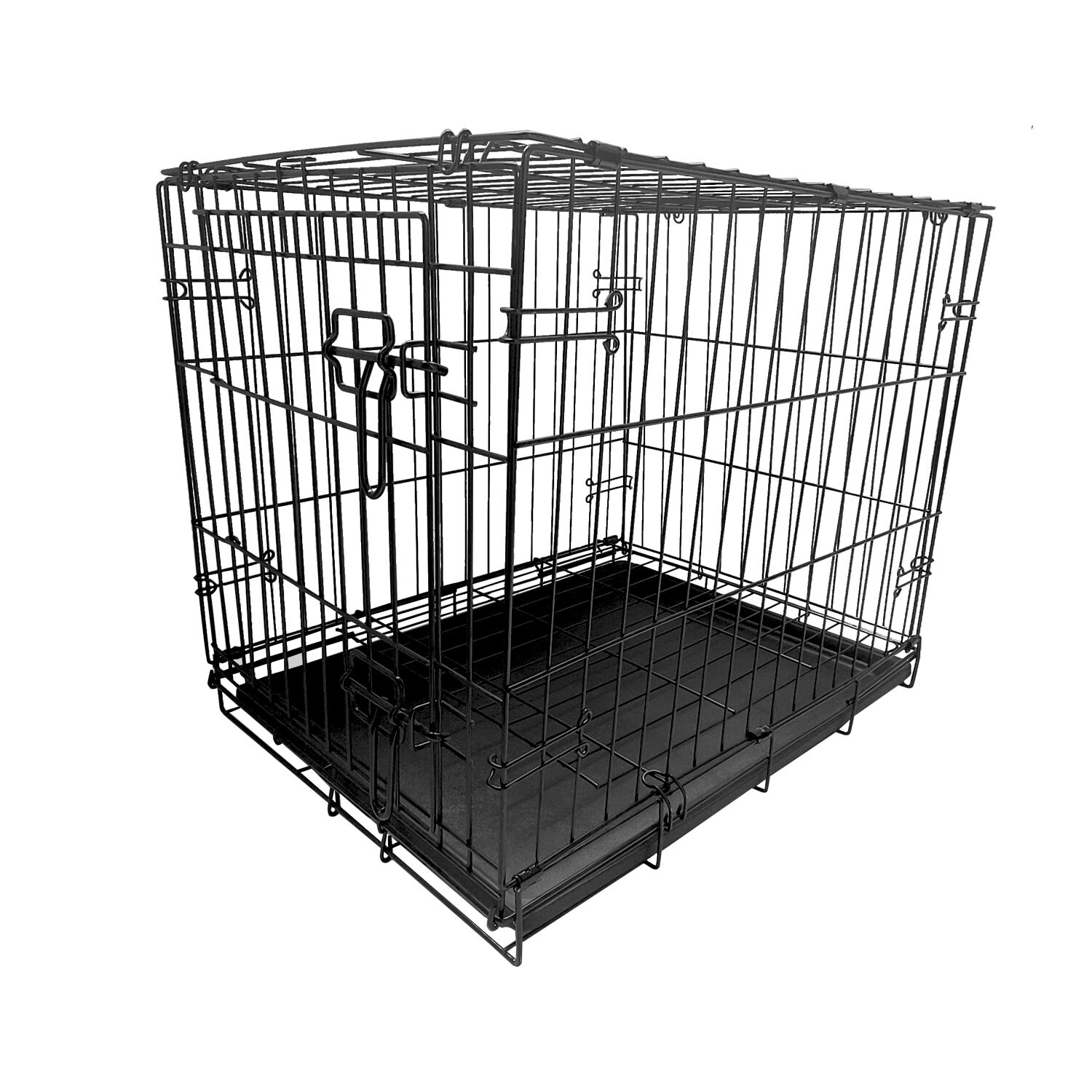
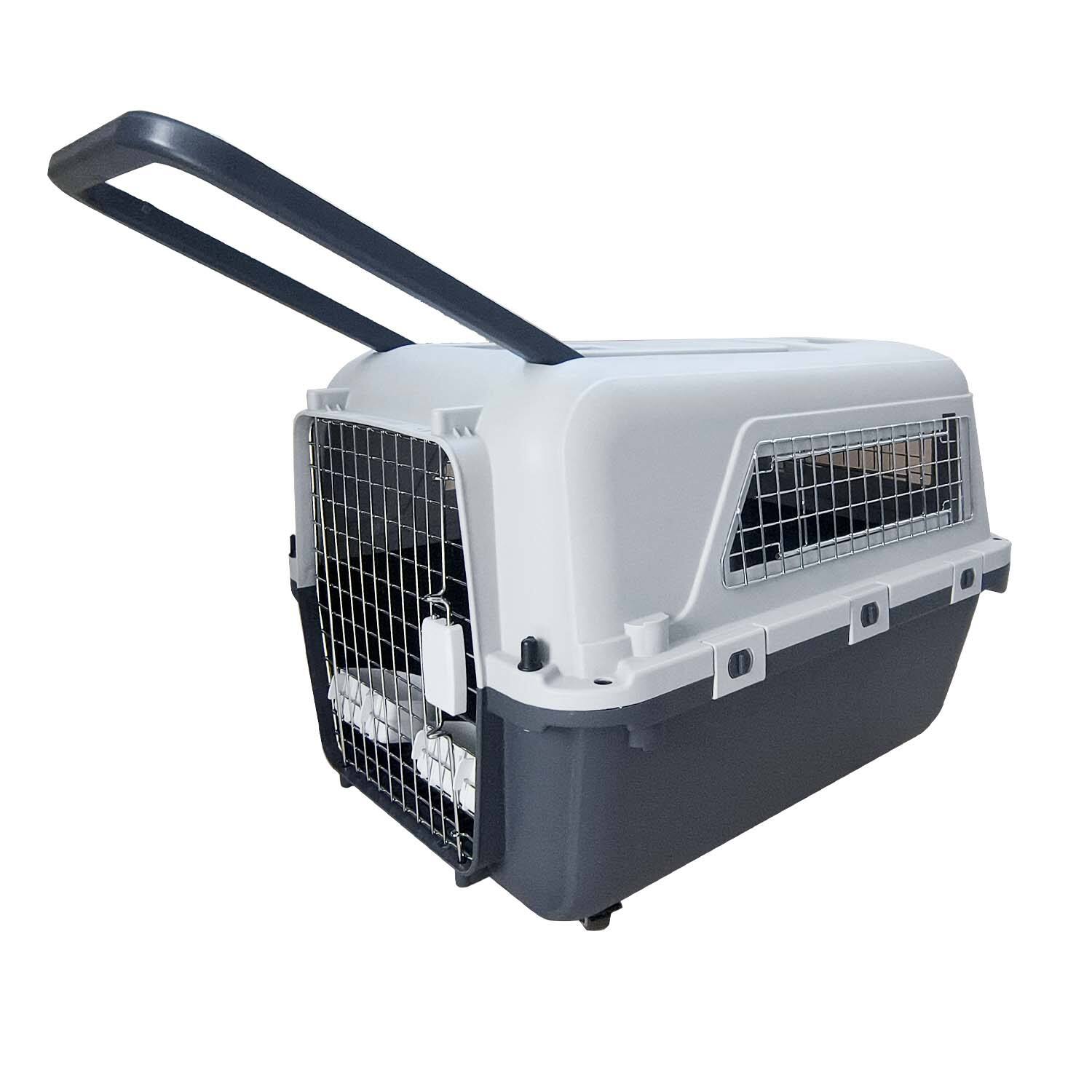
Selecting the right pet cages for your beloved animals requires careful consideration of multiple factors that directly impact their health, comfort, and overall wellbeing. Modern pet owners understand that a cage is not merely a containment solution but rather a safe haven where animals spend significant portions of their daily lives. The market offers countless options with varying materials, sizes, and features, making the selection process both exciting and overwhelming for responsible pet guardians.
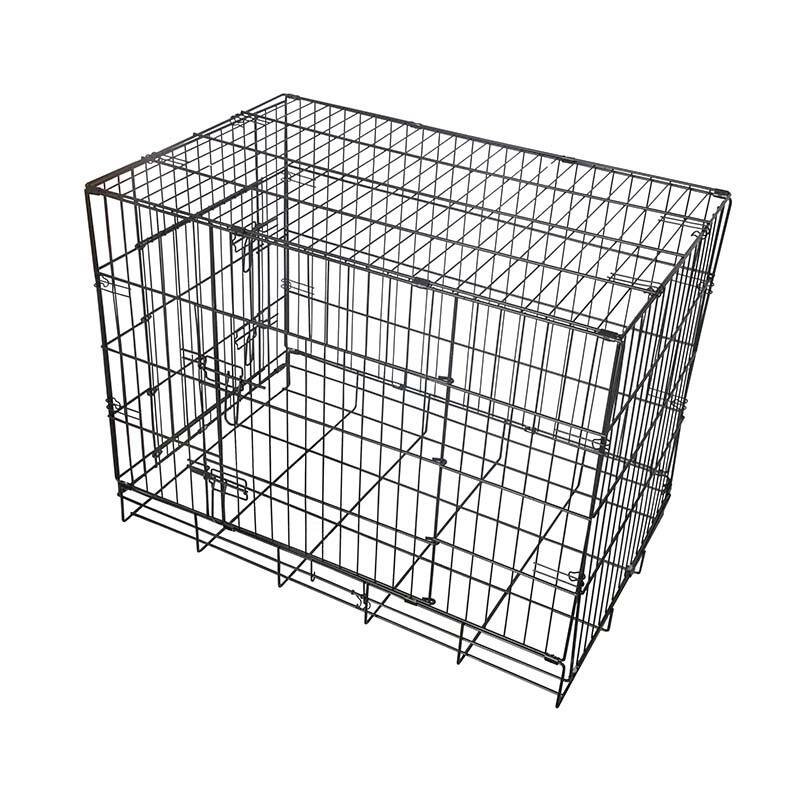
Quality enclosures serve as temporary homes during travel, recovery spaces after medical procedures, training environments, and permanent housing solutions for various animal species. Whether you are housing small birds, rabbits, ferrets, or larger dogs, understanding the fundamental principles of cage selection ensures your pets remain comfortable, secure, and mentally stimulated throughout their confinement periods.
The foundation of comfortable pet housing begins with adequate spatial dimensions that allow natural movement patterns and behaviors. Professional veterinarians recommend measuring your animal's full body length, height, and wingspan to establish minimum cage requirements that exceed these measurements by substantial margins. Small animals like hamsters need enclosures measuring at least 24 inches long, while medium-sized dogs require spaces measuring 48 inches or longer to accommodate comfortable lying, standing, and turning movements.
Height considerations become particularly crucial for animals that naturally climb, perch, or stand on their hind legs during normal activities. Birds require vertical space for wing stretching and flight attempts, while rabbits need sufficient clearance to perform their characteristic hopping motions without restriction. These dimensional calculations should account for food containers, water dispensers, bedding materials, and enrichment accessories that occupy interior floor space.
Contemporary pet cages often incorporate multiple levels or platforms that maximize usable space within compact footprints while providing environmental enrichment opportunities. These tiered designs allow animals to establish separate zones for sleeping, eating, playing, and waste elimination, mimicking natural territorial behaviors observed in wild environments. Multi-level structures particularly benefit climbing species like ferrets, chinchillas, and certain bird varieties that require vertical exploration opportunities.
The inclusion of ramps, ladders, or stepped platforms enables easy access between levels while encouraging physical exercise and mental stimulation through environmental navigation challenges. However, spacing between levels must prevent head entrapment or injury risks, with gaps measuring either less than one inch or greater than three inches to ensure animal safety during normal movement activities.
Stainless steel and powder-coated metal frameworks represent the gold standard for durable pet cages designed for long-term use and easy maintenance protocols. These materials resist corrosion, withstand aggressive chewing behaviors, and provide excellent structural integrity under various environmental conditions. Metal bars allow superior airflow circulation while maintaining clear visibility between pets and their human companions, reducing stress levels associated with visual isolation.
The spacing between metal bars requires careful attention to prevent escape attempts or head entrapment incidents that could result in serious injuries. Industry standards specify bar spacing measurements based on animal size categories, with smaller gaps for tiny pets and wider spacing for larger animals that require enhanced visibility and ventilation benefits.
High-quality plastic and composite materials offer lightweight alternatives that excel in travel applications and temporary housing situations where portability becomes a primary concern. Modern manufacturing techniques produce plastic enclosures with impressive strength characteristics that rival traditional metal options while providing superior insulation properties during temperature fluctuations. These materials resist bacterial growth when properly maintained and offer seamless cleaning surfaces that eliminate crevices where waste materials might accumulate.
However, plastic constructions may prove vulnerable to determined chewing animals, particularly rabbits, ferrets, and teething puppies that can compromise structural integrity through persistent gnawing behaviors. Regular inspection protocols become essential for identifying early signs of damage that could create sharp edges or escape opportunities requiring immediate attention and potential replacement considerations.
Sophisticated locking mechanisms prevent accidental escapes while ensuring authorized personnel can access interior spaces quickly during emergencies or routine maintenance activities. Spring-loaded latches, sliding bolt systems, and multi-point locking configurations offer varying levels of security appropriate for different animal intelligence levels and physical capabilities. Intelligent species like parrots and ferrets often master simple latch operations, requiring more complex locking solutions to maintain containment effectiveness.
Door positioning and opening directions significantly impact daily care routines and emergency access requirements during veterinary emergencies or evacuation scenarios. Front-opening doors provide convenient access for food placement and cleaning activities, while top-opening configurations facilitate easy animal removal for handling and medical examinations without requiring animals to navigate through narrow openings.
Robust construction techniques ensure enclosures remain stable during active animal behaviors, preventing tipping hazards that could cause injuries or property damage in home environments. Weighted bases, wall-mounting brackets, and interlocking joint systems contribute to overall stability while accommodating various placement locations and usage scenarios. Quality manufacturers conduct rigorous testing procedures to verify their products can withstand typical animal activities without compromising structural soundness.
Welded joints typically provide superior strength compared to bolted connections that may loosen over time through repeated vibrations and movement stresses. Seamless construction techniques eliminate sharp edges and potential snagging hazards that could injure animals during normal activities or cause fabric bedding materials to tear during use.
Comfortable flooring solutions protect sensitive paw pads and joints while providing secure footing during movement activities and rest periods. Wire flooring offers excellent waste drainage but may require supplemental padding areas where animals can rest without experiencing pressure points or discomfort. Solid flooring panels distribute weight evenly and accommodate various bedding materials while simplifying cleaning protocols and waste management systems.
Removable tray systems enable efficient waste collection and cleaning procedures without requiring complete enclosure disassembly or animal relocation during maintenance activities. These trays should feature raised edges to contain bedding materials and prevent spillage onto surrounding floor surfaces while incorporating handles or grip areas for easy removal and replacement operations.
Adequate airflow circulation prevents the accumulation of harmful ammonia gases from waste materials while maintaining comfortable temperature and humidity levels throughout interior spaces. Strategic ventilation openings promote air exchange without creating drafts that could stress temperature-sensitive animals or cause respiratory complications in vulnerable populations. The positioning of ventilation areas should prevent direct exposure to outdoor weather elements while ensuring consistent air quality maintenance.
Temperature regulation becomes particularly important for exotic pets with specific environmental requirements that differ from standard household conditions. Insulation properties of cage materials and the ability to accommodate supplemental heating or cooling accessories may determine whether certain enclosures prove suitable for specialized species with narrow temperature tolerance ranges.
Efficient cage designs minimize the time and effort required for daily maintenance activities while ensuring hygienic conditions that promote animal health and prevent odor development. Removable components, smooth surface finishes, and accessible design features enable thorough cleaning procedures without requiring specialized tools or excessive physical effort from caretakers. Strategic placement of food and water containers reduces mess and contamination while maintaining easy access for refilling and cleaning operations.
Quick-release mechanisms for removable components streamline daily routines and encourage consistent maintenance schedules that benefit both animal health and household cleanliness standards. The ability to disassemble major components facilitates deep cleaning procedures and allows for proper sanitization protocols recommended by veterinary professionals for disease prevention and parasite control measures.
Quality enclosures represent significant investments that should provide many years of reliable service when properly maintained and operated within manufacturer specifications. Understanding warranty coverage, replacement part availability, and typical lifespan expectations helps pet owners make informed purchasing decisions that balance initial costs against long-term value propositions. Premium materials and construction techniques typically justify higher purchase prices through extended service lives and reduced maintenance requirements.
Regular inspection schedules help identify wear patterns, potential failure points, and maintenance needs before they compromise animal safety or containment effectiveness. Proactive replacement of worn components often proves more economical than complete enclosure replacement while ensuring continuous safety standards throughout the product lifecycle.
The appropriate cage size depends on your pet's species, adult size, and activity level. As a general rule, the enclosure should be large enough for your pet to stand, turn around, and lie down comfortably. For dogs, the cage should be 6 inches longer than their body length and 6 inches taller than their head when standing. Small animals like rabbits need at least 4 times their body length in floor space, while birds require enough room to fully extend their wings without touching the sides.
Daily spot cleaning involves removing soiled bedding, uneaten food, and waste materials to maintain hygiene and prevent odor buildup. Complete cage cleaning and disinfection should occur weekly for most pets, though this frequency may increase for animals with health issues or during illness recovery periods. Use pet-safe cleaning products and ensure all surfaces are completely dry before returning your pet to the enclosure to prevent respiratory irritation or skin problems.
Wire cages work well for many pet species but require careful consideration of bar spacing and material quality. The gaps between bars must be appropriate for your pet's size to prevent escape or head entrapment. Small animals with delicate feet may need solid flooring areas to prevent injury, while animals prone to chewing may damage plastic-coated wire over time. Always inspect wire cages regularly for damage, rust, or sharp edges that could harm your pet.
Prioritize safety features like secure locking mechanisms, appropriate bar spacing, and smooth edges without sharp points. Adequate ventilation and easy cleaning access are essential for maintaining your pet's health. Consider your specific needs such as portability for travel, stackability for multiple pets, or integration with existing furniture. Quality construction materials that resist chewing and corrosion will provide better long-term value than cheaper alternatives that require frequent replacement.
 Hot News
Copyright © 2026 Top Trust Biotechnology Co., Ltd All Rights Reserved Privacy policy
 EN
EN
 AR
AR
 FR
FR
 PT
PT
 ES
ES
 VI
VI
 BG
BG
 HR
HR
 CS
CS
 DA
DA
 NL
NL
 FI
FI
 DE
DE
 EL
EL
 HI
HI
 IT
IT
 JA
JA
 KO
KO
 NO
NO
 PL
PL
 RO
RO
 RU
RU
 SV
SV
 TL
TL
 IW
IW
 SK
SK
 SL
SL
 ET
ET
 HU
HU
 TH
TH
 TR
TR
 MS
MS
 IS
IS
 KA
KA
 BN
BN
 LA
LA
 MN
MN
 NE
NE
 UZ
UZ