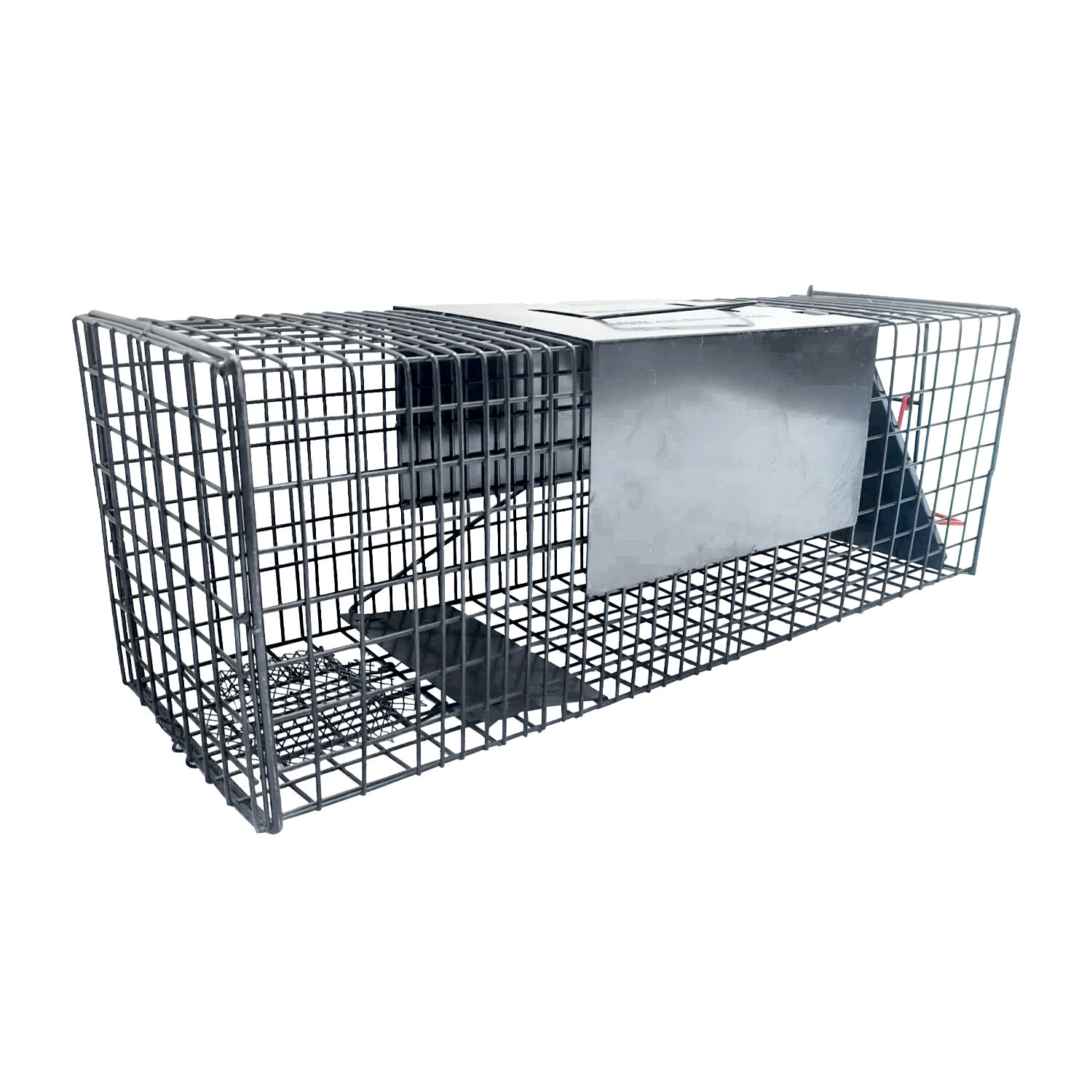
The pet industry has witnessed unprecedented growth in recent years, with pet ownership reaching record highs across global markets. For distributors and retailers looking to capitalize on this expanding market, understanding how to efficiently order OEM pet cages becomes crucial for business success. Large-scale distribution operations require careful planning, quality assurance, and strategic supplier relationships to meet diverse customer demands while maintaining competitive pricing structures.
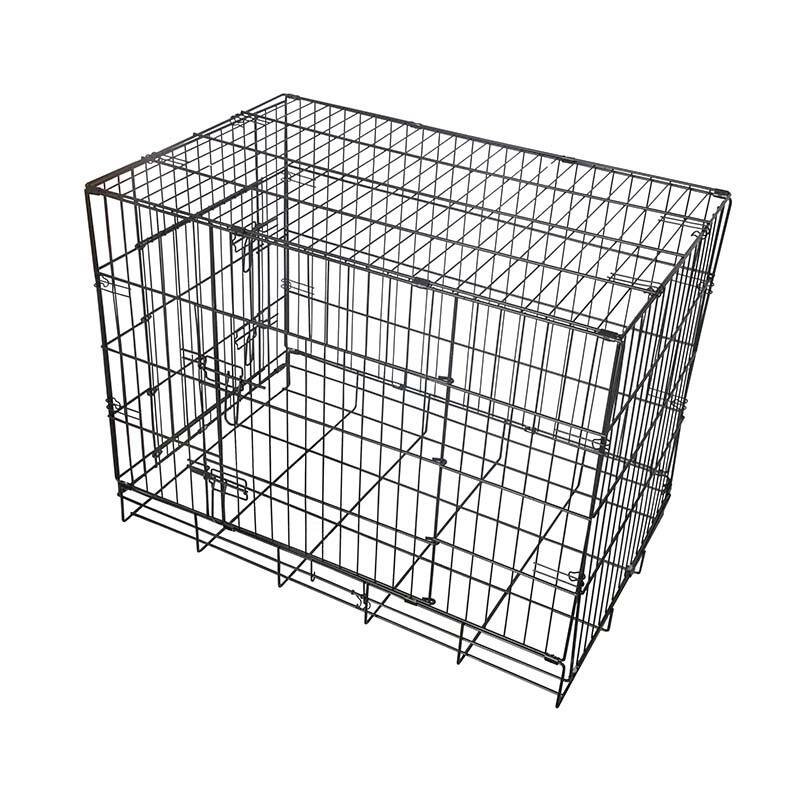
Successful distribution of pet containment solutions requires comprehensive knowledge of manufacturing processes, quality standards, and market demands. Professional distributors understand that OEM pet cages represent more than simple storage solutions; they serve as essential safety equipment for beloved family members. This responsibility drives the need for rigorous supplier evaluation, thorough quality control measures, and strategic inventory management approaches that ensure consistent product availability across diverse market segments.
Modern pet owners increasingly demand premium-quality containment solutions that combine safety, durability, and aesthetic appeal. These evolving consumer preferences create opportunities for distributors who can successfully navigate the complexities of OEM pet cage procurement and maintain strong relationships with reliable manufacturing partners. Understanding these market dynamics enables distribution companies to position themselves effectively within competitive landscapes while building sustainable business models.
Manufacturing excellence in OEM pet cages begins with adherence to stringent safety standards and industry certifications. Professional manufacturers implement comprehensive quality control systems that monitor every aspect of production, from raw material selection to final product assembly. These systems ensure that each cage meets or exceeds established safety protocols while maintaining consistent manufacturing tolerances throughout large production runs.
International safety standards govern various aspects of pet cage construction, including material specifications, structural integrity requirements, and surface finishing protocols. Reputable OEM manufacturers maintain certifications from recognized testing organizations and regularly update their processes to reflect evolving industry standards. Distributors must verify these certifications before establishing supplier relationships to ensure compliance with regional regulations and consumer safety expectations.
Material selection plays a critical role in determining the long-term performance and safety characteristics of OEM pet cages. High-grade steel components provide superior strength and durability, while specialized coating systems protect against corrosion and wear. Professional manufacturers utilize advanced welding techniques and precision manufacturing equipment to ensure consistent joint integrity and optimal structural performance across all product variations.
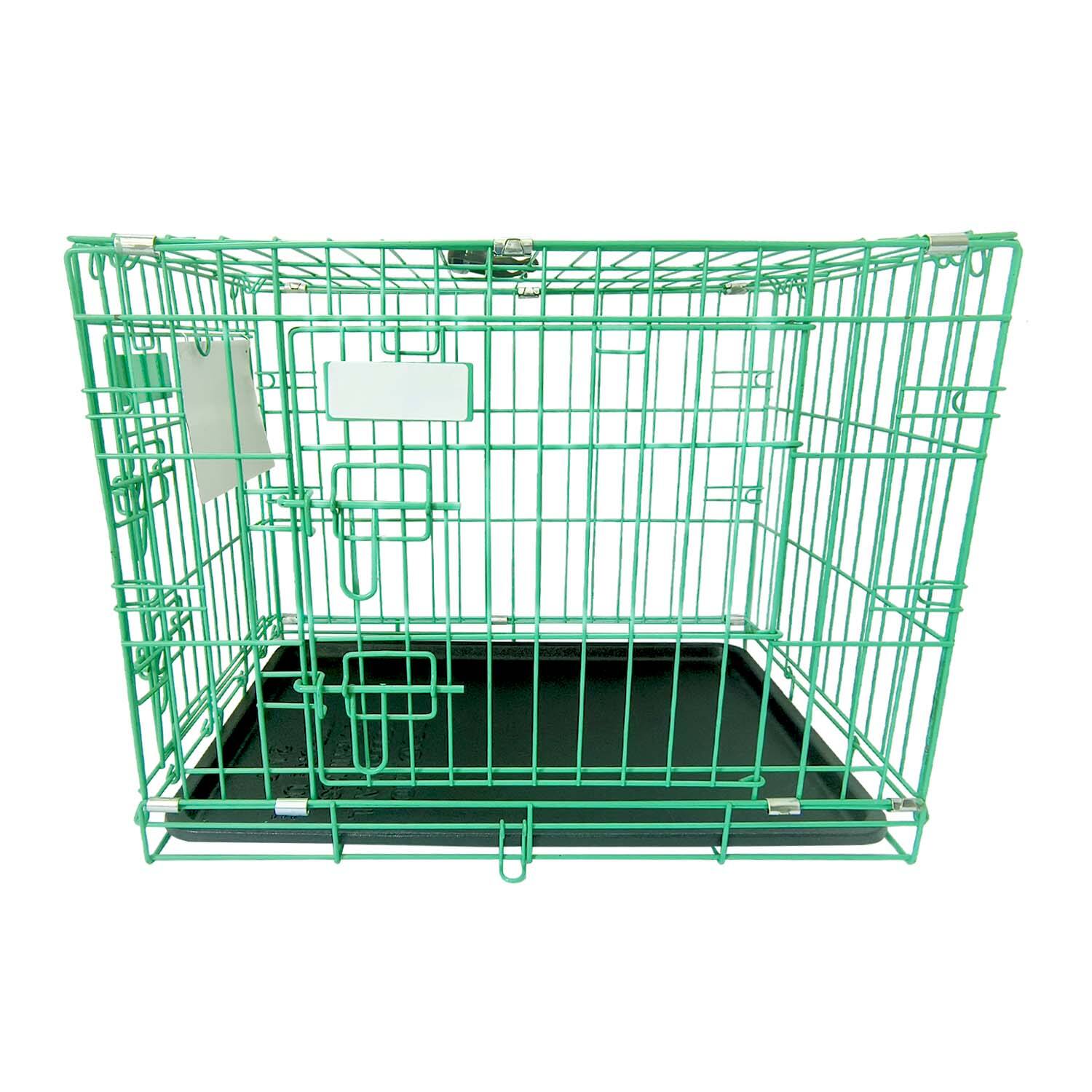
Modern OEM pet cage manufacturers offer extensive customization capabilities that enable distributors to meet specific market requirements and customer preferences. These customization options encompass dimensional variations, color selections, hardware configurations, and specialized feature integrations. Understanding available customization parameters allows distributors to develop comprehensive product portfolios that address diverse market segments and price points.
Advanced manufacturing facilities can accommodate various design modifications while maintaining production efficiency and cost-effectiveness. These modifications may include adjustable shelf systems, specialized door configurations, integrated feeding accessories, and mobility enhancement features. Successful distributors collaborate closely with manufacturers during the design phase to ensure that customized OEM pet cages meet specific performance criteria while maintaining competitive pricing structures.
Color and finish options represent important differentiation factors in competitive retail environments. Professional manufacturers offer extensive coating selections that provide both aesthetic appeal and enhanced durability characteristics. These finishing systems may include powder coating options, decorative patterns, and specialized surface treatments that resist scratching, staining, and bacterial growth while maintaining long-term appearance quality.
Thorough evaluation of potential suppliers forms the foundation of successful OEM pet cage distribution operations. This assessment process encompasses production capacity analysis, quality system evaluation, and technical capability verification. Distributors must conduct comprehensive facility inspections, review manufacturing certifications, and analyze production samples to ensure alignment with their quality standards and delivery requirements.
Production capacity evaluation involves analyzing current manufacturing volumes, equipment capabilities, and expansion potential. Reliable suppliers demonstrate consistent production capacity that can accommodate fluctuating demand patterns while maintaining quality standards. Professional manufacturers typically maintain detailed capacity planning systems that provide visibility into production schedules and enable accurate delivery commitments for large-volume orders.
Quality management systems represent critical evaluation criteria when selecting OEM pet cage suppliers. Established manufacturers implement comprehensive quality control protocols that include incoming material inspection, in-process monitoring, and final product testing. These systems ensure consistent product quality while minimizing defect rates and warranty claims that can impact distributor reputation and profitability.
Long-term supplier relationships require careful evaluation of financial stability and business continuity planning. Distributors must assess supplier financial health, ownership structure, and strategic planning capabilities to minimize supply chain disruption risks. Professional suppliers provide transparent financial reporting and maintain appropriate insurance coverage to protect against unforeseen circumstances that could impact production capabilities.
Business continuity planning encompasses risk mitigation strategies, backup production capabilities, and emergency response protocols. Reliable OEM pet cages suppliers maintain detailed contingency plans that address potential supply chain disruptions, natural disasters, and other business interruption scenarios. These plans typically include alternative sourcing arrangements, emergency inventory provisions, and communication protocols that keep distributors informed during challenging situations.
Strategic alignment between distributors and suppliers creates mutually beneficial relationships that support long-term business growth. Professional suppliers demonstrate commitment to distributor success through competitive pricing structures, flexible payment terms, and collaborative problem-solving approaches. These partnerships enable distributors to respond quickly to market opportunities while maintaining consistent product availability and quality standards.
Effective demand forecasting represents a fundamental requirement for successful OEM pet cage distribution operations. Professional distributors utilize historical sales data, market trend analysis, and seasonal demand patterns to develop accurate volume projections. These forecasting models enable optimal inventory management while minimizing carrying costs and stockout risks that can negatively impact customer satisfaction and business profitability.
Seasonal demand variations significantly impact OEM pet cage sales patterns, with peak periods typically occurring during spring months and holiday seasons. Understanding these patterns enables distributors to plan inventory levels strategically and coordinate production schedules with suppliers. Professional forecasting systems incorporate multiple variables including economic indicators, pet adoption trends, and competitive market dynamics to provide comprehensive demand projections.
Inventory optimization strategies balance carrying costs against service level requirements to maximize profitability while maintaining customer satisfaction. These strategies typically involve safety stock calculations, reorder point determination, and economic order quantity analysis. Advanced inventory management systems provide real-time visibility into stock levels, sales velocity, and demand trends that enable proactive inventory management decisions.
Coordinating production schedules with supplier capabilities requires detailed planning and clear communication protocols. Professional distributors work closely with OEM pet cage manufacturers to establish realistic lead times that account for material procurement, production capacity, and quality control requirements. These collaborative planning processes ensure timely product delivery while maintaining quality standards throughout the manufacturing cycle.
Lead time variability represents a significant challenge in large-volume OEM pet cage distribution operations. Multiple factors including material availability, production capacity constraints, and quality control requirements can impact delivery schedules. Successful distributors develop contingency planning strategies that address potential delays while maintaining customer service commitments through alternative sourcing or inventory management adjustments.
Production milestone monitoring enables proactive management of potential delivery delays and quality issues. Professional suppliers provide regular production updates including material procurement status, manufacturing progress, and quality control results. This visibility enables distributors to communicate accurate delivery expectations to customers while addressing potential issues before they impact business operations.
Comprehensive quality control protocols ensure that OEM pet cages meet established safety and performance standards throughout the production process. Professional distributors implement multi-stage inspection procedures that include material verification, manufacturing process monitoring, and final product testing. These protocols minimize defect rates while ensuring consistent quality across large production volumes.
Material inspection procedures verify that raw materials meet specified composition, strength, and surface finish requirements. These inspections typically include chemical analysis, mechanical testing, and visual examination protocols that ensure material suitability for pet cage applications. Professional suppliers maintain detailed material certifications and testing records that provide traceability throughout the manufacturing process.
Final product testing encompasses structural integrity verification, safety feature validation, and cosmetic quality assessment. These testing procedures may include load testing, joint strength evaluation, and coating adhesion analysis. Professional manufacturers maintain accredited testing facilities and implement statistical sampling protocols that provide confidence in overall product quality while minimizing testing costs.
Regulatory compliance represents a critical aspect of OEM pet cage distribution operations, with requirements varying across different markets and jurisdictions. Professional distributors maintain detailed knowledge of applicable regulations and work closely with suppliers to ensure product compliance. These compliance efforts encompass safety standards, labeling requirements, and documentation protocols that enable successful market access.
Safety standard compliance involves adherence to established testing protocols and certification requirements. Professional suppliers maintain current certifications from recognized testing organizations and regularly update their processes to reflect evolving standards. These certifications provide confidence in product safety while enabling market access in regulated jurisdictions.
Documentation requirements include detailed product specifications, testing reports, and certification records. Professional distributors maintain comprehensive documentation systems that provide traceability and support warranty claims or regulatory inquiries. These systems typically include digital record keeping capabilities that enable efficient information retrieval and sharing with customers or regulatory authorities.
Efficient logistics management plays a crucial role in successful OEM pet cage distribution operations. Professional distributors coordinate closely with suppliers to optimize packaging configurations, shipping methods, and delivery schedules. These coordination efforts minimize transportation costs while ensuring product protection throughout the distribution process.
Packaging optimization involves balancing protection requirements against transportation efficiency considerations. OEM pet cages require specialized packaging systems that prevent damage during handling and transportation while minimizing packaging costs. Professional suppliers utilize advanced packaging design techniques and materials that provide optimal protection characteristics while enabling efficient warehouse handling and retail display preparation.
Transportation mode selection depends on order size, delivery urgency, and cost considerations. Large-volume shipments typically utilize ocean freight for international distribution, while domestic deliveries may employ truck transportation for optimal cost-effectiveness. Professional distributors maintain relationships with multiple transportation providers to ensure capacity availability and competitive pricing across different shipping scenarios.
Professional warehouse management systems enable efficient handling and storage of OEM pet cage inventory while minimizing damage risks and operational costs. These systems incorporate specialized handling equipment, optimal storage configurations, and inventory tracking capabilities that support large-volume distribution operations. Advanced warehouse management technologies provide real-time visibility into inventory levels and facilitate efficient order fulfillment processes.
Storage configuration optimization maximizes warehouse capacity utilization while ensuring product accessibility and damage prevention. OEM pet cages require specialized storage systems that accommodate varying product dimensions while enabling efficient picking and packing operations. Professional distributors implement systematic storage approaches that minimize handling requirements while maintaining inventory accuracy and accessibility.
Inventory tracking systems provide comprehensive visibility into product movement, stock levels, and order fulfillment status. These systems enable proactive inventory management decisions and support accurate customer delivery commitments. Advanced tracking capabilities include lot number management, expiration date monitoring, and quality hold procedures that ensure product integrity throughout the distribution process.
Minimum order quantities for OEM pet cages typically range from 100 to 500 units per product variation, depending on the manufacturer's production capabilities and customization requirements. Professional suppliers often establish different minimum thresholds based on product complexity, with standard models requiring lower minimums than customized configurations. Distributors should negotiate minimum order quantities during initial supplier discussions to ensure alignment with their inventory management strategies and cash flow requirements.
Production lead times for large OEM pet cage orders generally range from 4 to 8 weeks, depending on order complexity, customization requirements, and current production capacity. Standard product configurations typically require shorter lead times, while customized designs or specialized features may extend production schedules. Professional distributors should plan inventory requirements well in advance and maintain ongoing communication with suppliers to monitor production progress and address potential delays proactively.
Distributors should require suppliers to maintain current certifications from recognized testing organizations such as ISO 9001 for quality management systems and relevant safety standards specific to pet products. Additionally, suppliers should provide material certifications for steel components and coating systems used in cage construction. Professional suppliers typically maintain comprehensive certification portfolios and willingly share documentation to demonstrate compliance with industry standards and regulatory requirements.
Consistent quality across large production runs requires implementation of comprehensive quality control protocols including incoming material inspection, in-process monitoring, and final product testing. Distributors should establish clear quality specifications, conduct regular supplier audits, and maintain statistical sampling procedures throughout production. Professional suppliers utilize advanced quality management systems and provide detailed production reports that enable distributors to monitor quality performance and address potential issues before they impact customer satisfaction.
 Hot News
Copyright © 2026 Top Trust Biotechnology Co., Ltd All Rights Reserved Privacy policy
 EN
EN
 AR
AR
 FR
FR
 PT
PT
 ES
ES
 VI
VI
 BG
BG
 HR
HR
 CS
CS
 DA
DA
 NL
NL
 FI
FI
 DE
DE
 EL
EL
 HI
HI
 IT
IT
 JA
JA
 KO
KO
 NO
NO
 PL
PL
 RO
RO
 RU
RU
 SV
SV
 TL
TL
 IW
IW
 SK
SK
 SL
SL
 ET
ET
 HU
HU
 TH
TH
 TR
TR
 MS
MS
 IS
IS
 KA
KA
 BN
BN
 LA
LA
 MN
MN
 NE
NE
 UZ
UZ