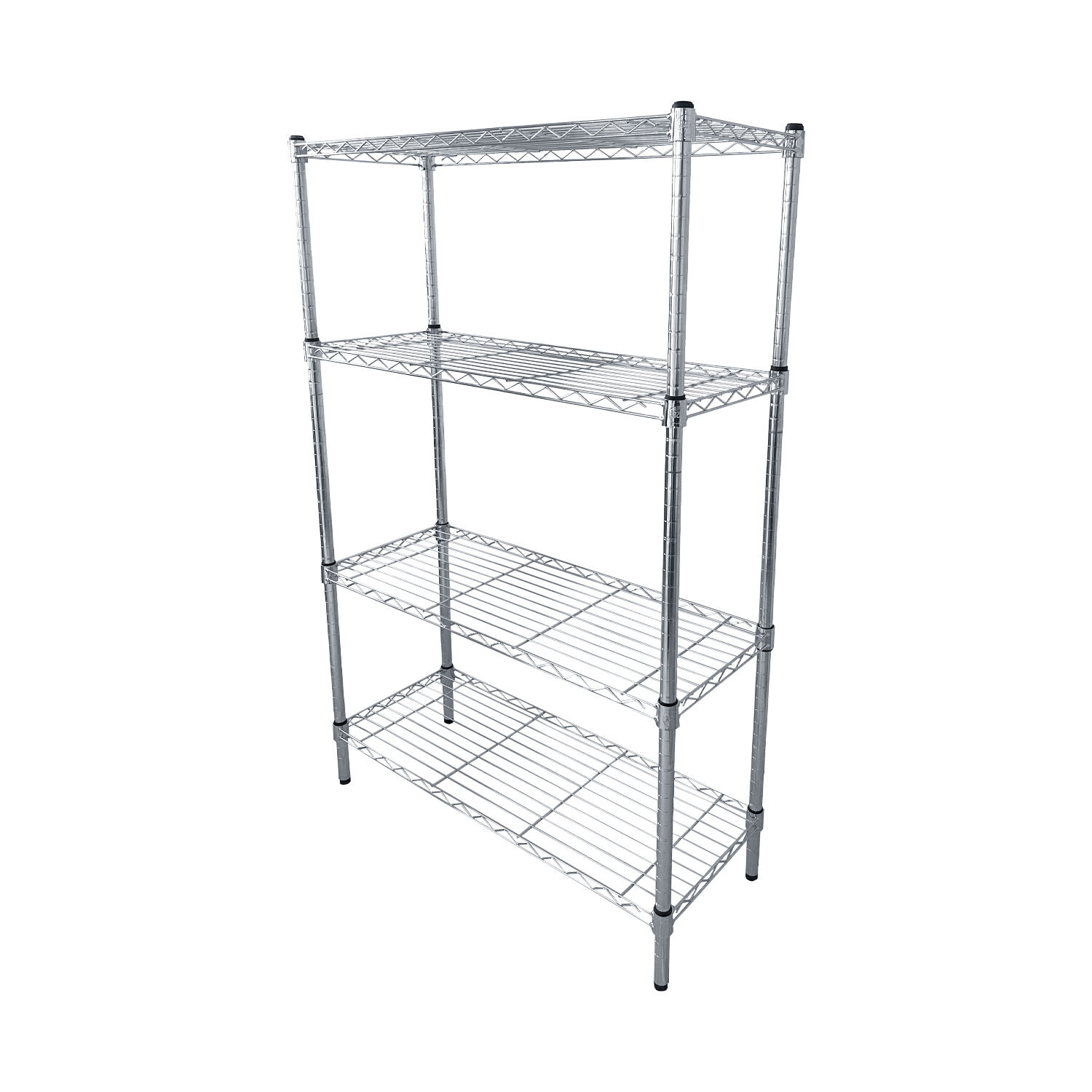
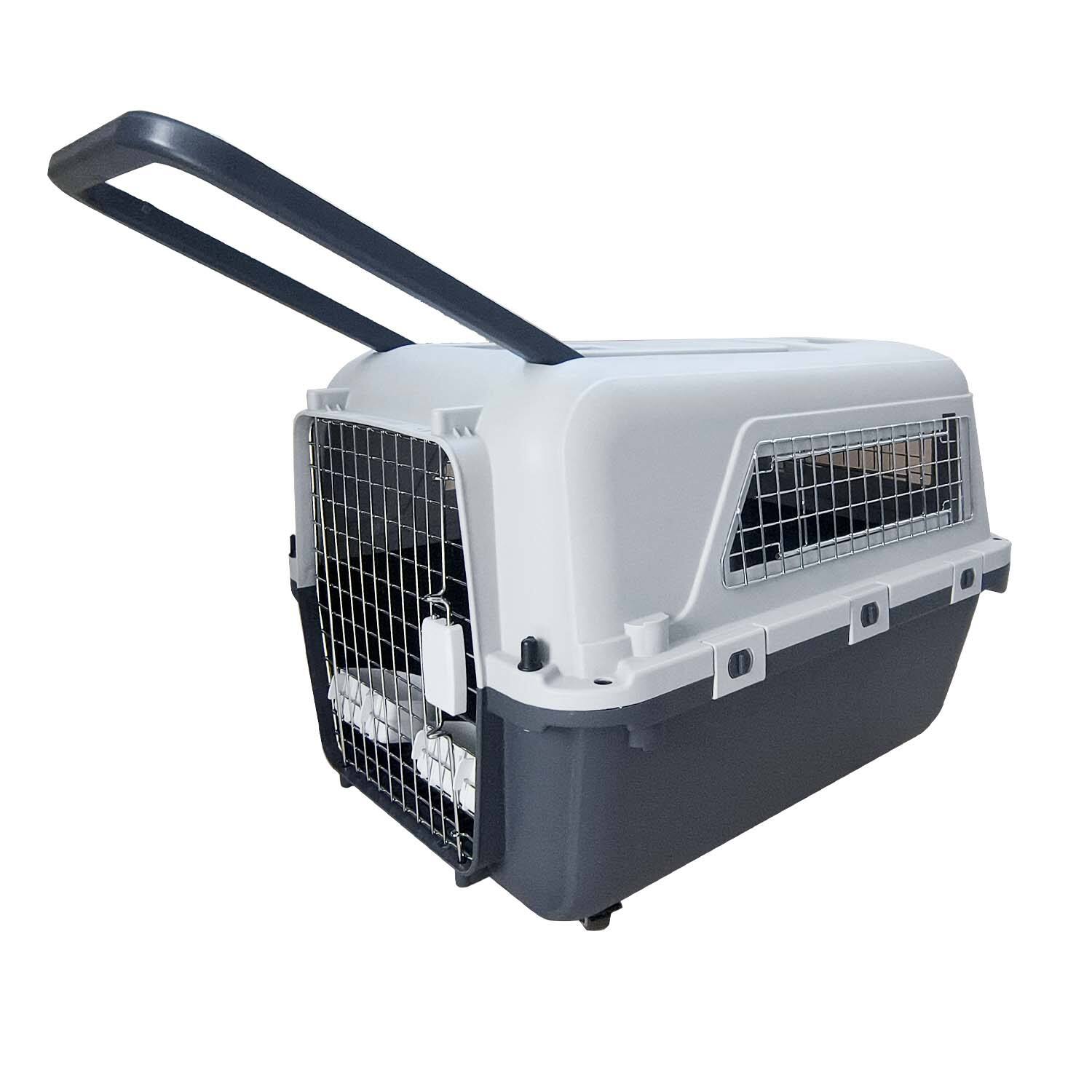
In the fast-paced environment of wholesale retail, maintaining order across large floor spaces, stockrooms, and display areas is one of the most persistent operational challenges managers face. Storage baskets have emerged as one of the most practical and cost-effective tools for addressing this challenge head-on. Whether used for product categorization, visual merchandising, or inventory control, storage baskets bring a measurable layer of structure to spaces that would otherwise become chaotic and difficult to navigate.
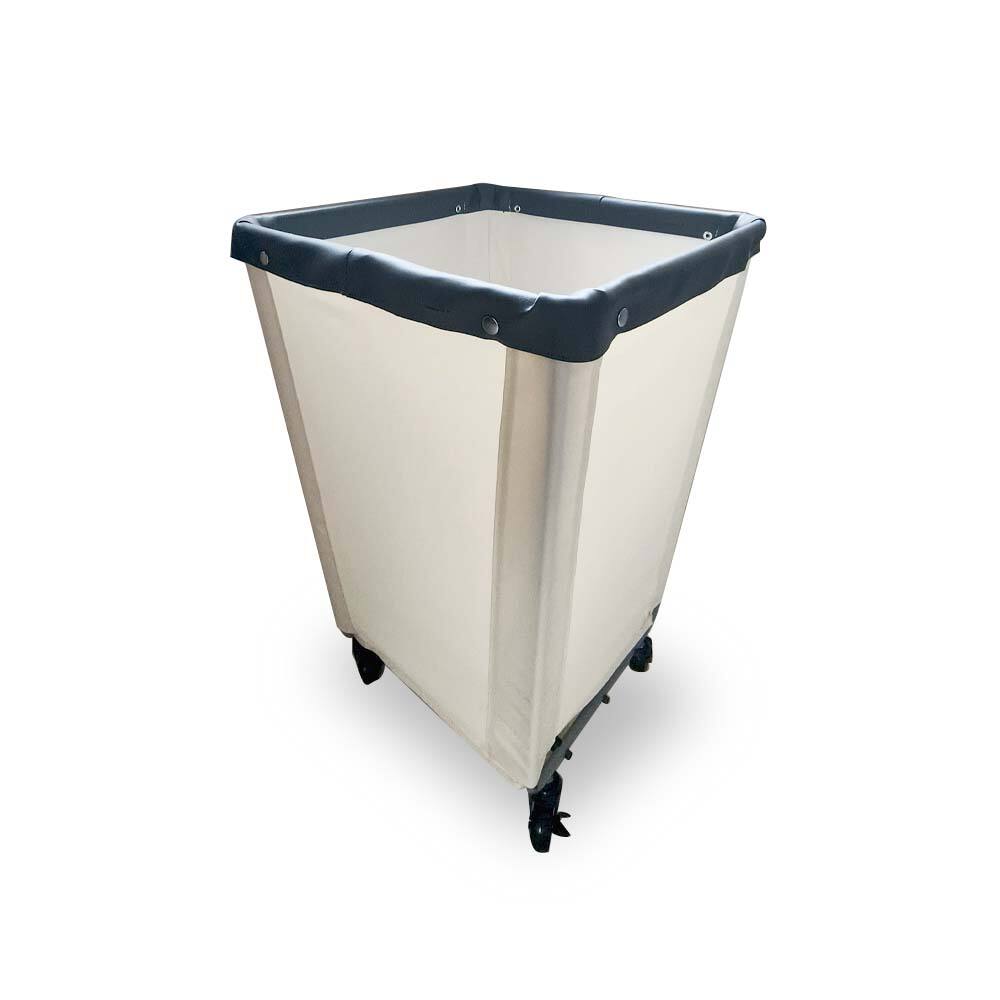
Wholesale stores operate on volume, speed, and efficiency. When employees and customers alike must search through disorganized shelving to find what they need, time is lost, errors increase, and profitability suffers. By strategically deploying storage baskets throughout the store layout, wholesale operators can improve workflow, reduce misplaced inventory, and create a cleaner shopping or picking experience. This article explores exactly how storage baskets contribute to better organization in wholesale environments and why they deserve a central role in any serious retail operations strategy.
One of the most immediate benefits of incorporating storage baskets into a wholesale setting is the ability to group related products into clearly defined zones. Rather than allowing items to spread across wide shelving units in an uncontrolled manner, storage baskets physically contain product categories so that staff can locate and replenish stock without confusion. This grouping logic translates directly into faster fulfillment times and fewer picking errors during high-traffic periods.
In wholesale environments where SKU counts run into the thousands, the absence of clear containment solutions creates compounding disorganization over time. Storage baskets introduce a visual and physical boundary that employees learn to respect and maintain. When each basket carries a specific category of item, restocking becomes intuitive, audits become faster, and the mental load on floor staff decreases significantly. The result is a more consistent and scalable organizational system that holds up even during peak season rushes.
Beyond functionality, the use of labeled or color-coded storage baskets also contributes to a professional store appearance. Customers and buyers visiting a wholesale outlet form immediate impressions based on how organized the floor looks. Neat rows of well-maintained storage baskets signal a high-quality operation, which can subtly influence purchasing confidence and reinforce the store's brand image.
The organizational benefits of storage baskets are not limited to the sales floor. In stockrooms, receiving areas, and back-of-house storage zones, baskets play an equally critical role in preventing clutter and ensuring that inventory flows smoothly from receiving through to placement. When incoming goods are immediately placed into designated storage baskets, the receiving process becomes standardized and traceable.
Back-of-house areas are often the most disorganized parts of wholesale operations because they receive less visible scrutiny. However, disorder in these spaces directly impacts how quickly and accurately product gets to the floor. By using durable storage baskets to segment buffer stock by type, size, or replenishment priority, stores can dramatically reduce the time it takes to locate items during restocking runs. The discipline of back-of-house basket organization also reduces damage to products that might otherwise be stacked haphazardly.
Wholesale stores that serve both trade buyers and end consumers must balance efficiency with browsability. Storage baskets help achieve this balance by making product displays visually accessible without sacrificing the density needed for volume retail. When storage baskets are arranged thoughtfully on shelving or display tables, customers can see product options at a glance, pick items easily, and return items to the correct location—reducing store disorder caused by customer handling.
In wholesale environments where buyers often visit to inspect full product ranges before placing large orders, the ability to clearly display and separate product variants is a commercial advantage. Storage baskets allow wholesale operators to create mini-display zones within larger shelf sections, giving buyers a structured way to compare options without mixing up different SKUs. This structured presentation reduces purchase confusion and can accelerate the buying decision.
The ergonomics of shopping also improve when storage baskets are sized and positioned appropriately. Baskets placed at accessible heights reduce the physical effort required to browse and select products, particularly for buyers purchasing in bulk who may spend extended time examining merchandise. A well-organized store powered by storage baskets communicates respect for the buyer's time and convenience.
Disorganized store floors contribute directly to inventory shrinkage through misplacement, damage, and untracked movement of goods. Storage baskets create a fixed home for every product category, which makes it immediately obvious when items are missing or misplaced. This built-in accountability is one of the more understated advantages that storage baskets bring to wholesale environments.
When staff perform daily floor checks and notice that a basket that should hold a certain product is empty or contains mismatched goods, they can address the issue before it becomes a significant inventory discrepancy. This kind of ground-level visibility, enabled by consistent use of storage baskets, supports a proactive inventory management culture rather than a reactive one. Over time, this culture leads to lower shrinkage figures and more accurate stock counts.
Not all storage baskets are equal in performance, and wholesale stores need solutions built to withstand constant handling, frequent loading, and the wear of a commercial environment. Material choice is one of the most important decisions when selecting storage baskets for high-volume settings. Woven or molded plastic baskets offer durability and ease of cleaning, while fabric or textile-based baskets may suit lighter product categories or display-oriented applications.
For wholesale operations dealing with heavy or bulk items, the structural integrity of storage baskets must be evaluated carefully. A basket that deforms or breaks under load creates safety risks and forces frequent replacement, undermining the cost efficiency of the solution. Choosing commercial-grade storage baskets with reinforced handles and rigid sidewalls ensures longevity in demanding environments and reduces the total cost of ownership over time.
Cleanability is another practical factor. Wholesale stores often deal with products that shed dust, debris, or moisture. Storage baskets that are easy to wipe down or wash maintain hygienic conditions and extend their useful life. Materials that resist staining and retain their appearance after repeated cleaning cycles are especially valuable in customer-facing areas where presentation matters.
Wholesale stores benefit from a modular approach to storage baskets that allows different sizes to work together within the same shelving systems. Small baskets can contain high-turnover impulse products near checkout zones, while larger baskets hold bulk items in the main aisles. When storage baskets are designed to stack, nest, or align with standard shelf dimensions, they integrate seamlessly into existing infrastructure without requiring costly store redesigns.
Scalability matters because wholesale stores frequently adjust their layouts in response to seasonal demand, new product introductions, or space optimization initiatives. Storage baskets that are lightweight and easily repositioned give operations managers the flexibility to reconfigure store zones quickly without disrupting overall organization. This adaptability makes baskets a highly practical long-term investment for wholesale retailers of all sizes.
One of the most tangible operational gains from systematic use of storage baskets is the reduction in restocking time. When each basket has a fixed location and a designated product category, floor staff can execute replenishment runs with minimal decision-making. They know exactly where to go, what to bring, and how much fits in each basket. This predictability reduces the time per restocking cycle and allows more frequent floor replenishment during busy trading hours.
In large wholesale environments with dozens of product zones, the cumulative time savings from basket-based restocking routines can be substantial. Staff spend less time searching for product homes and more time completing productive tasks. Training new employees also becomes simpler when the store organization logic is clearly visible through a structured system of labeled storage baskets. The learning curve shortens, and new hires reach full operational effectiveness more quickly.
Storage baskets contribute indirectly but meaningfully to loss prevention efforts. When every product category has a designated container, deviations from normal fill levels become easy to spot during routine floor walks. Managers and supervisors can quickly identify areas of unusual depletion that might signal theft, unauthorized removal, or fulfillment errors. This ground-level visibility is a low-tech but effective complement to electronic loss prevention systems.
Audit readiness also improves when storage baskets are consistently used as the organizational backbone of the store. Physical inventory counts become faster and more accurate when products are contained and separated by basket rather than scattered loosely across shelving. Auditors and operations managers can move through the store systematically, counting contents basket by basket rather than trying to reconcile loose stacks of mixed merchandise. This clarity reduces audit duration and improves data accuracy.
Storage baskets work well for a wide range of product types commonly found in wholesale environments, including packaged goods, textiles, small hardware items, personal care products, and household supplies. Products that benefit most are those sold in moderate-to-high volume and require clear categorization to prevent mixing. Lightweight to medium-weight items are particularly well suited to basket containment, though heavier-duty baskets can accommodate denser merchandise.
The number of storage baskets required depends on the store's floor size, product range, and shelving configuration. A practical approach is to map every product category that requires containment and assign at least one basket per category per shelf zone. Most mid-sized wholesale stores find that a combination of small, medium, and large storage baskets deployed across sales floor, display, and stockroom areas provides comprehensive coverage without excessive investment.
Yes. Well-chosen storage baskets enhance the visual appeal of a wholesale store while delivering practical organizational benefits. Uniform baskets in consistent colors or materials create a cohesive look that makes the store feel well-managed and professional. At the same time, their functional role in categorizing and containing products ensures that the improved appearance is sustainable rather than superficial. The two goals reinforce each other when storage baskets are selected and deployed with both design and utility in mind.
Storage baskets reduce staff workload primarily by eliminating ambiguity during restocking, picking, and auditing tasks. When every product has a clearly defined container and location, employees make fewer decisions per task and move more efficiently through the store. The time saved on searching, reorganizing, and correcting misplacements accumulates into meaningful labor cost savings over weeks and months. Additionally, the visible order created by storage baskets reduces the frequency of full store reorganization events, freeing staff time for higher-value activities.
 Hot News
Copyright © 2026 Top Trust Biotechnology Co., Ltd All Rights Reserved Privacy policy
 EN
EN
 AR
AR
 FR
FR
 PT
PT
 ES
ES
 VI
VI
 BG
BG
 HR
HR
 CS
CS
 DA
DA
 NL
NL
 FI
FI
 DE
DE
 EL
EL
 HI
HI
 IT
IT
 JA
JA
 KO
KO
 NO
NO
 PL
PL
 RO
RO
 RU
RU
 SV
SV
 TL
TL
 IW
IW
 SK
SK
 SL
SL
 ET
ET
 HU
HU
 TH
TH
 TR
TR
 MS
MS
 IS
IS
 KA
KA
 BN
BN
 LA
LA
 MN
MN
 NE
NE
 UZ
UZ