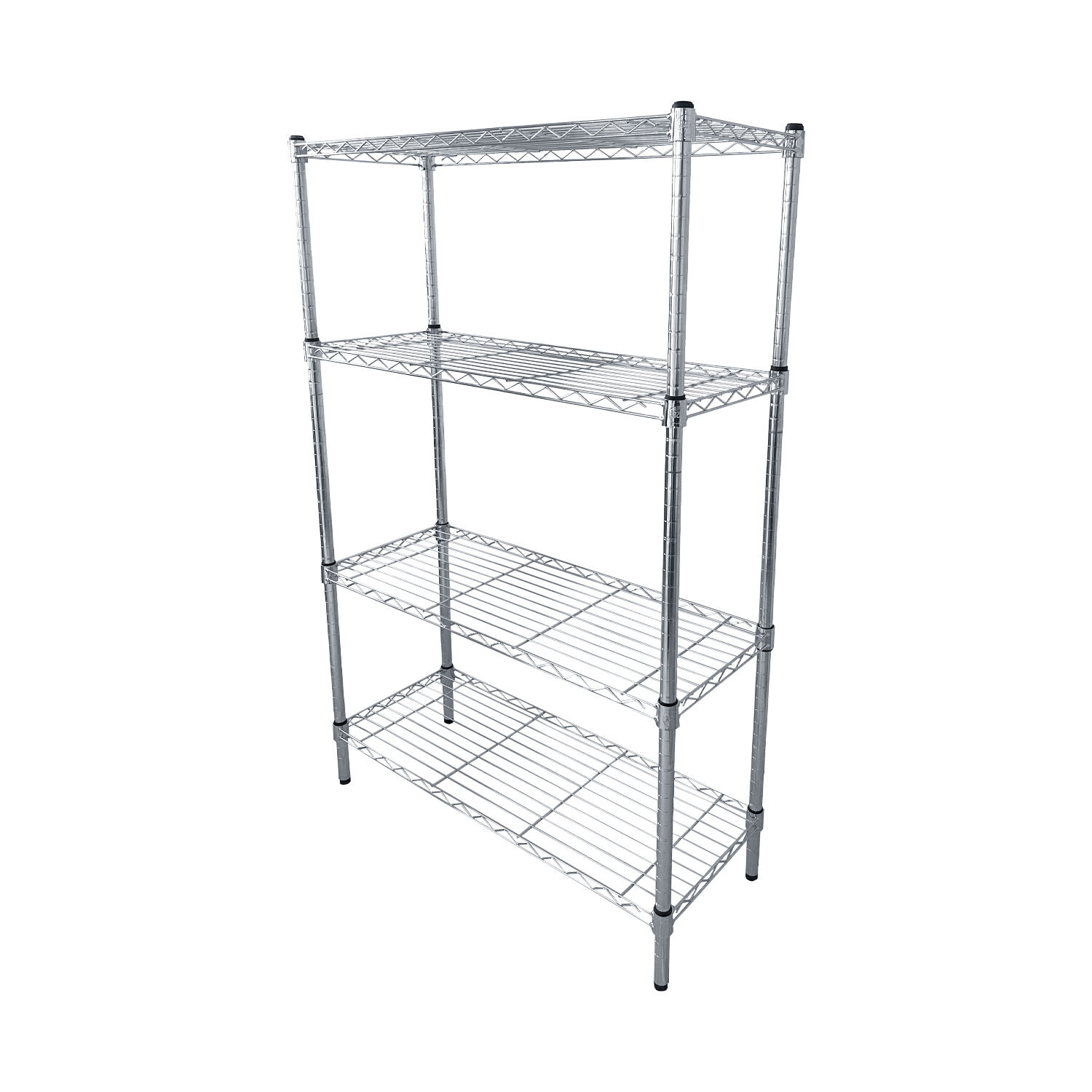
When businesses operate at scale, every touchpoint with the end user becomes a branding opportunity. OEM storage baskets represent one of the most underutilized yet highly effective channels for embedding brand identity into everyday functional products. Whether used in retail chains, hotel chains, healthcare facilities, or large residential developments, these custom-manufactured baskets carry a brand's visual language directly into the spaces where people live and work. Understanding how to leverage this opportunity systematically is the key to turning a simple storage solution into a powerful branding instrument.
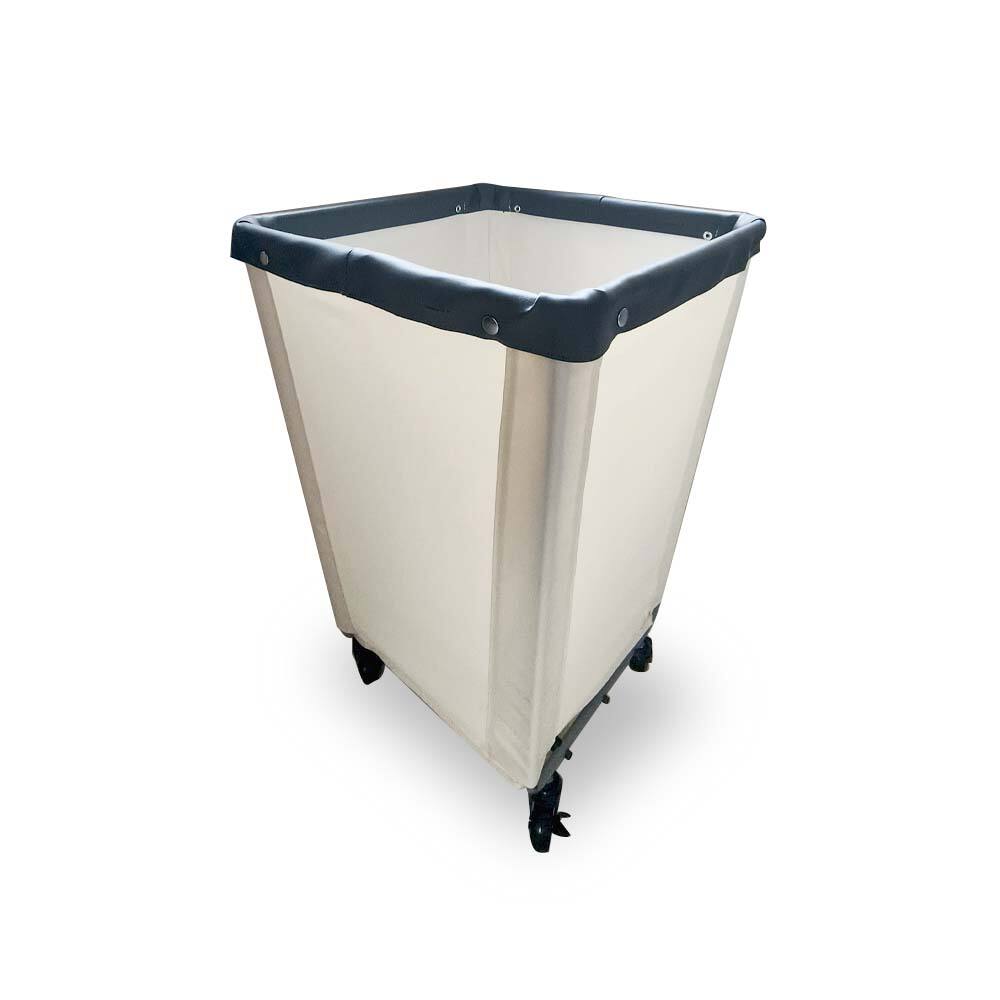
Large-scale branding initiatives require consistency, volume, and adaptability—three pillars that OEM storage baskets are specifically designed to address. The OEM model allows businesses to collaborate directly with manufacturers to produce customized products that align with precise brand guidelines, including color palettes, logo placement, material choices, and structural design. This article explores the mechanism behind OEM storage baskets as a branding tool, the practical workflows involved, and the key considerations that make this approach viable at scale.
OEM stands for Original Equipment Manufacturer, and in the context of storage baskets, it refers to a production arrangement where a manufacturer produces goods based on specifications provided by the client brand. The client retains full control over design, branding elements, and functionality requirements, while the manufacturer handles material sourcing, tooling, and production execution. This model is fundamentally different from buying off-the-shelf products because every unit produced carries the identity of the commissioning brand.
For large-scale operations, the OEM route eliminates the compromises associated with generic product procurement. Instead of adapting marketing materials to fit an existing product's aesthetic, businesses can reverse that process—designing the product to fit their brand architecture. OEM storage baskets produced under this model become brand assets, not just utility items. The distinction is significant when managing hundreds of retail outlets, hospitality rooms, or institutional facilities simultaneously.
Manufacturers offering OEM services typically have flexible tooling capabilities that allow for variations in size, shape, color, and surface treatment. This flexibility is critical for brands that serve multiple market segments or operate across different regional environments. A single OEM partner can produce OEM storage baskets in multiple configurations while maintaining consistent brand elements, ensuring that visual cohesion is preserved regardless of the product variant.
The relationship between a brand and its OEM manufacturer is collaborative rather than transactional. It begins with a detailed brief that outlines brand standards, functional requirements, target end-users, and distribution conditions. From this brief, the manufacturer develops prototypes and samples that go through rounds of approval before full production commences. This iterative process ensures that the final OEM storage baskets meet both aesthetic and structural expectations.
For large-scale branding projects, it is essential that the manufacturer has robust quality control systems in place. Consistency across thousands of units is non-negotiable when the product will be displayed in public-facing environments where inconsistencies would undermine the brand image. Manufacturers experienced in high-volume OEM contracts typically employ batch testing protocols and maintain detailed production records to ensure that every unit delivered meets the agreed specification.
Communication protocols also matter significantly in large-scale OEM production. Brands should establish clear escalation paths for quality deviations, design updates, and production timeline changes. The more structured the communication framework, the more efficiently the OEM storage baskets can be updated or refreshed as branding needs evolve over time. A strong OEM relationship becomes a strategic asset in its own right.
One of the most direct ways OEM storage baskets support large-scale branding is through precise color and material customization. Brand guidelines typically specify exact color codes, and modern manufacturing processes—whether injection molding for plastics, woven patterns for fabric-based designs, or powder coating for metal constructions—can replicate those colors with high fidelity. This means that when a basket sits in a hotel bathroom, a retail display area, or a branded residential development, it immediately communicates the correct visual tone without any additional labeling.
Material selection also plays a critical role in brand communication. A luxury hospitality brand may specify natural fiber weaves or premium-finish plastics that convey softness and sophistication. A healthcare brand may require antimicrobial-treated surfaces in clinical white to communicate hygiene and professionalism. An eco-focused retailer may commission OEM storage baskets made from recycled or biodegradable materials to reinforce its sustainability positioning. Each of these material decisions is a brand decision, and the OEM model makes them fully executable.
Beyond color and material, surface textures, finishes, and structural proportions can all be calibrated. Matte versus gloss finishes, smooth versus textured surfaces, and proportional dimensions that reflect design system principles are all parameters that OEM manufacturers can control. When these elements are aligned across a full range of OEM storage baskets, the cumulative effect on brand perception is substantial.
Logo integration is perhaps the most explicit form of brand application on OEM storage baskets. Several techniques are available depending on the material and the desired visual outcome. For rigid plastic baskets, embossing or debossing the logo into the mold itself is the most durable option, as it becomes a physical part of the product rather than an applied element that could fade or peel. This approach is particularly suited to large volumes because the tooling investment is amortized across the production run.
Screen printing and pad printing are suitable for applying logos and wordmarks on smooth, flat surfaces, offering good color accuracy and fine detail reproduction. For fabric-based OEM storage baskets, woven labels, embroidered logos, or jacquard patterns can be used to integrate brand identity into the textile itself. Each technique has different cost and durability profiles, and the choice should align with the product's expected lifecycle and the brand's quality standards.
Beyond the logo itself, additional brand elements such as taglines, care instructions formatted in brand typography, and subtle pattern elements derived from brand assets can be incorporated into the design. This layered approach to logo and brand element placement transforms OEM storage baskets into comprehensive brand communication vehicles rather than single-message containers.
Large-scale branding programs involving OEM storage baskets require meticulous volume planning. Businesses need to forecast demand across all deployment locations and consolidate those requirements into production orders that optimize unit costs. Larger order quantities typically unlock lower per-unit manufacturing costs, improved priority scheduling at the factory, and stronger leverage in negotiating customization parameters. Understanding the relationship between order volume and cost structure is therefore a prerequisite for effective large-scale deployment.
Production scheduling must also account for lead times associated with tooling, sample approval, and shipping. For multinational brands or businesses deploying across geographically dispersed locations, lead times need to be built into the project timeline well in advance. A phased delivery approach can help manage warehouse capacity and coordinate with construction or fit-out schedules when the baskets are being deployed as part of a broader facility rollout.
Businesses should also plan for reorder cycles. OEM storage baskets in high-use environments such as hotels or laundry facilities will experience wear over time and need replacement. Establishing a standing reorder arrangement with the manufacturer ensures that replacement stock is always available in the correct specification, preventing brand inconsistency when worn or damaged units need to be swapped out.
For OEM storage baskets to arrive at their destination in pristine condition, packaging design must be part of the OEM specification. Custom packaging that protects the product during transit while also serving as a secondary brand touchpoint is achievable through the same OEM framework. Printed boxes, branded tissue wrap, or custom poly bags all contribute to the unboxing experience for operators or end-users, reinforcing the brand's attention to detail.
Logistics planning for large-scale distribution requires coordination between the manufacturer, freight partners, and the receiving locations. Palletizing configurations, customs documentation for cross-border shipments, and last-mile delivery arrangements to individual store or hotel locations all need to be planned and communicated clearly. Any breakdown in this chain can result in damaged products that compromise the brand experience before the baskets are even placed in use.
For companies managing distributed retail or hospitality networks, a centralized distribution model can simplify logistics significantly. Rather than shipping directly from the manufacturer to hundreds of individual locations, product can be consolidated at a regional distribution center and dispatched in smaller batches as needed. This model also provides better control over stock rotation and the introduction of updated designs when brand refreshes occur.
The hospitality industry is one of the most natural adopters of large-scale OEM storage basket branding. Hotels require consistent room furnishings across every property in their network, and a OEM storage baskets program ensures that every guest room, bathroom, and common area reflects the same brand standards regardless of location. The basket sitting in a guest room to collect laundry or store amenities is not a neutral object—it is a branded element that contributes to the perception of quality and consistency.
Hotel chains can deploy OEM storage baskets across a tiered product range—premium materials for suites, standard materials for standard rooms—while maintaining consistent brand elements across all tiers. This allows brand identity to be sustained without incurring uniform costs across all room categories. The result is a brand experience that feels considered and hierarchical rather than generic.
Seasonal refreshes and special edition designs are also feasible within the OEM framework. A hotel brand celebrating an anniversary or launching a new property concept can commission limited-run OEM storage baskets that reflect the specific occasion while remaining consistent with core brand architecture. This kind of product-level storytelling is a powerful and often overlooked form of brand communication.
Retail chains use OEM storage baskets to create cohesive in-store environments that communicate brand values through every element of the physical space. A premium grocery brand, for example, might deploy custom-branded baskets in the produce section, the deli counter, and the home goods aisle, creating a visual consistency that reinforces the brand's attention to quality and aesthetics. In this context, OEM storage baskets become part of the store's visual merchandising system.
Healthcare and institutional settings prioritize function and compliance, but branding remains relevant. Clinics, hospitals, and care homes that deploy OEM storage baskets in patient rooms and common areas benefit from the trust signal that branded, professionally specified products communicate. The perception that every detail has been considered—down to the basket on the shelf—reinforces confidence in the organization's overall standards.
Institutional buyers such as universities, corporate campuses, and government facilities also procure OEM storage baskets at significant volumes. For these buyers, branding through product design supports wayfinding, departmental identity, and institutional pride. Custom colors that correspond to faculty or departmental palettes, for instance, can make branded storage baskets functional tools for organizational communication as well as practical storage solutions.
Minimum order quantities for OEM storage baskets vary by manufacturer and by the complexity of customization required. For straightforward color and logo customization, many manufacturers can accommodate orders starting at a few hundred units. For products requiring custom molds or structural modifications, minimum orders are typically higher to justify the tooling investment. Businesses should discuss volume projections openly with their OEM partner to find a production arrangement that aligns with both commercial and logistical needs.
The lead time for OEM storage baskets depends on the scope of customization and the manufacturing process involved. For products requiring new molds, initial tooling can take four to eight weeks before sample production begins. Sample approval rounds add further time, and full production runs for large volumes can take an additional four to ten weeks depending on factory capacity. Businesses should plan for a total lead time of three to six months from initial brief to delivery for complex, large-scale OEM storage basket programs.
Yes, OEM storage baskets can be updated between production runs. Minor modifications such as color adjustments or updated logo files typically require new sample approvals but do not require retooling. Structural or dimensional changes may require mold modifications, which carry an additional cost and time investment. Brands planning for periodic refreshes should discuss update procedures with their manufacturer at the outset to understand the associated costs and timelines, ensuring that brand evolution is commercially manageable.
Quality control for large-scale OEM storage basket production typically involves pre-production sample approval, in-process inspections at defined production milestones, and final batch inspections before shipment. Brands can also engage third-party inspection agencies to conduct independent quality audits at the factory. Clear acceptance criteria should be documented in the OEM contract, covering dimensional tolerances, color consistency, surface quality, and structural integrity, so that both parties have an agreed benchmark against which all production output is evaluated.
 Hot News
Copyright © 2026 Top Trust Biotechnology Co., Ltd All Rights Reserved Privacy policy
 EN
EN
 AR
AR
 FR
FR
 PT
PT
 ES
ES
 VI
VI
 BG
BG
 HR
HR
 CS
CS
 DA
DA
 NL
NL
 FI
FI
 DE
DE
 EL
EL
 HI
HI
 IT
IT
 JA
JA
 KO
KO
 NO
NO
 PL
PL
 RO
RO
 RU
RU
 SV
SV
 TL
TL
 IW
IW
 SK
SK
 SL
SL
 ET
ET
 HU
HU
 TH
TH
 TR
TR
 MS
MS
 IS
IS
 KA
KA
 BN
BN
 LA
LA
 MN
MN
 NE
NE
 UZ
UZ